Environment

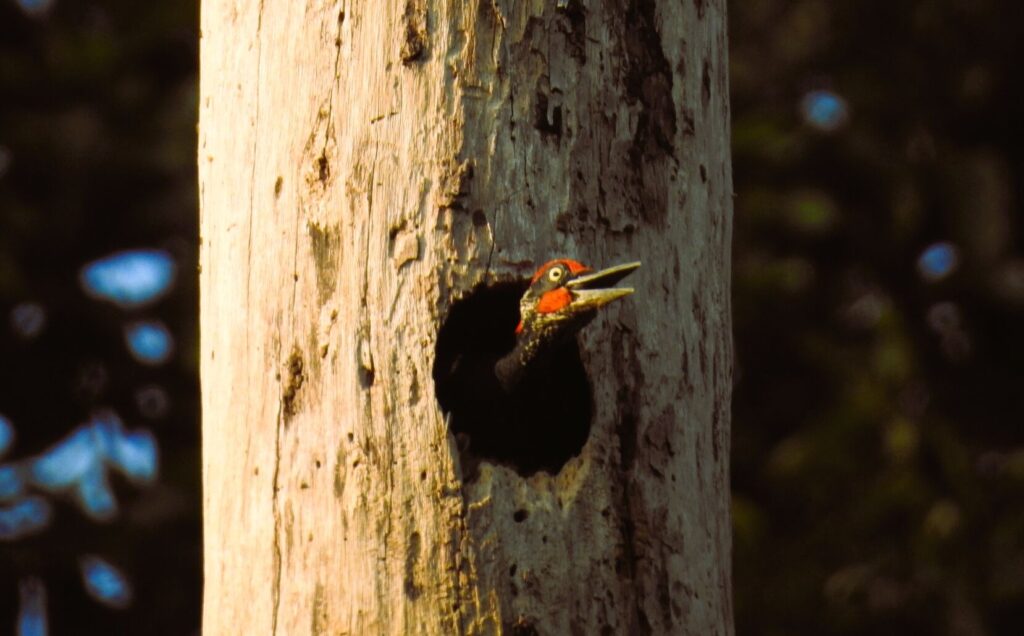
Conserving native trees crucial for cavity-nesting birds

Many birds rely on tree cavities, or tree holes, for nesting and raising their young. Woodpeckers, known as primary excavators, can create their own cavities. In contrast, non-excavators—also called secondary cavity nesters—depend on naturally occurring or previously excavated cavities for reproduction. These birds face challenges such as a scarcity of suitable cavities, which can limit […]

Conserving native trees crucial for cavity-nesting birds Read More »

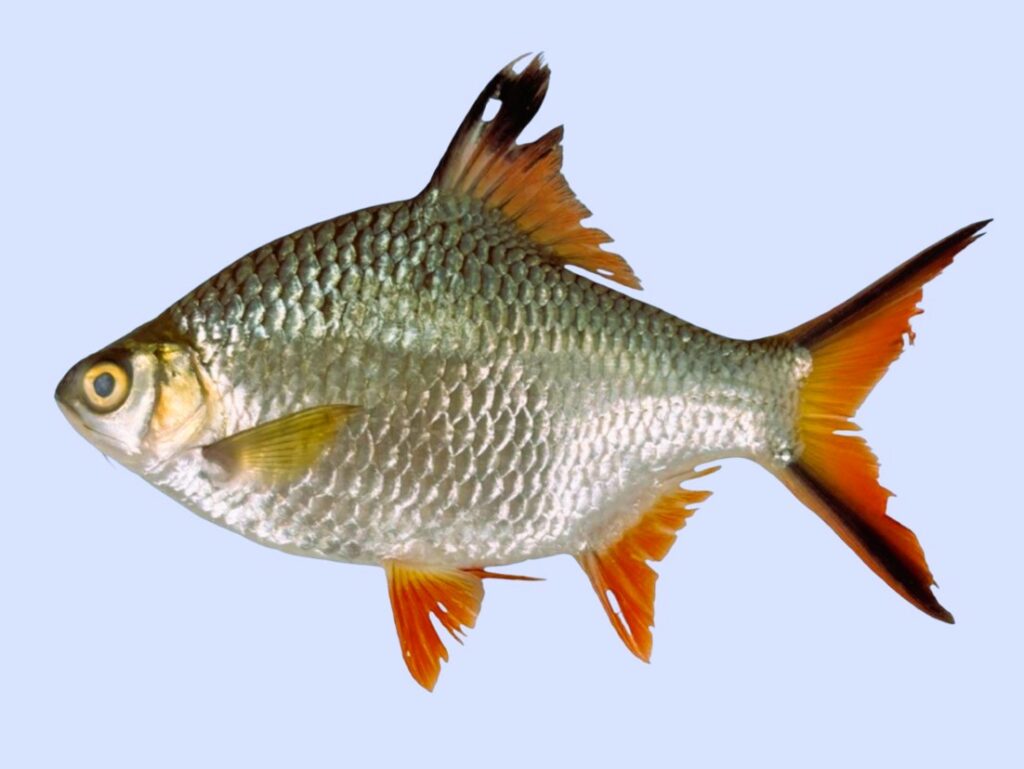
Biologists warn against new alien fish in Laguna de Bay

A striking, silver-colored fish commonly kept as an aquarium pet has been hiding in plain sight in the Philippines’ largest freshwater lake, renewing concerns over the unmonitored and unmitigated release of alien species into the country’s already strained ecosystems. Ateneo de Manila University researchers recently undertook a careful morphological analysis of a fish caught in

Biologists warn against new alien fish in Laguna de Bay Read More »

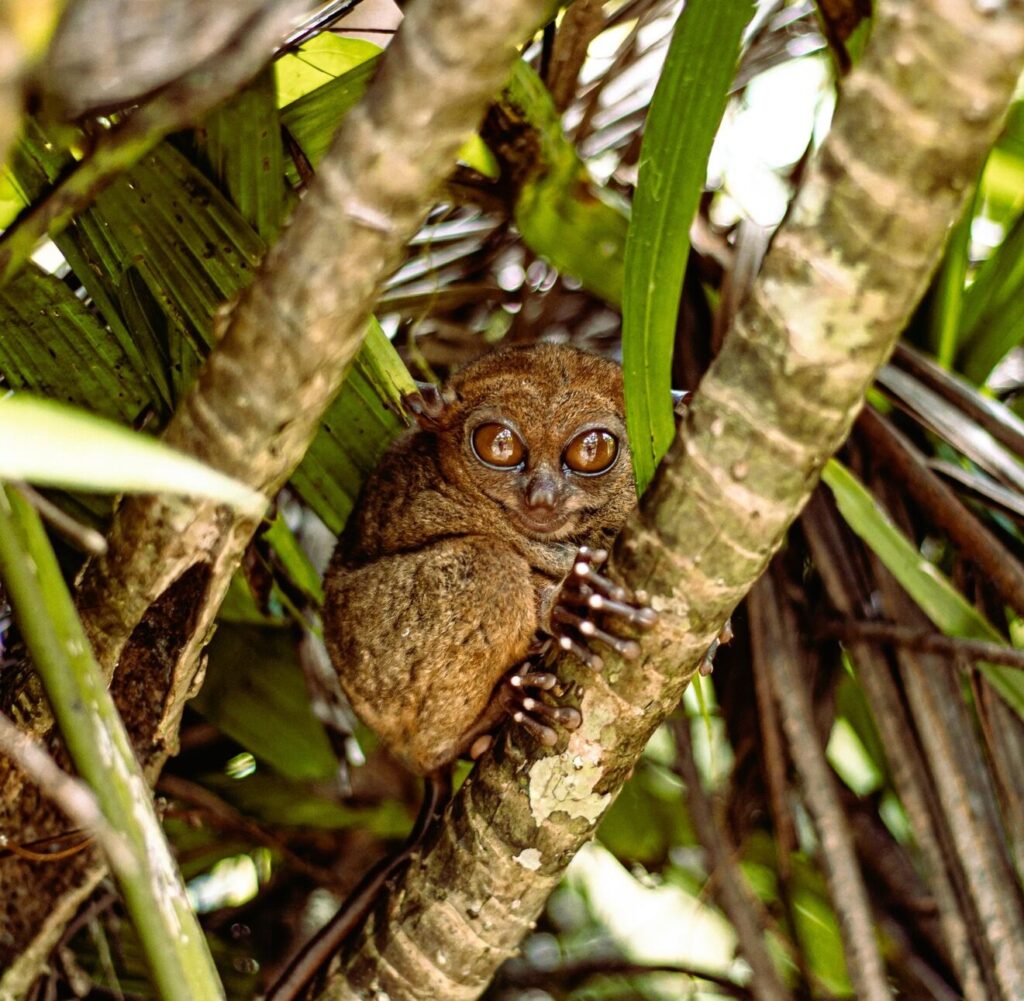
Study finds social media vital for PH tarsier conservation

The world of social media has become an increasingly important source of data for biodiversity and conservation, especially for rare or little-known species such as the Philippine tarsier. However, despite the tarsier’s popularity, there is still limited information about where it lives and how it behaves in the wild. Maria Sabrina Tabeta and Simeon Gabriel

Study finds social media vital for PH tarsier conservation Read More »

Typhoons that don’t make landfall may be more destructive

Tropical cyclones hundreds of kilometers away from the Philippines are often more responsible for heavy rainfall than those that hit the country directly during the annual “Habagat” or southwest monsoon season from July to September, according to new research. The findings undermine the widely-held public misconception that only tropical cyclones that directly hit the country

Typhoons that don’t make landfall may be more destructive Read More »

Scientists explore Mabini’s marine microbial genomes

Submarine groundwater discharge (SGD) is a process in which groundwater from land seeps into the ocean, transporting freshwater, nutrients, metals, and even pollutants into marine ecosystems. The diverse microbial communities in these SGD sites make them hotspots for biological and chemical activity, playing a crucial role in maintaining ecosystem balance. Studying these microorganisms helps scientists

Scientists explore Mabini’s marine microbial genomes Read More »

Benham Bank seen as among PH’s richest deep coral ecosystems

Near the eastern coast of Luzon, Philippines, located 50 meters below the sea surface, is Benham Bank, an underwater seamount taller than Mt. Apo. Benham Bank contains one of the richest mesophotic (or deep) coral ecosystems in the Philippines. One would not expect biodiversity to thrive here, considering the eastern coast of the Philippines is

Benham Bank seen as among PH’s richest deep coral ecosystems Read More »