
TessDrive gives you the latest developments in clean, energy-efficient, and sustainable transportation solutions, helping you stay informed on the technologies and green initiatives shaping the future of mobility here and across the globe.
Ford Territory Hybrid leads local sales charts
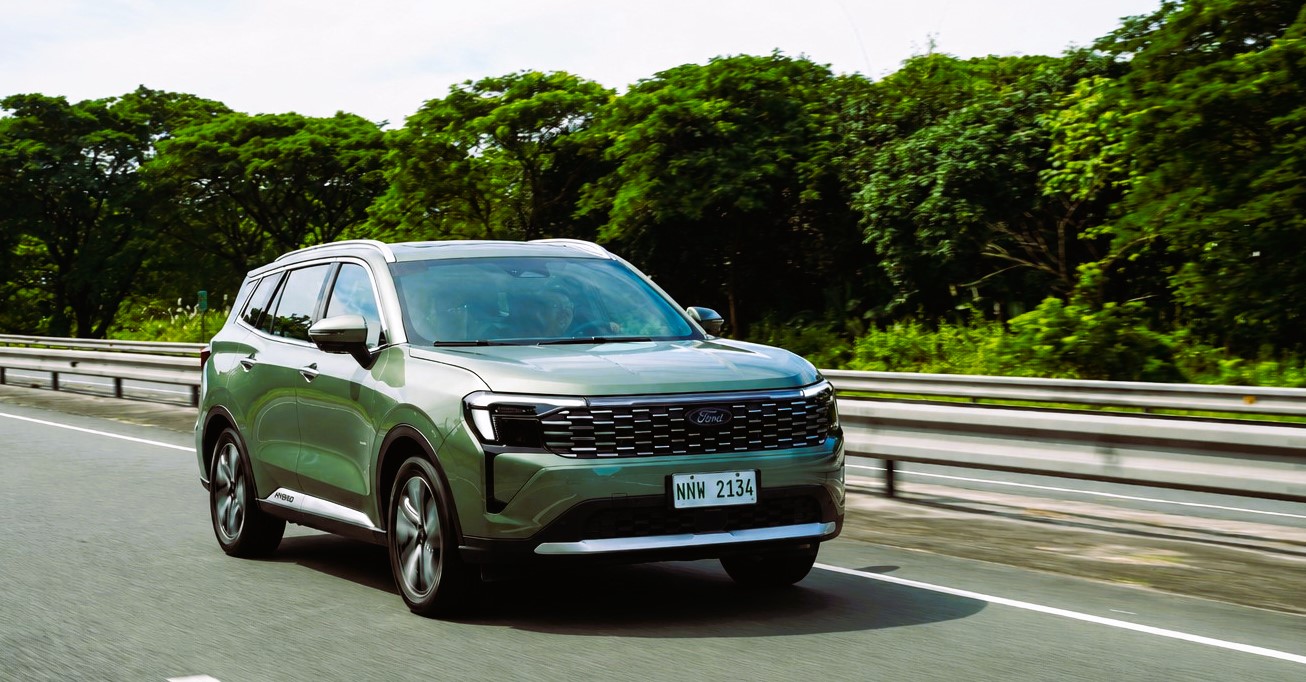
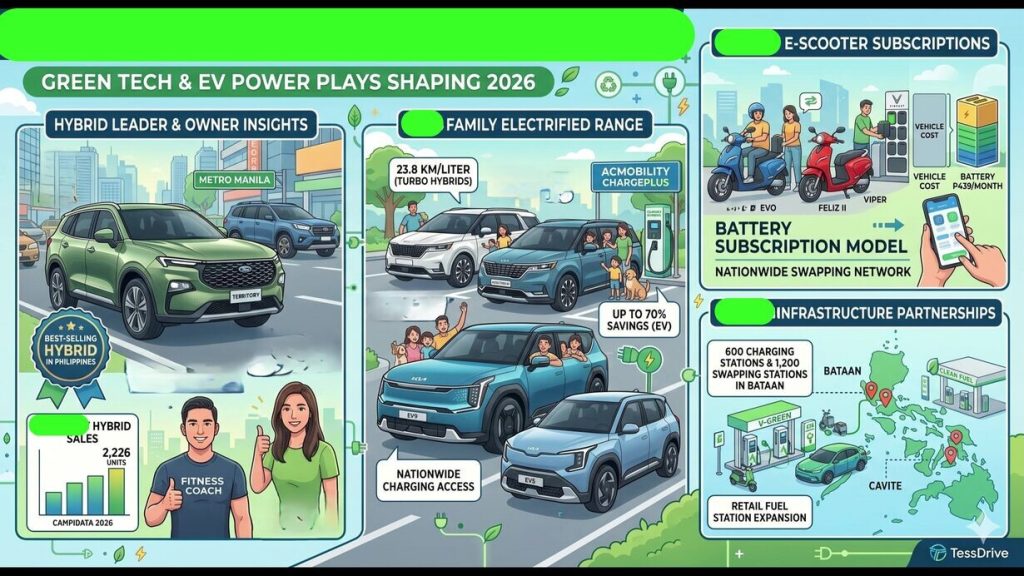
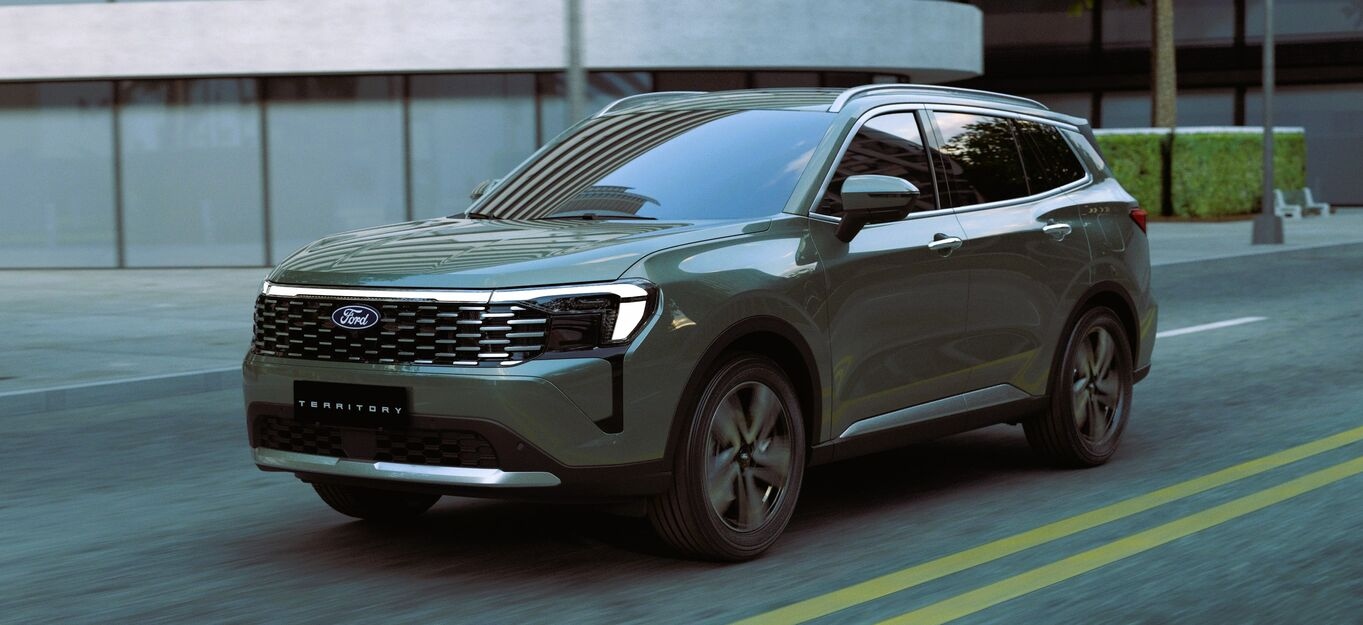
The Ford Territory Hybrid has emerged as the best-selling small utility hybrid vehicle in the Philippines, according to data from the Chamber of Automotive Manufacturers of the Philippines Inc (Campi) covering sales from January to May 2026. The SUV achieved a total of 2,226 unit sales during the first 5 months of the year, outperforming its closest competitor by over 500 units.
Since its local introduction in August 2025, the nameplate has seen steady demand, crossing the 1,000-unit milestone within its first three months and ending its launch year with 1,645 units sold.
Ford Philippines managing director Pedro Simoes said: “The remarkable sales performance of the Ford Territory Hybrid is a clear testament to how deeply this nameplate resonates with Filipino customers who are ready to embrace electrified mobility. To see the Territory Hybrid emerge as the best-selling small utility hybrid vehicle in the market in such a short period of time is both incredibly rewarding and a powerful validation of our electrification strategy. We thank our dealers for their strong partnership and our customers for their incredible support.”
The full hybrid SUV pairs a 1.5-liter turbocharged engine with a 2-speed dedicated hybrid transmission and a 1.83kW lithium-ion battery. The system generates 150PS of engine power and 230Nm of engine torque, alongside 218PS of electric power and 315Nm of electric torque. This combination delivers a fuel economy of 19.6 km/liter and a total range of up to 1,000 kms per tank, with a Department of Energy testing run recording a high rating of 23.71 km/liter during its 2025 Eco-Run. The vehicle features three selectable driving modes (Eco, Normal, and Sport) and automatic or manual adjustment for power steering.
Simoes added: “The Territory has long been a favorite in the Philippines, and by infusing it with our global hybrid technology, we have created a vehicle that offers the perfect balance of fuel efficiency, smart technology, and effortless performance without requiring a change in driving habits. This milestone is a direct reflection of the trust our customers place in the Ford brand, and it inspires us to continue delivering innovative, practical, and highly capable vehicles that elevate the daily drive.”
The variant is available starting at P1,399,000 for the Territory Hybrid Trend, which features promotional P40,000 cash savings or a P79,000 all-in down payment for the month of June, while the Titanium X model offers P50,000 cash savings or an P89,000 all-in down payment.
Owners share real-world efficiency, comfort insights
The rapid local acceptance of the Ford Territory Hybrid reflects its popularity among first-time electrified vehicle owners, including young professionals and starting families who look to control daily transport costs without altering their driving behavior. Early adopters Zach Peña and Cat Triviño shared their first-hand ownership experiences after transitioning away from conventional internal combustion engine (ICE) vehicles.
Zach Peña, a fitness coach and Ford Everest owner, noted:
“Transitioning to a hybrid vehicle was an interesting exercise, but one that quickly proved worthwhile. I’m a Ford Everest owner as well, and I’m used to hearing and feeling the car, but with the Territory Hybrid, the silence really stands out. The fuel efficiency is a huge win, so if you want to be smart about your daily costs, a full hybrid vehicle is a no-brainer.”

Peña highlighted the vehicle’s second-row legroom, calling it more spacious and comfortable than many SUVs in its class, and valued its ability to move groups efficiently. Environmentalist and mental health advocate Cat Triviño, who transitioned from a Ford EcoSport, focused on the vehicle’s self-charging capability and lower environmental footprint.
Triviño said: “Sustainability is one of my advocacies. The fact that I’m able to use less fuel and reduce emissions on my everyday drives without sacrificing the comfort and performance I’ve come to expect from a Ford is what made me go for the Territory Hybrid. I live in a condominium that isn’t designed for charging vehicles, and EV charging infrastructures in the Philippines are still catching up, so for now, a full hybrid vehicle gives me the best balance.”

Triviño noted that the vehicle’s standard safety features provide peace of mind across varying road conditions, spanning city drives for mental health discussions to remote community clean-up areas. Both owners also highlighted the inclusion of a full-sized physical spare tire as a distinct practical benefit over standard vehicle repair kits.
To know more about the complete roster of vehicles from Ford Philippines, visit its official website https://www.ford.com.ph/.
Kia highlights family-centric hybrid and EV offerings
Celebrating International Family Day, Kia Philippines highlighted its range of multi-passenger hybrid and full EVs designed to meet the capacity and efficiency needs of modern Filipino households. The company’s premium family carriers include both electrified internal combustion models and dedicated battery-electric SUVs.
Premium turbo hybrid performance
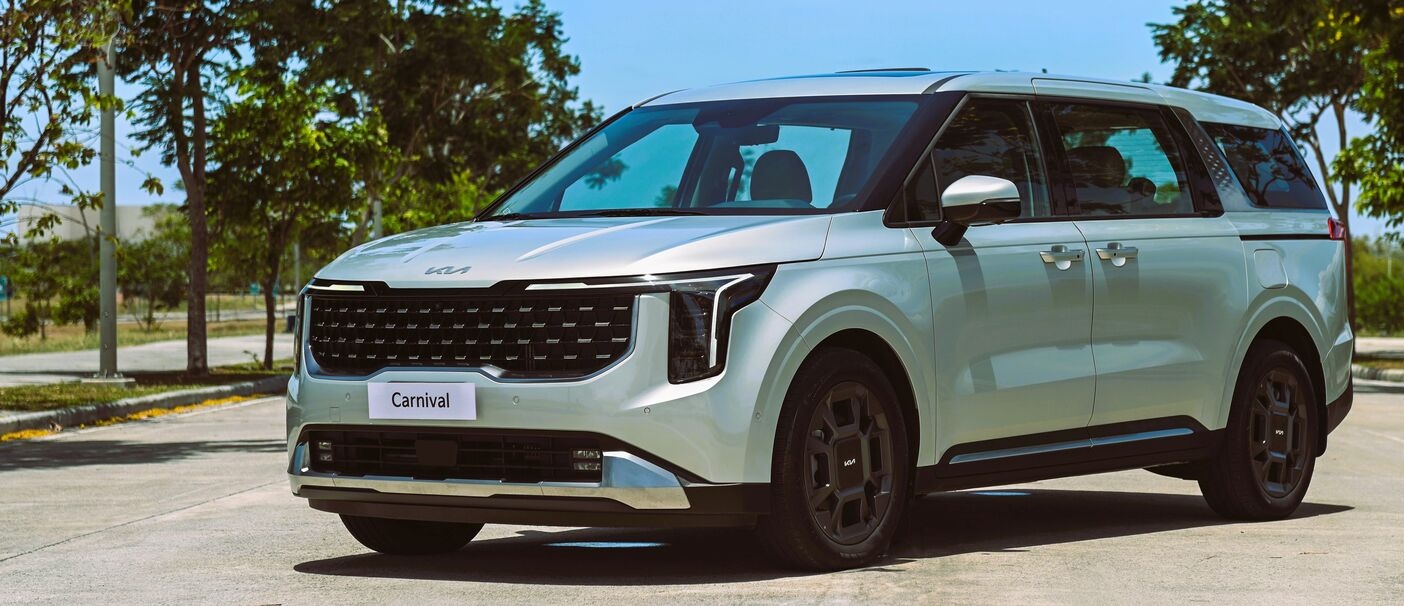
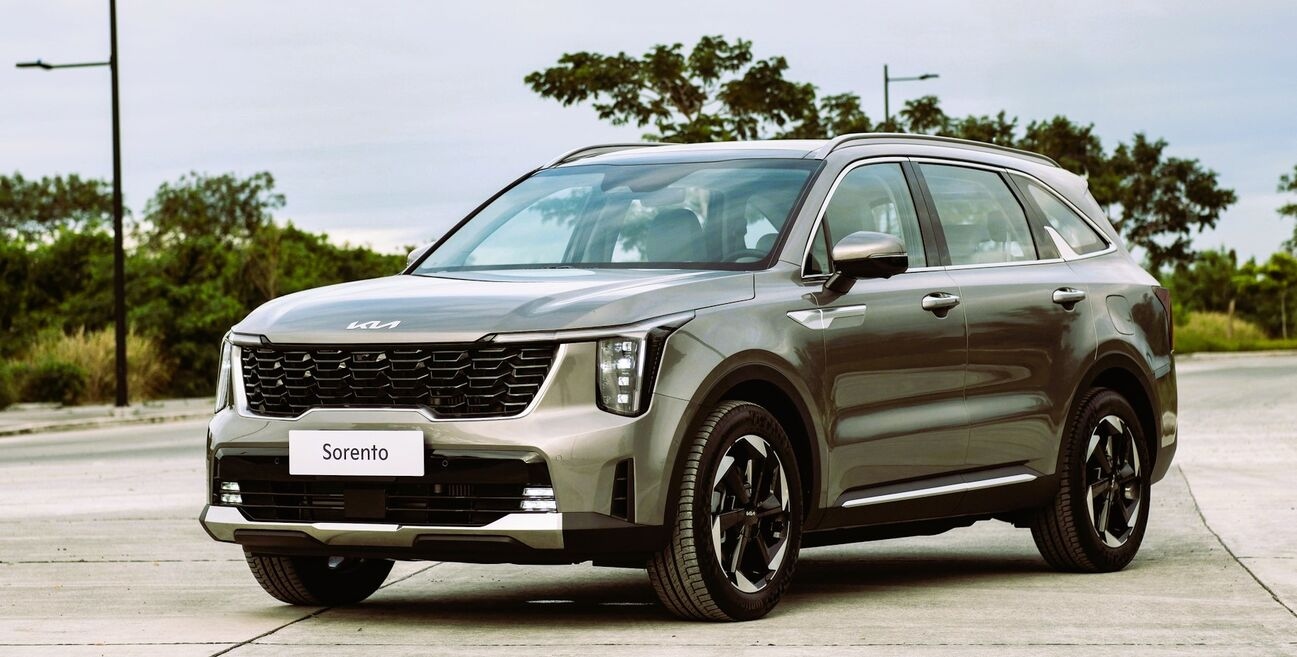
The Kia Carnival Turbo Hybrid and Kia Sorento Turbo Hybrid are tailored for high-occupancy family needs, delivering an urban fuel efficiency rating of 23.8 km/liter under official UNR101 testing standards. The 7-seater Sorento features an all-wheel-drive system engineered for weekend travel beyond city routes, while the Carnival focuses on refined interior cabin spaces for daily commutes and family trips.
All-electric mobility, infrastructure integration
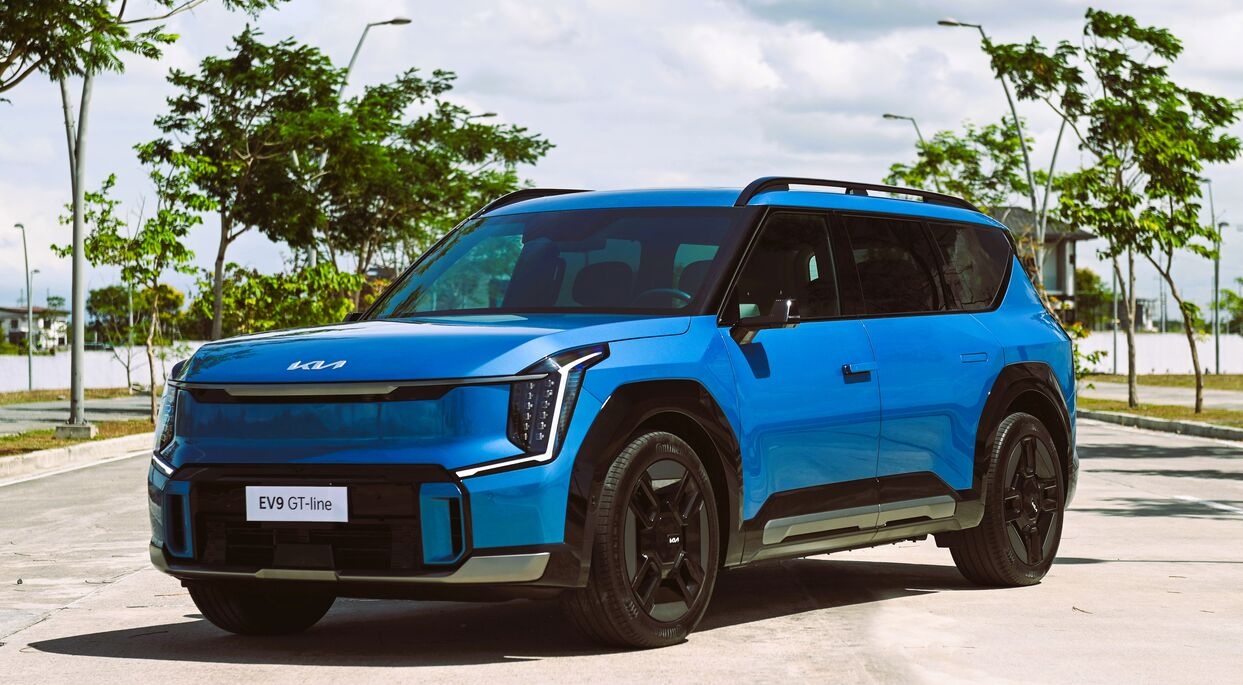
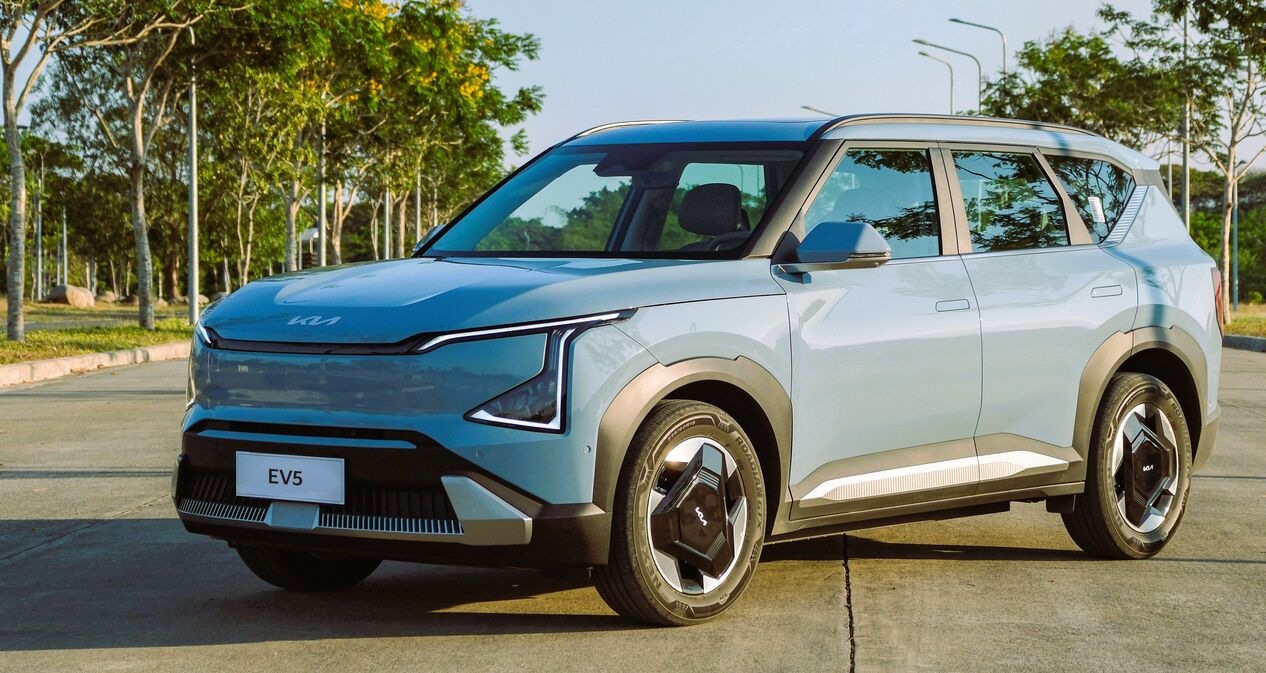
For future-focused households, the 6-seater Kia EV9—named the 2024 Car of the Year—and the compact Kia EV5 provide alternative, zero-emission transportation. Operating a dedicated Kia EV can yield up to 70% in energy cost savings compared to a conventional internal combustion vehicle. To support long-distance travel, Kia owners have access to ACMobility’s expanding national network of public EV charging stations.
Kia Philippines managing director Jay Lopez said, “Rooted in love and driven by resilience, the Filipino family is the heartbeat of the nation. At Kia, we aim to match every Filipino family’s spirit with a vehicle designed to support every milestone as they move through life. Because the greatest journeys are not measured in kilometers but in the moments that bring us closer together, and that is the Kia Movement.”
For more information about the brand’s vehicle lineup and its Kia Movement mall tour schedule, visit www.kiaphilippines.com or follow Kia Philippines on Facebook, Instagram, and YouTube.
VinFast launches 2-wheeler battery subscriptions in PH
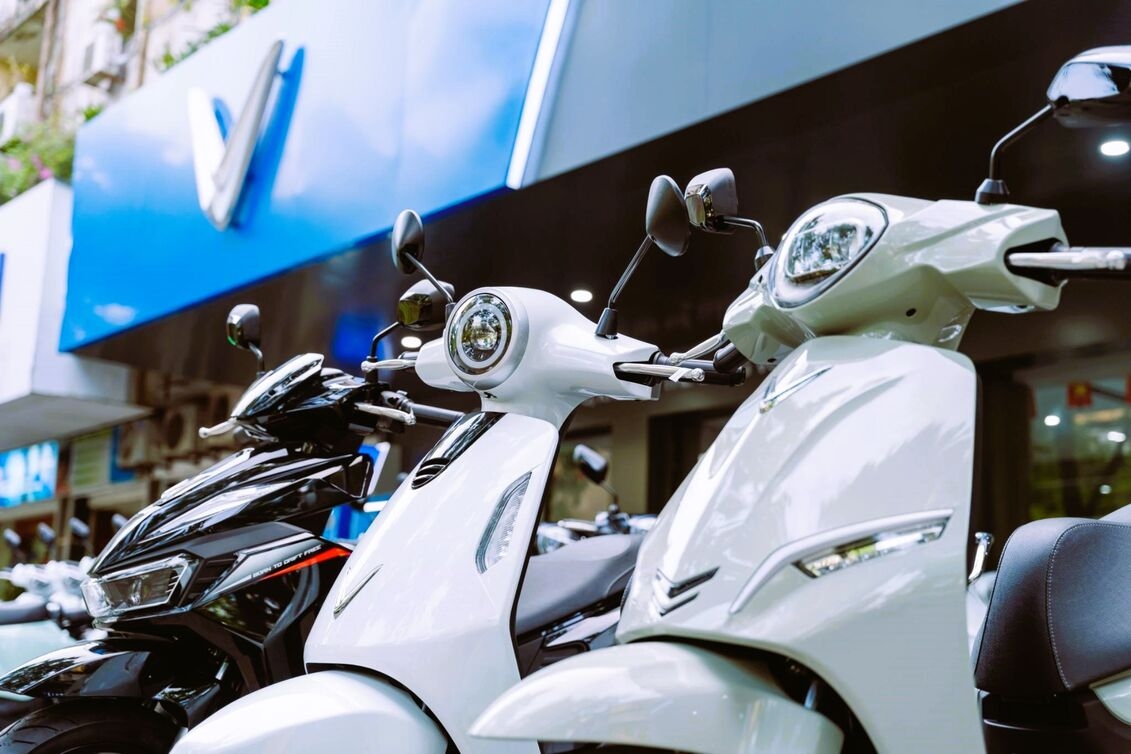
As electric mobility options expand locally, VinFast has clarified the operational structure of its flexible battery subscription and ownership programs for its new Evo, Feliz II, and Viper electric motorcycle models. The program is designed to separate the cost of the vehicle from the battery pack, providing accessible entry prices alongside home charging and automated battery swapping ecosystems.
Comprehensive operational FAQs
Q: How does the battery subscription model work?
A: Customers purchase the e-motorcycle outright at a lower initial cost and pay a regular monthly fee of P439 per battery. This gives riders full access to the nationwide battery-swapping network while retaining home charging rights. As an introductory incentive, users who enroll on or before July 31, 2026, receive a free subscription for one battery for the first 12 months and up to 20 free swaps per month.
Q: What are the terms for outright battery ownership?
A: Buyers can purchase the battery pack with the vehicle. There are no recurring monthly fees, but battery-swapping services are unavailable; charging is performed exclusively at home using standard residential power outlets.
Q: What are the home charging durations and battery specifications?
A: Using the included 400W charger, a full home charge takes approximately 3 to 4 hours for a single battery and 6 to 8 hours for two battery packs. A 1,000W fast charger is available as an option. The 1.5 kWh LFP batteries are interchangeable across the Evo, Feliz II, and Viper models and can be removed to charge separately from the chassis. Two fully-charged batteries provide a maximum driving range of up to 150 km under standard conditions.
Q: What are the local road regulations and climbing limits?
A: All three models are engineered as road-legal electric motorcycles requiring standard Land Transportation Office (LTO) registration, a valid driver’s license with appropriate restriction codes, and compliance with mandatory helmet and safety laws. Powered by 5,200W BLDC in-wheel motors, they are built to climb inclined mountain roads with two passengers, with exact performance depending on passenger weight, battery charge levels, and gradient conditions.
Q: What are the pricing structures and reservation methods?
A: Preorders can be placed via authorized dealers or at https://vinfastauto.ph/en during the early booking program running from June 10 to July 18, 2026, with a P3,000 fee. Subscribed vehicle pricing stands at P70,000 (Evo), P72,400 (Feliz II), and P81,900 (Viper). Fully bundled battery configurations range up to P95,400 (Evo), P97,800 (Feliz II), and P107,300 (Viper) for dual-battery setups, with customer deliveries starting in July 2026. Financing tiers remain available through network dealers.
Ecosystem strategy drives planned for July 2026 launch
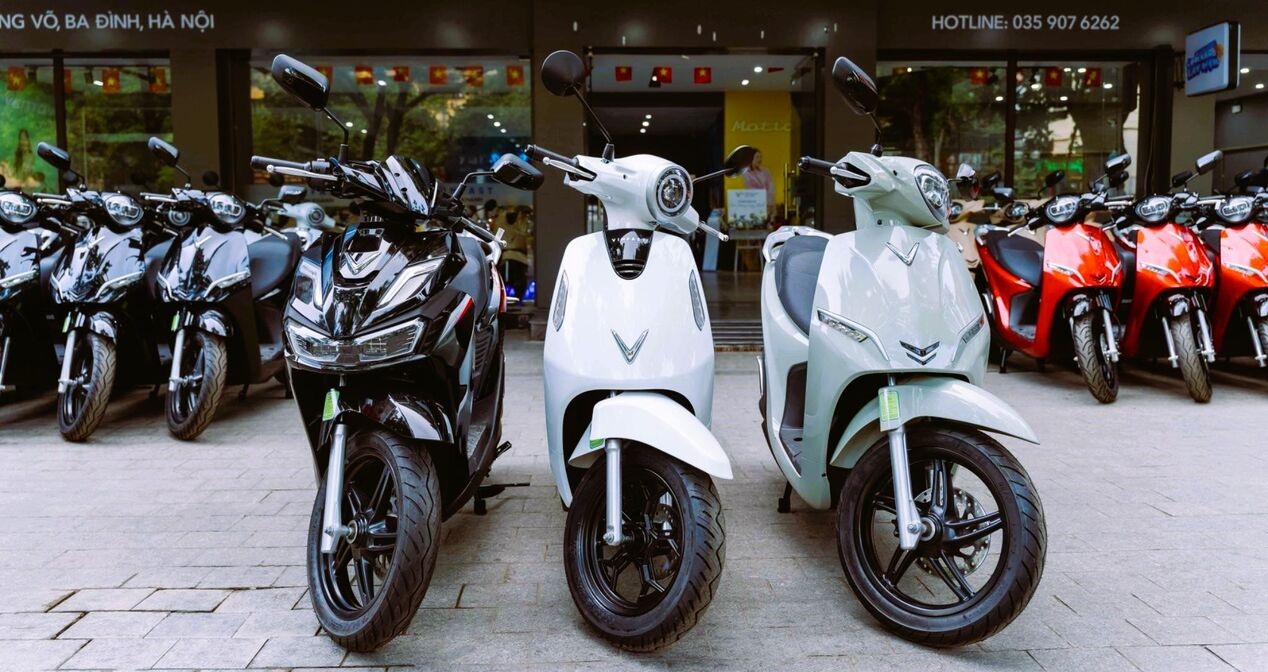
VinFast is preparing for the official local launch of its electric motorcycle lineup in July 2026, with nationwide preorders commencing in June. The company’s market strategy focuses heavily on complete ecosystem development, echoing its infrastructure rollout in Vietnam, where the brand delivered over 406,000 electric motorcycles in 2025 to become that country’s leading two-wheeler EV brand.
The incoming lineup consists of three core LFP-battery models: VinFast Evo, an entry-level commuter model reaching up to 80 kph with a maximum range of 150 km per charge; VinFast Feliz II, a comfortable lifestyle scooter supporting top speeds of 90 kph and a 145-km range on dual batteries, and; VinFast Viper, a performance-oriented model featuring sharper styling, standard Smart Key tracking, and a 5,200W output approaching 90 kph.
To ensure usability, VinFast and charging partner V-Green are targeting a long-term network of approximately 30,000 battery-swapping stations across the country, building the infrastructure in tandem with private and public stakeholders. Regional dealers have expressed strong confidence in this centralized ecosystem approach.
Jose Daniel “Jonel” Borromeo, executive of the Motor Ace Philippines group, which operates around 250 motorcycle outlets nationwide, noted during a factory visit to Vietnam:
“By building your whole ecosystem, you can control everything, which I think is a great example for any brand that wants to become a market leader. If VinFast is looking at becoming a market leader, then definitely creating its own ecosystem would be a great approach, similar to what Steve Jobs did with Apple.”
In preparation for the launch, VinFast formalized distribution agreements with 14 major motorcycle networks across the Philippines, including Wheeltek, Transcycle, Superbikes Corp, and Motorpro by Abenson Ventures, to anchor its retail and aftersales expansion.
V-Green partners with Clean Fuel and Bataan government

Global charging company V-Green signed dual Memoranda of Understanding (MOUs) with the provincial government of Bataan and Clean Fuel to build extensive electric car charging and 2-wheeler battery swapping stations across Bataan and Cavite. Founded by VinFast creator Pham Nhat Vuong, V-Green’s localized infrastructure expansion is timed to support both current electric passenger cars and incoming VinFast electric scooters.
Province-wide integration in Bataan
The collaboration with the government of Bataan establishes a model network spanning one city and 11 municipalities. V-Green will supply, install, operate, and maintain a targeted network of 600 charging stations and 1,200 battery-swapping stations across the province, while local government units will fast-track administrative permits and endorse strategic public locations.
Bataan Governor Jose Enrique S. Garcia III said, “This collaboration reflects our commitment to advancing sustainable mobility in our province. By working with V-Green, we are building the foundation for an EV ecosystem that promotes innovation, strengthens environmental responsibility, and prioritizes long-term development.”
Retail network fuel station expansion
In parallel, V-Green partnered with Clean Fuel, a prominent independent fuel provider with over 100 stations across Luzon, to map out charging points at high-traffic fuel stations in Dasmariñas, Cavite. The integration utilizes Clean Fuel’s retail footprint to place high-capacity EV charging infrastructure at familiar roadside transit stops.
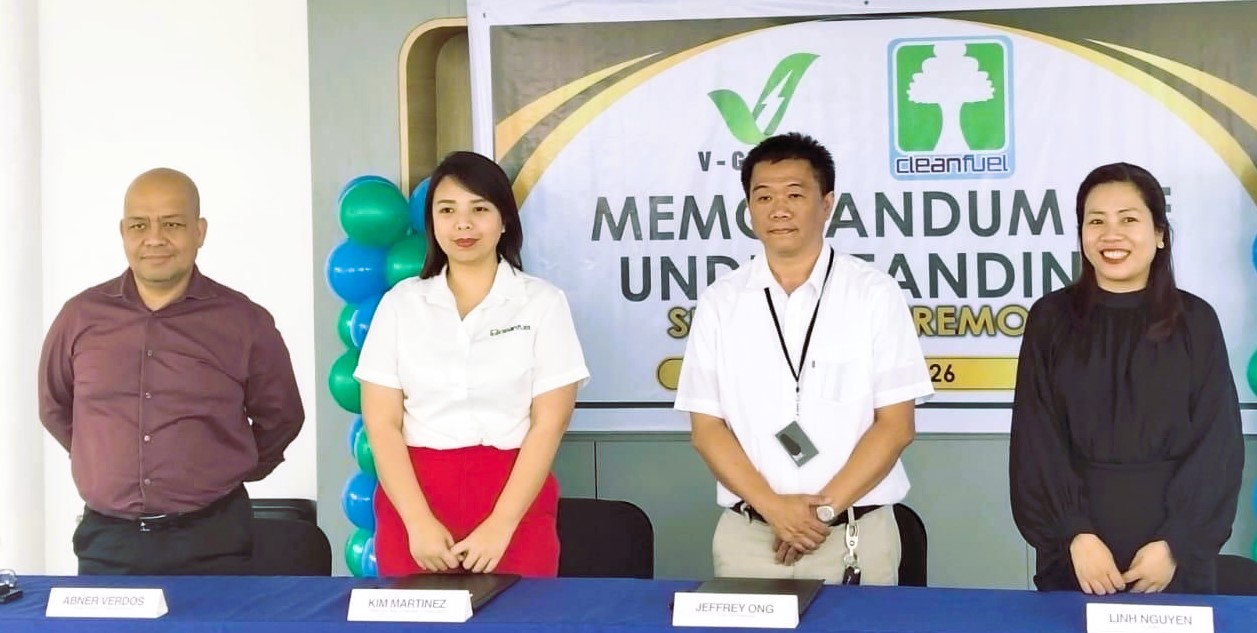
V-Green global CEO Nguyen Anh Quynh said, “Expanding EV infrastructure requires both scale and accessibility. Through our partnerships with government and private sector stakeholders, we are building a charging network that supports real-world usage and makes electric mobility more practical for Filipino drivers.”
VinFast VF6 showcases real-world range, practicality
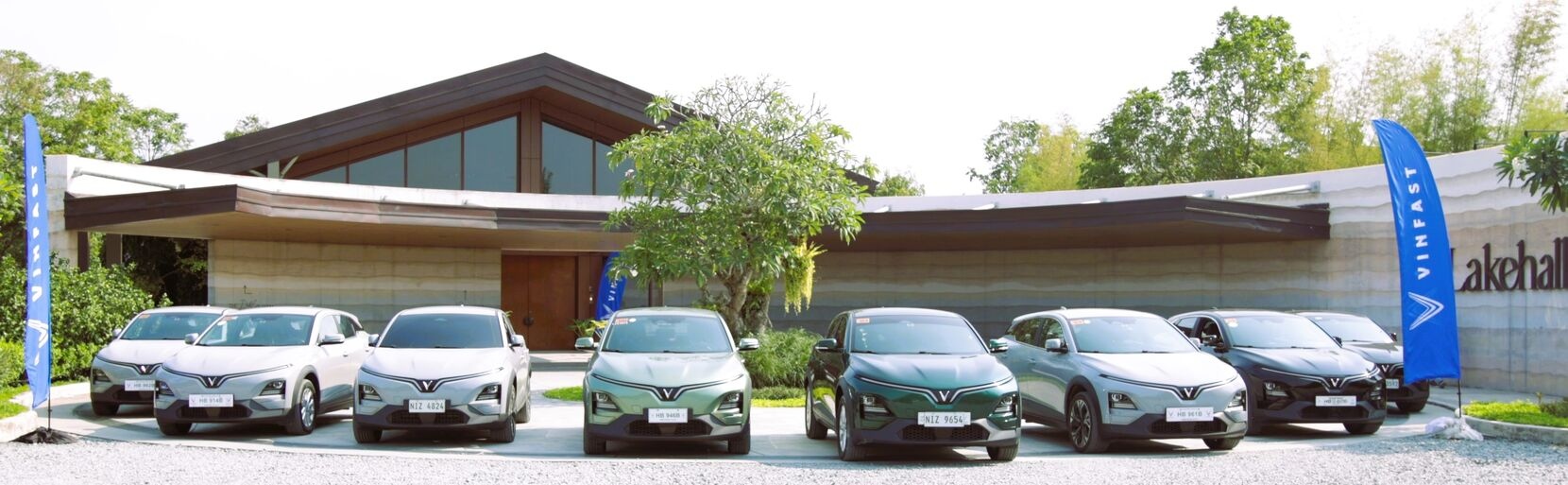
VinFast Philippines organized a comprehensive two-day media and key opinion leader (KOL) test drive on April 16 and 17, putting the VinFast VF6 electric SUV through real-world expressway and urban traffic conditions. Spanning a route from VinFast Caloocan to Lakehall at Nena’s Sanctuary in Laguna, close to 60 participants evaluated the vehicle’s driving range, safety features, and energy efficiency.
Adaptive assistance systems, performance
Drivers engaged the VF6’s advanced driver assistance systems (ADAS) across different segments. On the open lanes of the Skyway, drivers utilized adaptive cruise control, lane-keep assist, and highway assist to minimize driver fatigue. Transitioning into congested sections of SLEX, the vehicle’s traffic jam assist, blind-spot detection, and responsive automatic emergency braking systems managed heavy stop-and-go conditions. The 210-horsepower electric motor provided linear acceleration and stability during passing maneuvers.
Documented charging efficiency, lower operating costs
An internal, unofficial test run with three to four passengers per vehicle mapped the 70 to 80-km drive to Laguna. Test units started with an average battery capacity of 69% and concluded the high-traffic run with approximately 57% charge remaining, demonstrating a manageable rate of energy consumption despite active air conditioning, shifting performance modes, and varied driving styles.
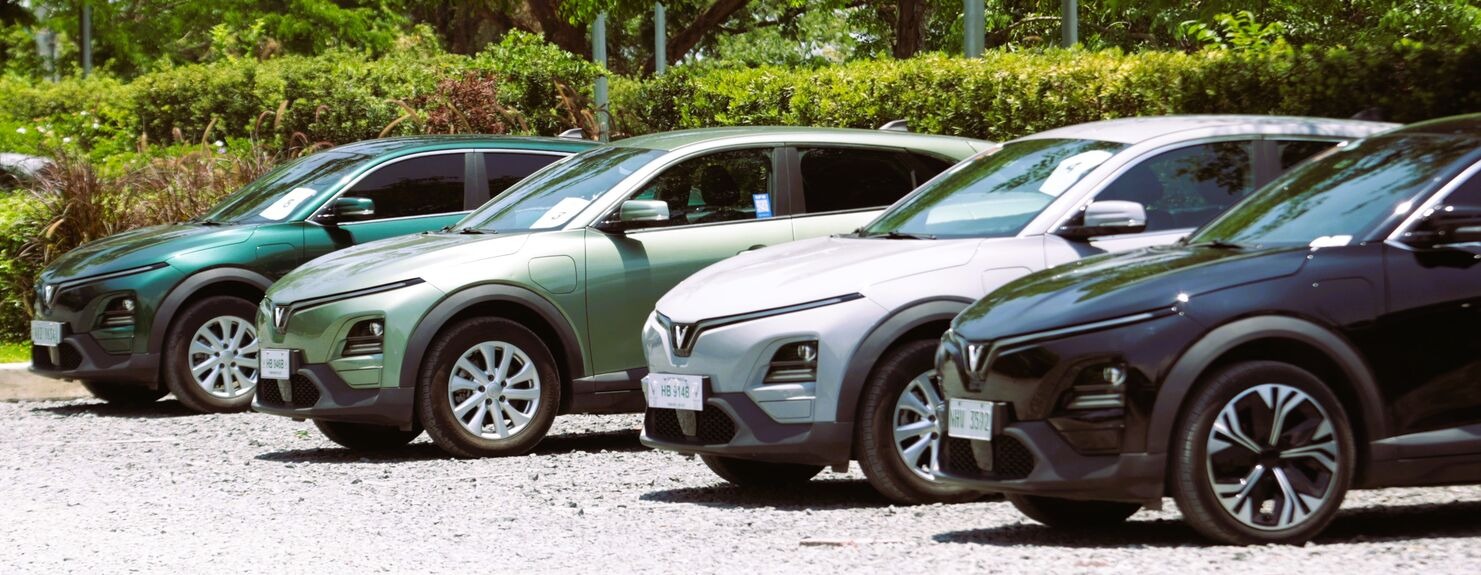
On the ownership side, the VF6 delivers an NEDC-rated range of up to 480 kms per charge and can replenish from 10% to 70% capacity in approximately 25 minutes. VinFast estimates full-charge costs under P900, bringing real-world operating expenses down to roughly P1.95 per km. The model includes a 12.9-inch infotainment monitor with wireless smartphone integration, a 7-year or 160,000-km vehicle warranty, and a 90% Residual Value Guarantee structural buyback program.
Battery subscriptions shield commuters from fuel hikes
Rising domestic fuel prices in the Philippines are encouraging daily commuters to explore EVs as a predictable way to manage fixed monthly expenses. For long-distance public transport commuters like Joshua—an IT professional whose multi-leg daily journey into Metro Manila takes up to 6 hours and consumes P10,000 of his P23,000 monthly salary—escalating transport fares and reduced public fleets have driven lifestyle compromises. While owning a car was previously dismissed due to high fuel costs and upfront expenses, alternative vehicle cost structures are shifting the math.
A notable online media personality recently observed: “People like VinFast have been doing something pretty good about solving that problem. What they do is they have a battery subscription program.”
VinFast’s battery subscription decouples the battery pack from the vehicle’s initial purchase price, lowering the upfront cost by roughly 20%. For example, the VF 6 Eco drops from a full purchase price of P1,499,000 down to P1,249,000 under a subscription arrangement, paired with a fixed monthly battery fee of roughly P2,350. This saves buyers P250,000 during vehicle acquisition.
Cost breakdown: Gas vs EV commuting
A standard B-segment gasoline vehicle consumes roughly 78 liters of fuel for a 1,200-km monthly commute, costing over P5,000 in monthly fuel expenses. By comparison, the electric VF 6 consumes roughly 155 kWh per month, translating to approximately P2,150 when utilizing home residential charging. Furthermore, VinFast’s promotional free charging program at V-Green stations runs until March 2029, removing active energy costs for three years and yielding approximately P77,000 in household savings.
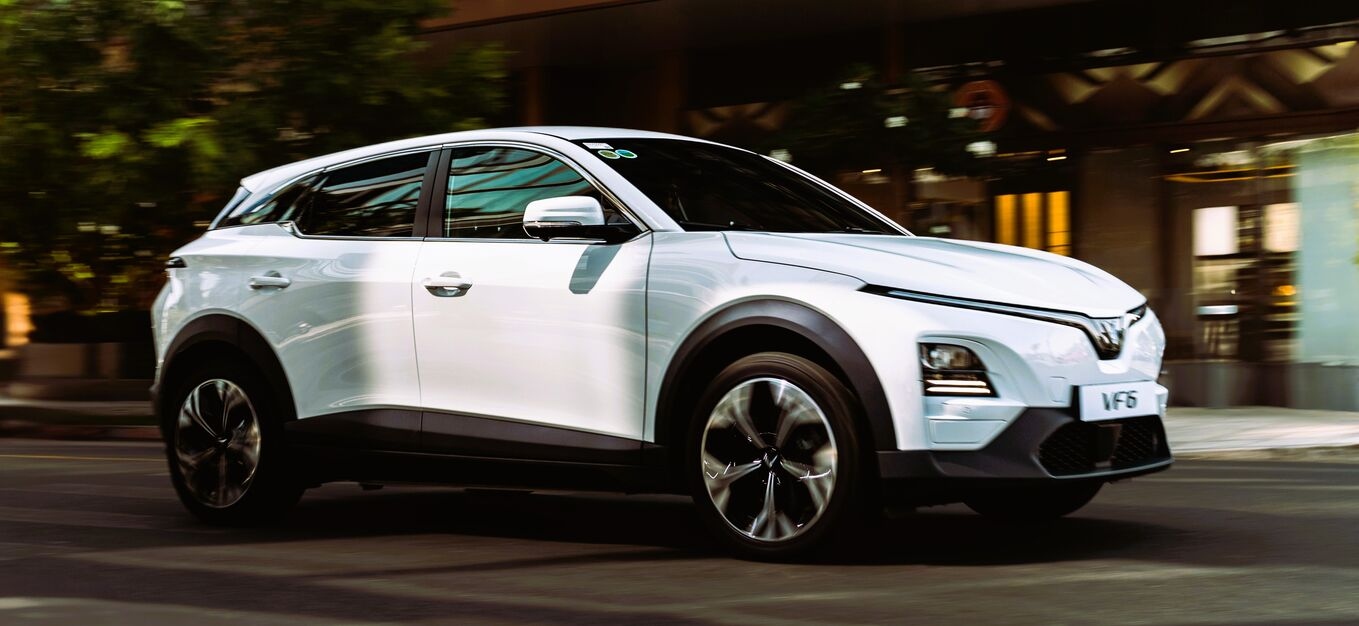
The compact SUV configuration delivers 210 horsepower, matches the performance of a 2.7-liter gasoline engine, and features 1,275 liters of rear cargo capacity alongside a 7-year vehicle warranty and 10-year battery warranty.
The VF MPV 7 officially launched in the Philippines
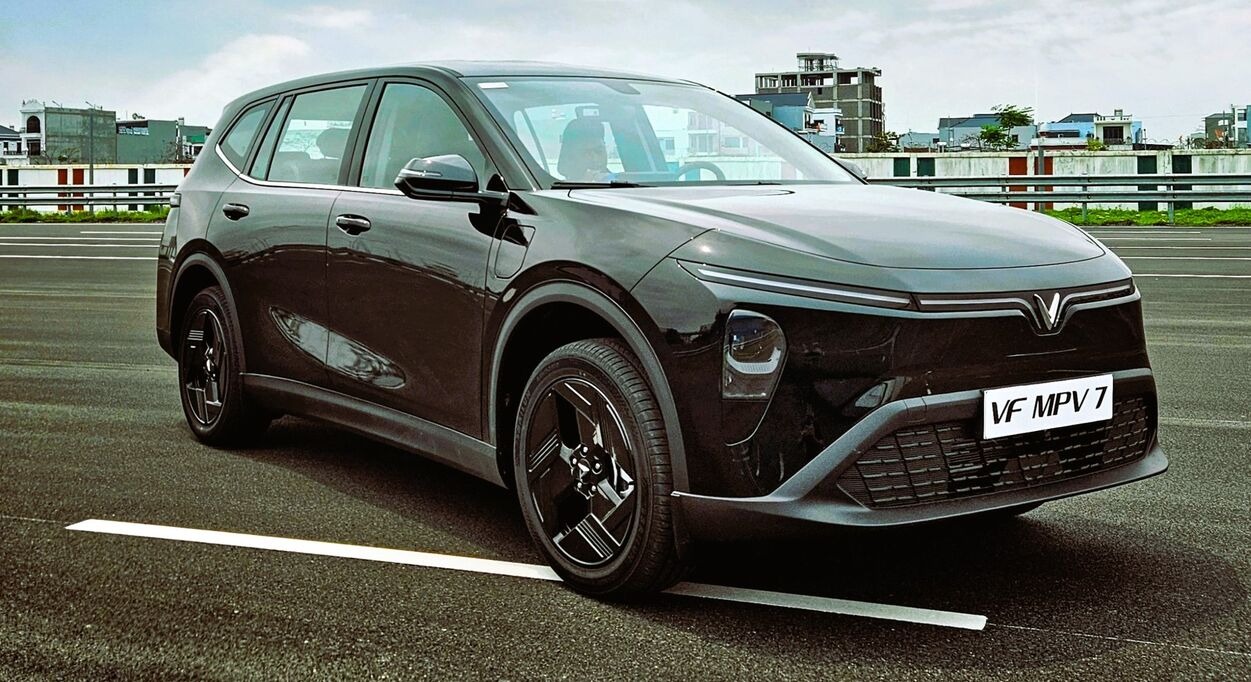
VinFast officially launched its VF MPV 7 battery electric vehicle in the Philippines, marking the model’s third international market release. Aimed at the domestic MPV market—which accounts for nearly 20% of total local automotive sales—the zero-emission 7-seater is positioned as a practical upgrade for family car buyers looking for lower operating expenses and optimized long-term cost of ownership.
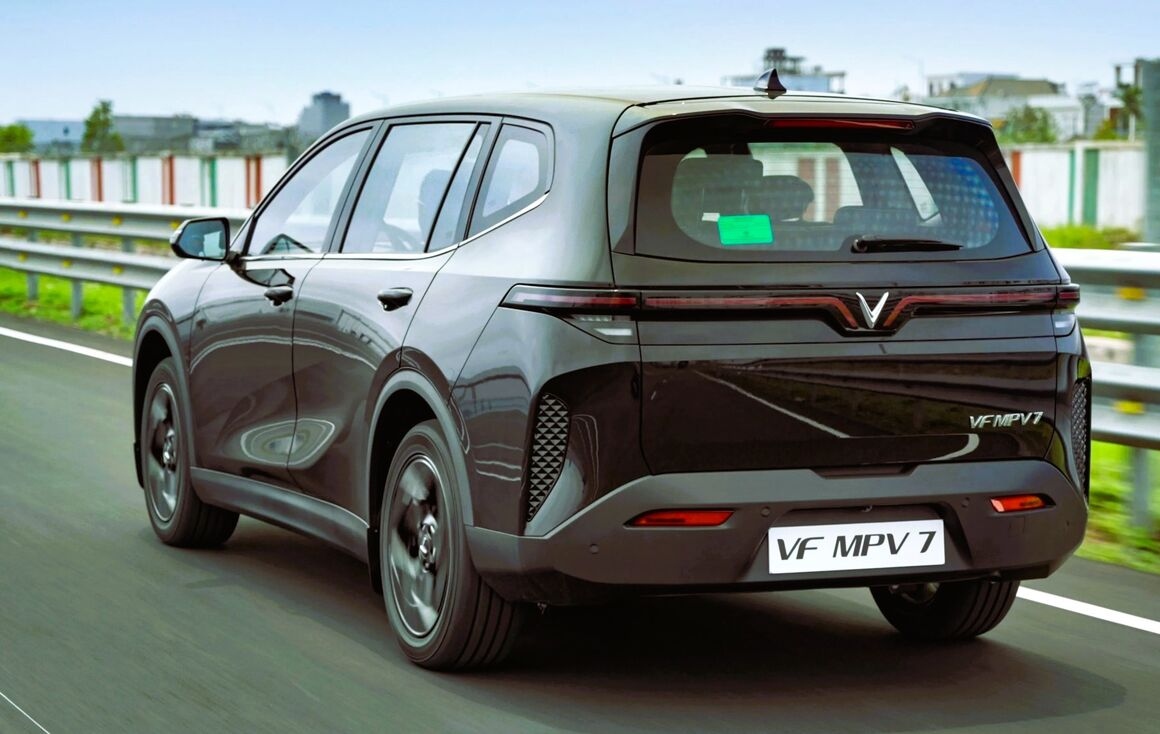
The model carries a battery-included price of P1,518,000, which drops to P1,239,000 under the battery subscription plan. Subscription rates are divided into two tiers: P2,700 per month for distances up to 2,000 km, and P4,150 per month for travel exceeding 2,000 km.
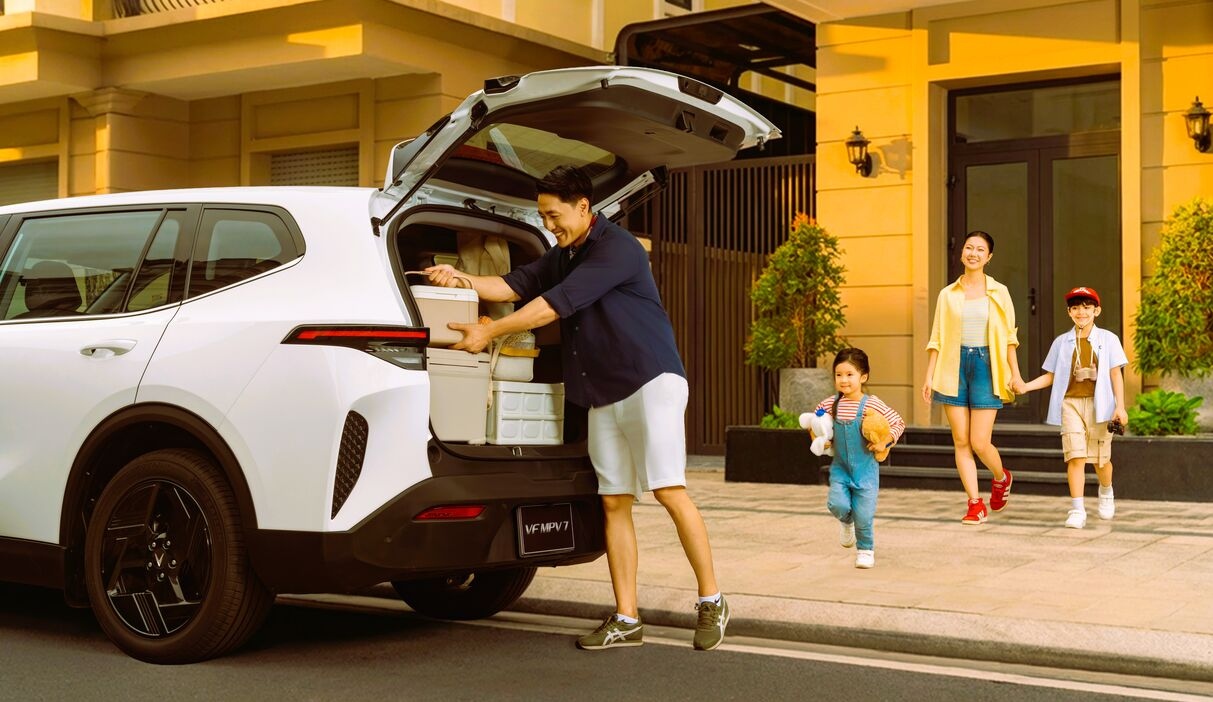
The VF MPV 7 measures 4,740 x 1,872 x 1,734 mm with an extended 2,840 mm wheelbase, utilizing a design language that pushes the wheels to the corners to maximize third-row cabin space. It features signature V-shaped LED daytime lights, 19-inch alloy wheels, and a large 1,240-liter cargo capacity. The electric motor produces 150 kW of power and 280 Nm of torque, driven by a 60.13-kWh battery that yields an NEDC-rated range of up to 450 km per full charge. Fast charging brings the battery from 10% to 70% in approximately 30 minutes.
Owners can utilize free charging at V-Green public charging stations through March 2029, bundled with a 7-year or 160,000 km vehicle warranty and a 10-year or 200,000 km battery warranty.
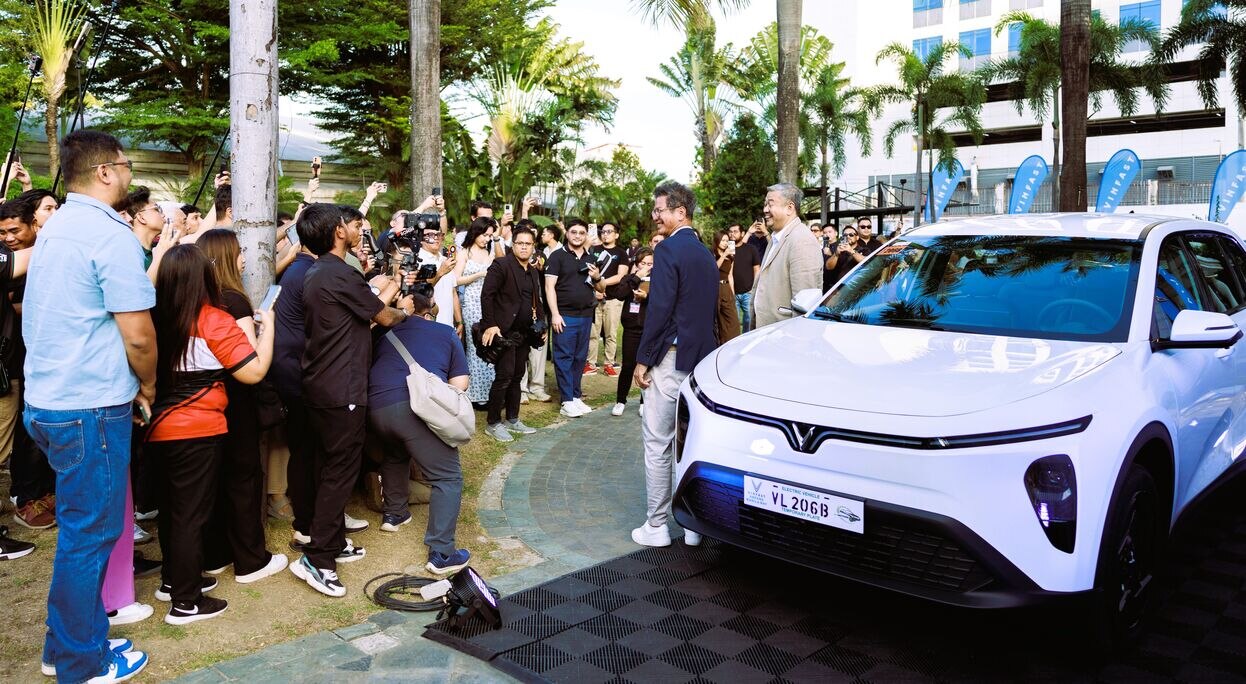
VinFast Southeast Asia chief executive officer Antonio Zara said, “The launch of the VF MPV 7 in the Philippines marks another step forward in VinFast’s global expansion strategy and demonstrates our long-term commitment to this market. With its spacious interior, strong performance, optimized operating costs, and sustainable ownership value, we believe the VF MPV 7 will serve as a comprehensive upgrade for Filipino families and set a new benchmark in the MPV segment.”
BYD deploys first Sealion 5 DM-i taxi fleet in Cordillera
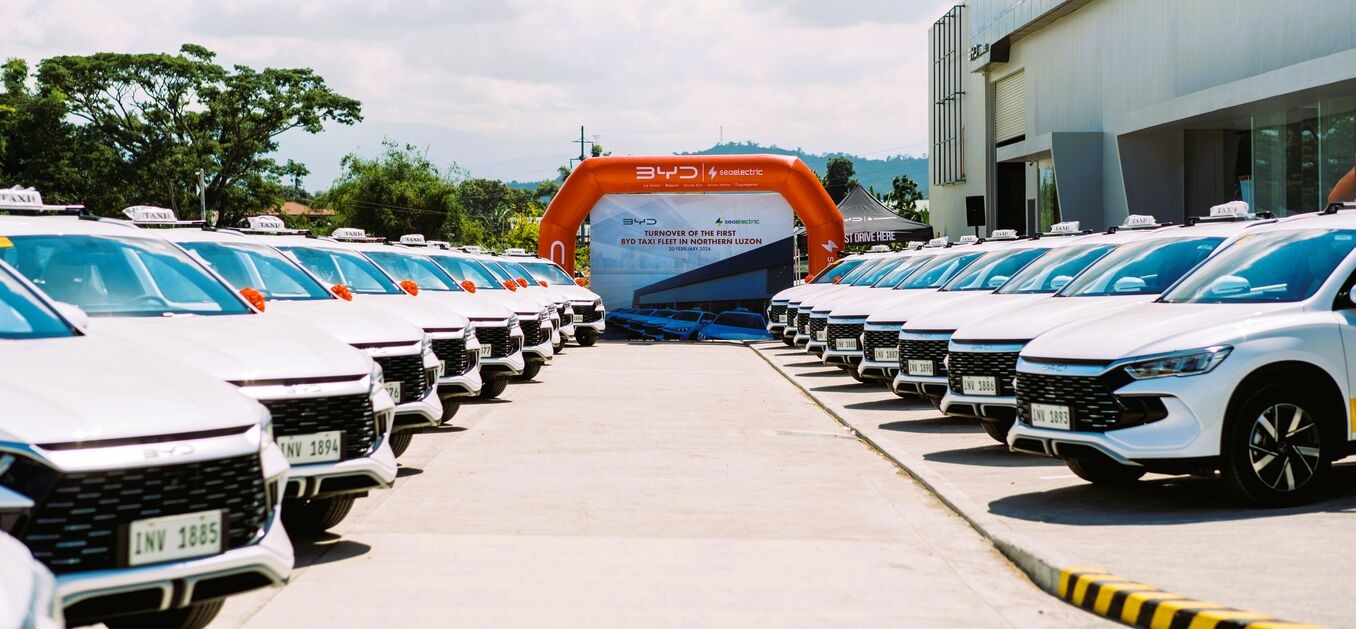
BYD Cars Philippines, a subsidiary of ACMobility, joined dealer partner SEAelectric to deploy a fleet of 20 BYD Sealion 5 DM-i units to the Highland Transport Service Cooperative (HTSC) in Northern Luzon. The deployment establishes the country’s first Sealion 5 DM-i taxi fleet, marking a modernization milestone for commuter services operating within the mountainous terrain of La Trinidad and the wider Cordillera region.
The Sealion 5 DM-i utilizes BYD’s Super DM-i plug-in hybrid technology to deliver electric-first performance, extended driving range, and lower fuel consumption across steep provincial road networks. The deployment is structured to lower daily energy overhead costs for cooperative drivers while providing smoother, lower-emission transport for public passengers.
BYD Cars Philippines managing director Bob Palanca said, “At BYD Cars Philippines, we are focused on advancing clean energy solutions and supporting the transition toward more responsible and greener transportation. The deployment of the first BYD Sealion 5 DM-i taxi fleet in the La Trinidad and Cordillera region highlights how it delivers an innovative, efficient, and cost-effective solution that performs well beyond city roads, supporting operators navigating the varied terrain of Benguet and surrounding areas.”
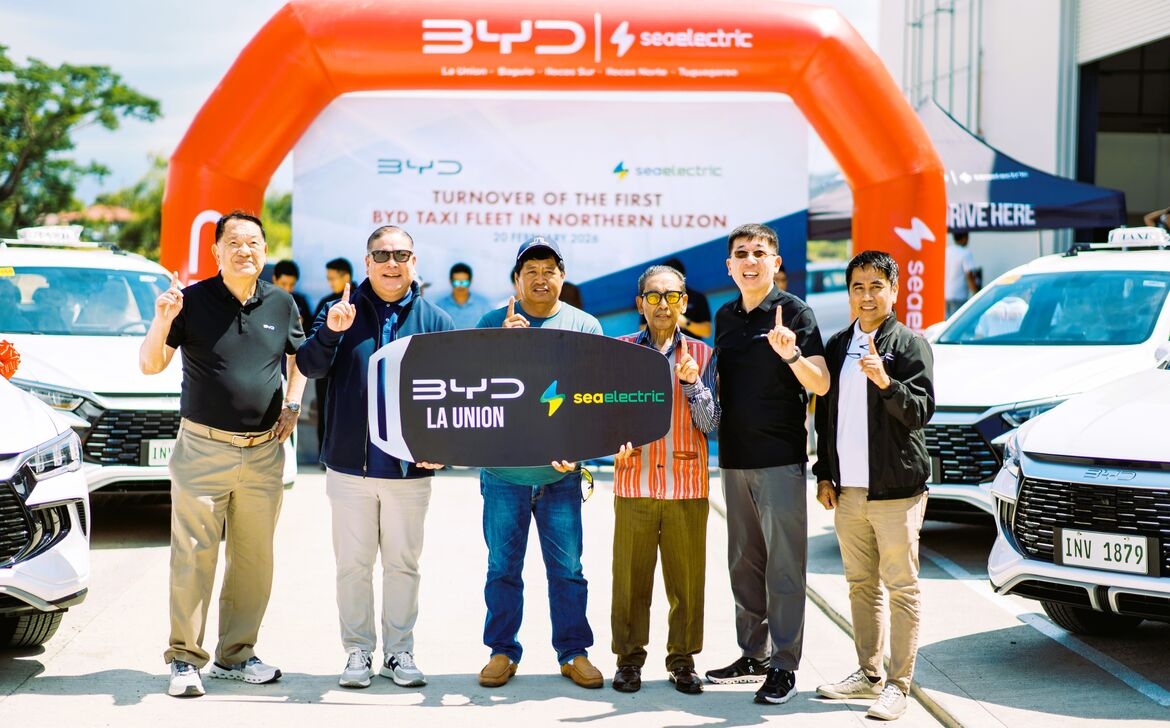
The launch ceremony was attended by top regional transport and energy leaders, including HTSC chairman Marwin Cabading, HTSC vice chairman Pastor Joel Tabingan, BYD La Union general manager Joel Sevilla, SEAelectric Philippines CEO Glenn Yu, and SeaOil chairman Francis Yu.
ACMobility, ACEN RES partner for zero-emission charging
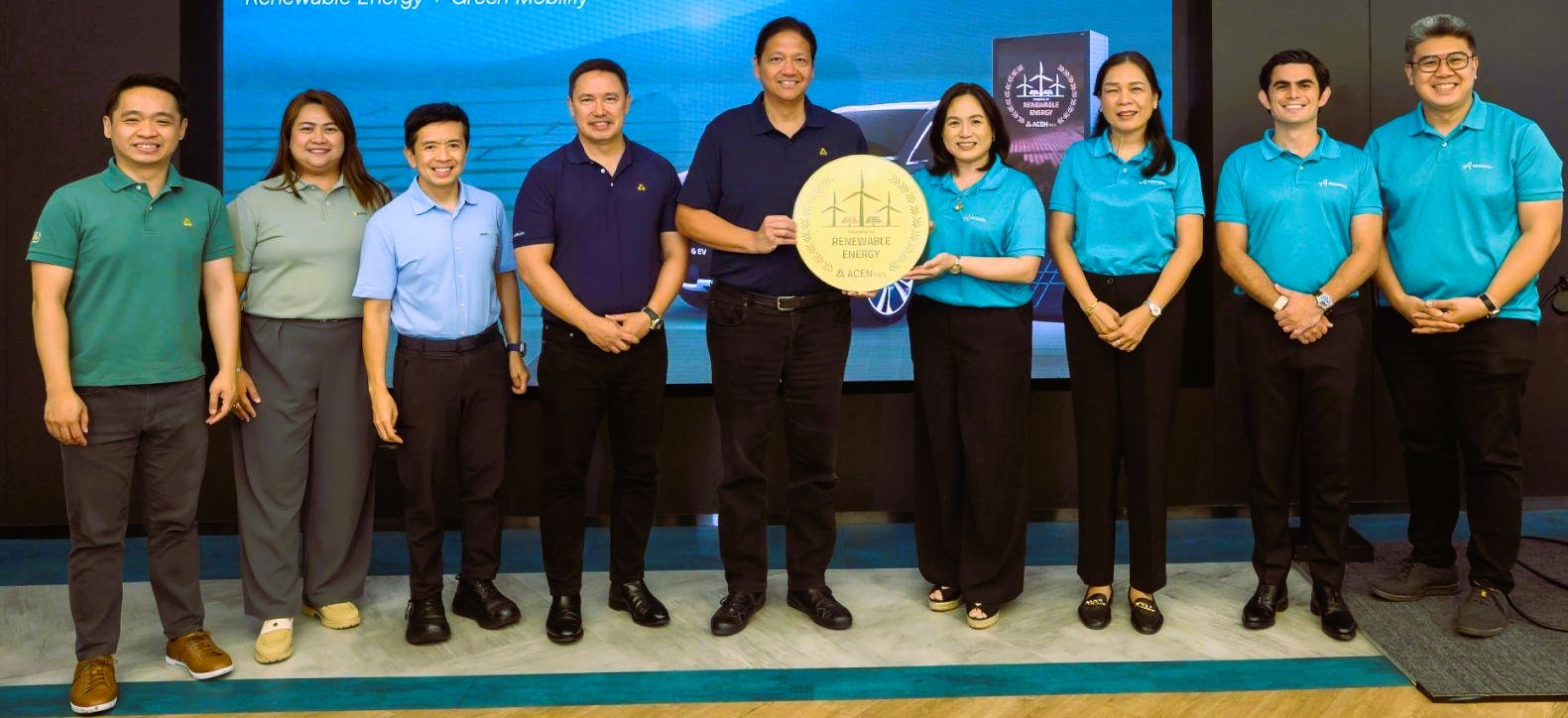
Ayala Corp subsidiaries ACMobility and ACEN RES formed a strategic partnership to supply commercial and industrial business clients with an integrated energy bundle combining 100% renewable electricity with public or private EV charging infrastructure. The agreement allows enterprise customers to establish zero-emission charging stations for corporate EV fleets, employee use, or as commercial charge point operators (CPOs).
For businesses opening their charging stations to the public, the infrastructure will integrate into ACMobility’s Evro app ecosystem, letting public EV operators locate, reserve, and pay for charging sessions through automated billing systems. The initiative scales up a prior pilot project that powered ultrafast charging stations in Makati City using clean energy assets.
ACEN president and CEO Eric Francia said, “The convergence of clean energy and electric mobility is essential to the Philippines’ energy transition. Through this partnership, we are making it easier for businesses to adopt renewable energy and EV charging solutions, helping accelerate decarbonization across both operations and transport.”
ACMobility CEO Jaime Alfonso Zobel de Ayala added, “Electric mobility delivers even greater value when powered by clean energy. Together with ACEN RES, we are enabling businesses to cut emissions by integrating renewable supply with EV charging.”
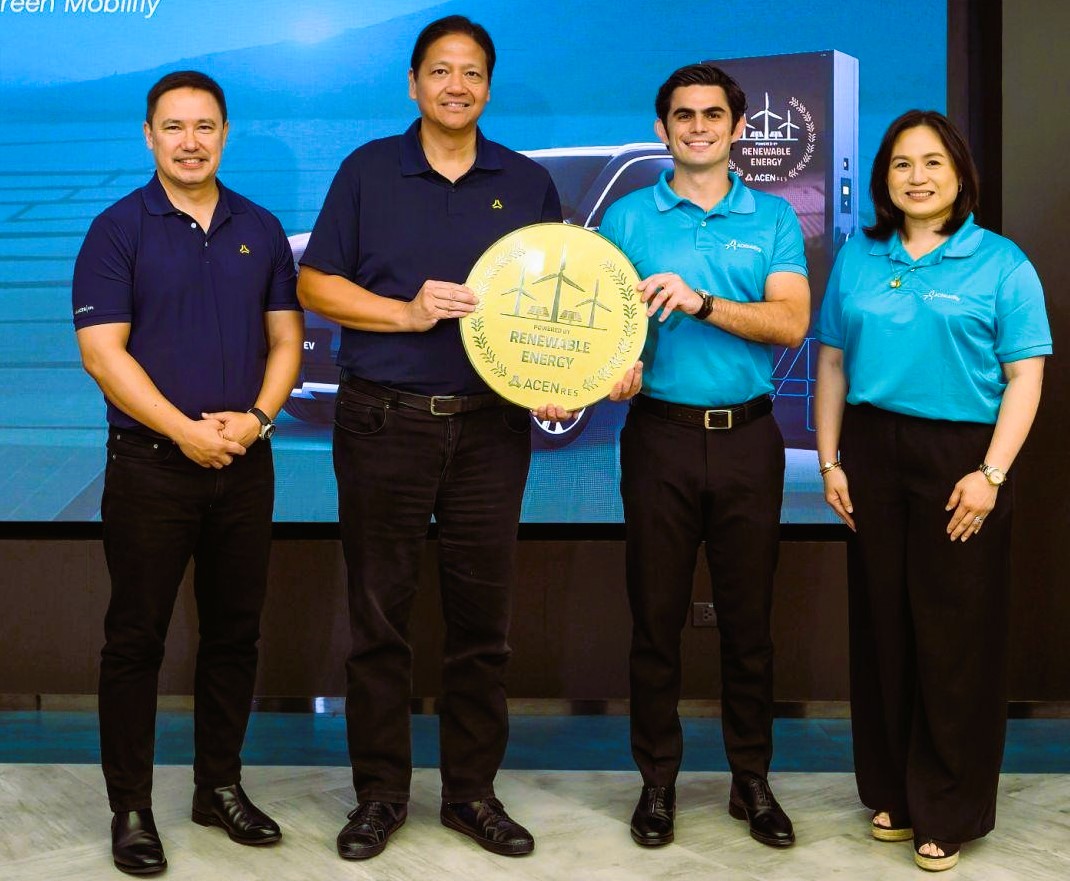
According to regulatory data from the Energy Regulatory Commission (ERC) and the Philippine Electricity Market Corp (PEMC), ACEN RES currently serves as the renewable energy supplier for 6 out of 10 businesses enrolled under the national Green Energy Option Program (GEOP). ACMobility continues to expand its national EV charging infrastructure, which spans over 200 active locations.
ACMobility rebrands charging platform to ChargePlus
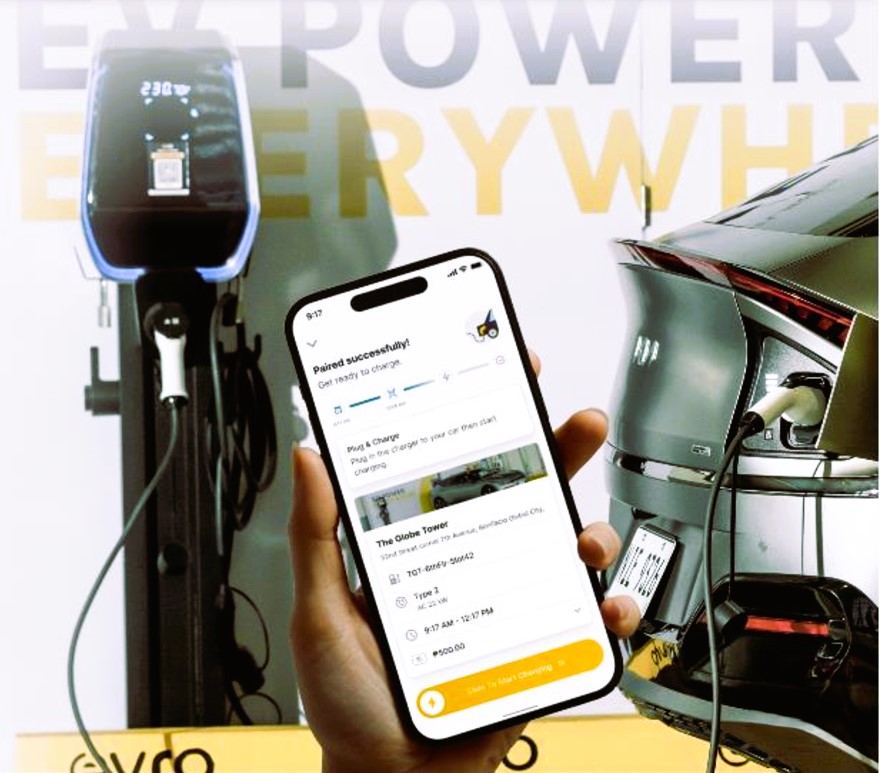
ACMobility revamped its public EV membership program under the new name ChargePlus, transitioning away from its original discount-only format to a flexible, pay-per-use structure built around long-term consumer insights. The upgraded membership eliminates expiring credits and introduces tiered benefit bundles designed to improve daily EV ownership.
Upgraded core account benefits
o No-expiry balances: Purchased charging credits remain active indefinitely, provided the account is utilized at least once every six months;
o Tiered bonus credits: Large bundle purchases receive up to a 20% value bonus added directly to the user’s digital account;
o App extensions: Ongoing updates to the companion Evro app will allow drivers to reserve charging slots and extend live sessions remotely.
Integrated lifestyle and maintenance perks
The ChargePlus tier integrates specialized automotive care incentives across ACMobility partner brands. Qualifying members receive complimentary 4-wheel alignment services and custom vouchers valid at any Bosch Car Service center nationwide. For customization, the program offers specialized pricing on official BYD accessories. On the maintenance side, members can access up to P500 off on periodic maintenance services (PMS) across all Kia dealerships nationwide. Additionally, high-tier credit purchases unlock “Power-on-Wheels” (POW) mobile on-demand emergency roadside charging delivery at no extra charge.
ACMobility head of mobility infrastructure Carla Buencamino said, “Our goal with ChargePlus is to transform the charging experience from a simple utility into a comprehensive, value-driven lifestyle for every EV owner. This rebrand reflects our commitment to building an EV ecosystem that is not only accessible and reliable but also deeply attuned to the evolving needs of EV owners.”
To learn more and purchase the new ChargePlus promos, visit https://evro.onelink.me/lZpy/ChargePlus2026.
ACMobility to deploy 200+ charge points in RLC properties

ACMobility signed a nationwide partnership agreement with Robinsons Land Corp (RLC) to deploy over 200 dedicated EV charge points across RLC’s commercial, residential, and mixed-use properties starting this year. The infrastructure rollout will integrate into GoCharge, Robinsons Land’s corporate EV charging initiative.
The multi-city network will install charging stations across RLC residential towers, office hubs, hotels, and integrated estates. Initial deployments will focus on high-traffic locations within Metro Manila and Tagaytay, followed by regional expansions into Tuguegarao, Tarlac, Bicol, Palawan, Bacolod, Cebu, and Iloilo. The agreement marks ACMobility’s first large-scale development contract with a major multi-vertical real estate developer.
ACMobility CEO Jaime Alfonso Zobel de Ayala said: “Our partnership comes at such a pivotal time. There is clear intent among Filipinos to shift to EVs. This is why at ACMobility, we’re hard at work building the Philippine EV Spine. With more charging points available from Pagudpud in the north to Pagadian in the south, we will enable worry-free EV-powered drives.”
RLC president and CEO Mybelle V. Aragon-GoBio added: “Through GoCharge and our partnership with ACMobility, we are helping make sustainable mobility more practical and within reach while creating long-term value across our properties.”
Fuel pressures quietly reshape Manila’s ride-hailing market

Worsening traffic congestion and volatile fuel prices are creating structural earnings challenges for app-based drivers in Metro Manila, shifting the industry’s focus from rapid fleet expansion toward long-term operational cost sustainability. Because the local ride-hailing market relies primarily on privately operated gasoline vehicles, individual drivers absorb fluctuations in global oil prices directly, acting as financial shock absorbers since fare increases are constrained by market competition.
Rene E. Santiago, a prominent Philippine transport economist and infrastructure consultant, observed: “When operating costs become unstable, the driver becomes the shock absorber of the system. That becomes even more difficult in cities where congestion already reduces operational efficiency.”
According to data from the Japan International Cooperation Agency (JICA), traffic congestion in the capital costs the domestic economy billions of pesos daily in lost productivity. For gasoline-reliant operators, this congestion results in extensive engine idle hours, increased fuel burn, and fewer completed trips per shift, forcing drivers to log longer hours for lower take-home income.
While the government encourages transport electrification via the Electric Vehicle Industry Development Act (Evida), barriers like concentrated charging points and limited financing access have slowed individual driver transitions. In response, platforms like Green GSM have entered the market with fully electric fleets and leasing programs designed to lower lifetime operating and maintenance costs.
Santiago added: “In highly congested urban environments, operators eventually start paying closer attention to total lifetime operating costs rather than simply vehicle acquisition costs. That changes how different mobility models are evaluated over time.”
Green GSM partners with 75 local transport operators

Green GSM signed a major series of Memoranda of Understanding (MOUs) and deposit agreements with 75 transport companies and cooperatives across the Philippines, outlining the phased deployment of up to 18,497 VinFast EVs for passenger ride-hailing services throughout 2026. The partnership spans multiple high-demand urban transport corridors, including Metro Manila, Cebu, Davao, Iloilo, Cagayan de Oro, Cavite, Pampanga, Bacolod, Batangas, Baguio, and Ozamiz.
The localized fleet growth will deploy VinFast VF 5/Herio Green and Limo Green models optimized for high-volume urban passenger transport through direct cooperative investments and long-term leasing options. The strategy builds upon Green GSM’s initial 2,500-vehicle pilot run launched in partnership with the Xentro Group.
Corporate leadership from participating organizations emphasized the operational value of the joint venture. Asia Prime Force Corp CEO Gio Colmenares said, “This partnership reflects a broader shift underway across the transport industry, where scale, efficiency, and sustainability are becoming increasingly interconnected. Green GSM’s platform provides a structured approach to deploying electric mobility, combining operational clarity with long-term growth potential. We see this not only as an opportunity in the Philippines, but as part of a wider transformation of urban mobility across Southeast Asia.”
Green EV Transport Corp and Green Fast Corp managing director Dave Baldoza added: “For transport cooperatives, the transition to electric mobility is not only about technology, but also about long-term sustainability for our members. Green GSM’s model enables us to modernize our fleets while maintaining operational stability and access to consistent demand. This creates a clear pathway for cooperatives to participate in the next phase of urban transport development.”
Green Will Corp chair Rachel Ann Villanueva said: “Scaling electric mobility requires coordinated investment across vehicles, infrastructure, and operations. Partnership models like this demonstrate how different parts of the ecosystem can work together to enable deployment at scale.”
GSM Global CEO Nguyen Van Thanh said: “Electrifying transportation is no longer a future trend, but an ongoing transition already taking place across major urban centers worldwide. Through its platform and partnership approach, Green GSM aims to advance electric mobility in a practical and sustainable way while maintaining unified service standards across the ecosystem.”
Green SM Limo launches all-electric taxi fleet in India
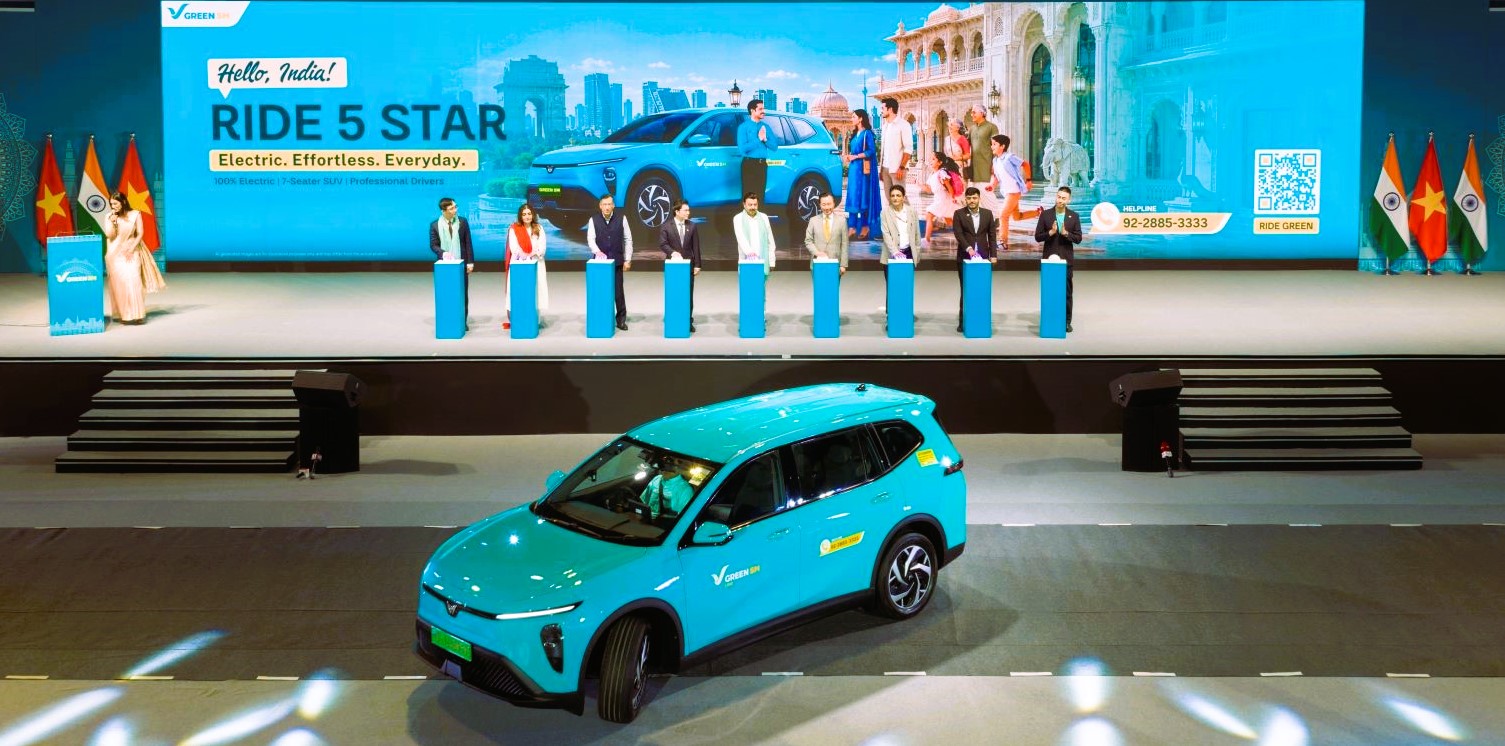
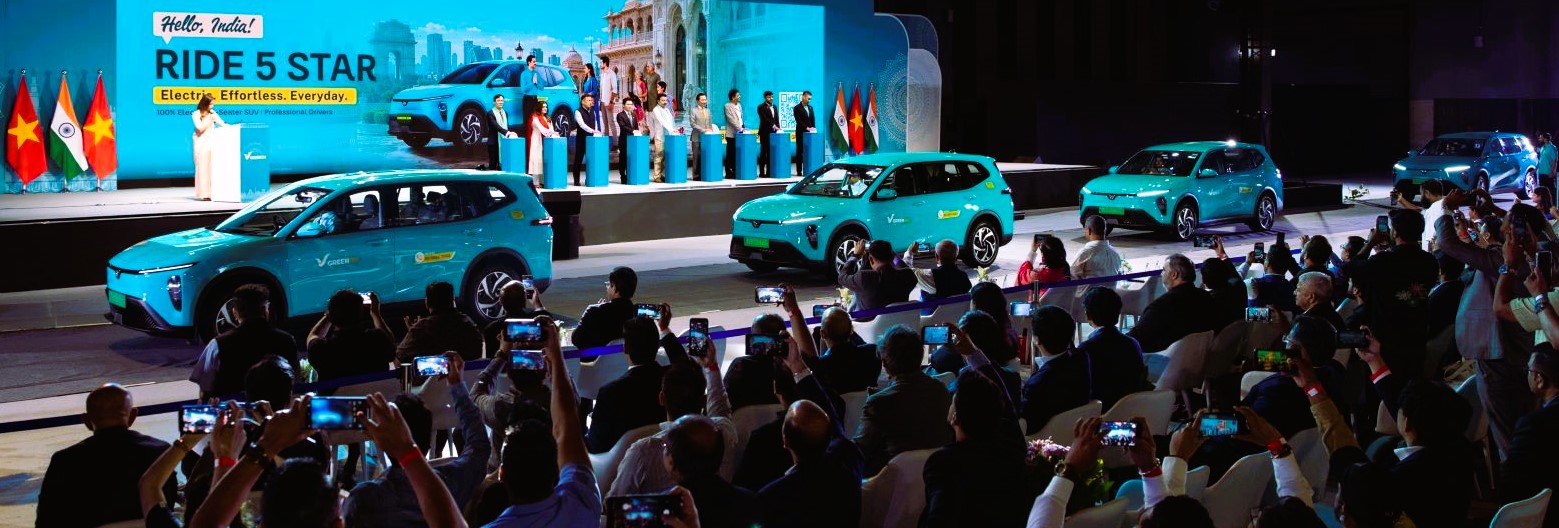
Marking its official entry into India, Green SM launched its premium Green SM Limo service in New Delhi on World Environment Day, establishing India as the company’s fifth international market after Vietnam, Laos, Indonesia, and the Philippines. The opening ceremony was attended by high-ranking Indian and Vietnamese state dignitaries, including Haryana Industries and Commerce Minister Shri Rao Narbir Singh and Commission for Air Quality Management Vice President Dr. Virinder Sharma.

Operating the VinFast Limo Green—a 7-seater fully electric SUV built specifically for premium passenger service—the fleet will initially cover the Delhi National Capital Region (NCR) before expanding outward in stages. The vehicles feature built-in guest amenities like drinking water and wet tissues alongside a centralized Secure-to-Safe protection system incorporating internal/external cameras, AI tracking software, and integrated driver/passenger emergency buttons.
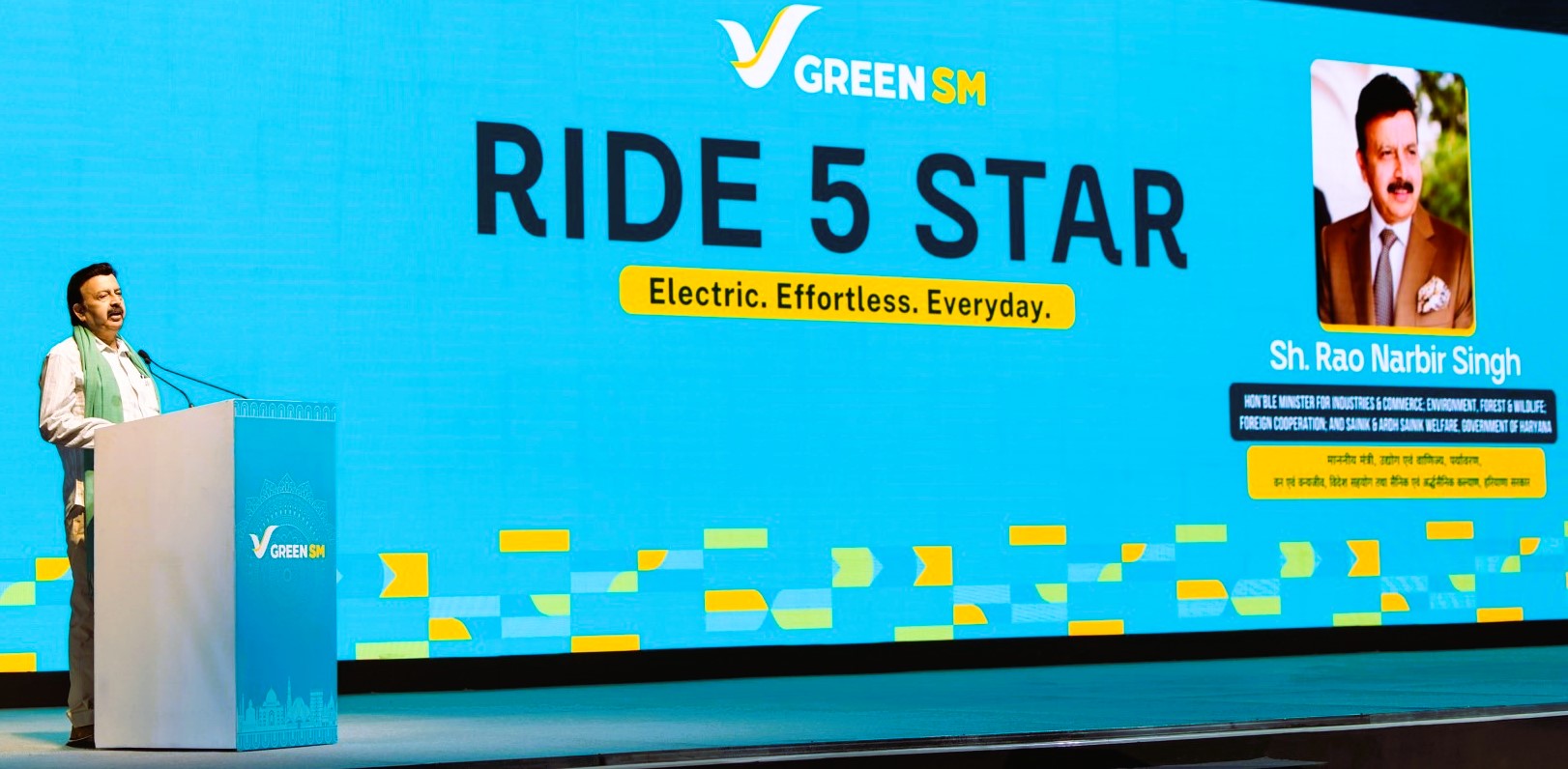
The brand’s Ride 5 Star service framework enforces strict standards for driver professionalism, vehicle cleanliness, and road safety. To celebrate the New Delhi rollout, Green SM implemented an application-based booking promotion offering a 50% discount (up to INR250) during its opening week. Additionally, five regional mobility and travel companies joined the platform’s Green Alliance Frontier to collaborate on long-term green transport initiatives.
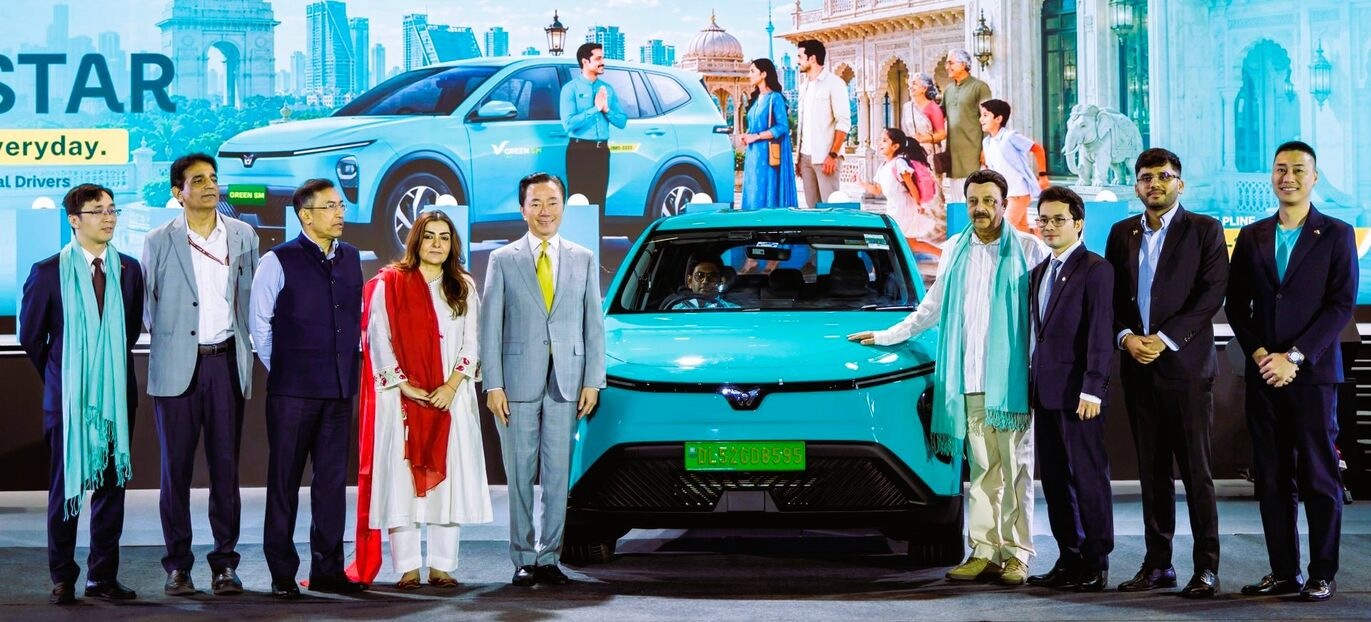
GSM Global CEO Nguyen Van Thanh said: “India is one of the most important mobility markets in the world. Its scale, rapid growth, and strong spirit of innovation are opening up many opportunities for the future of green transportation. We come to India with respect for the market, confidence in its long-term potential, and a commitment to working closely with local partners. Green SM hopes to bring high-quality fully electric rides to customers, while contributing to broader access to safe, reliable, and more sustainable mobility choices.”
Green GSM signs ₱2-billion financial pact with PNB
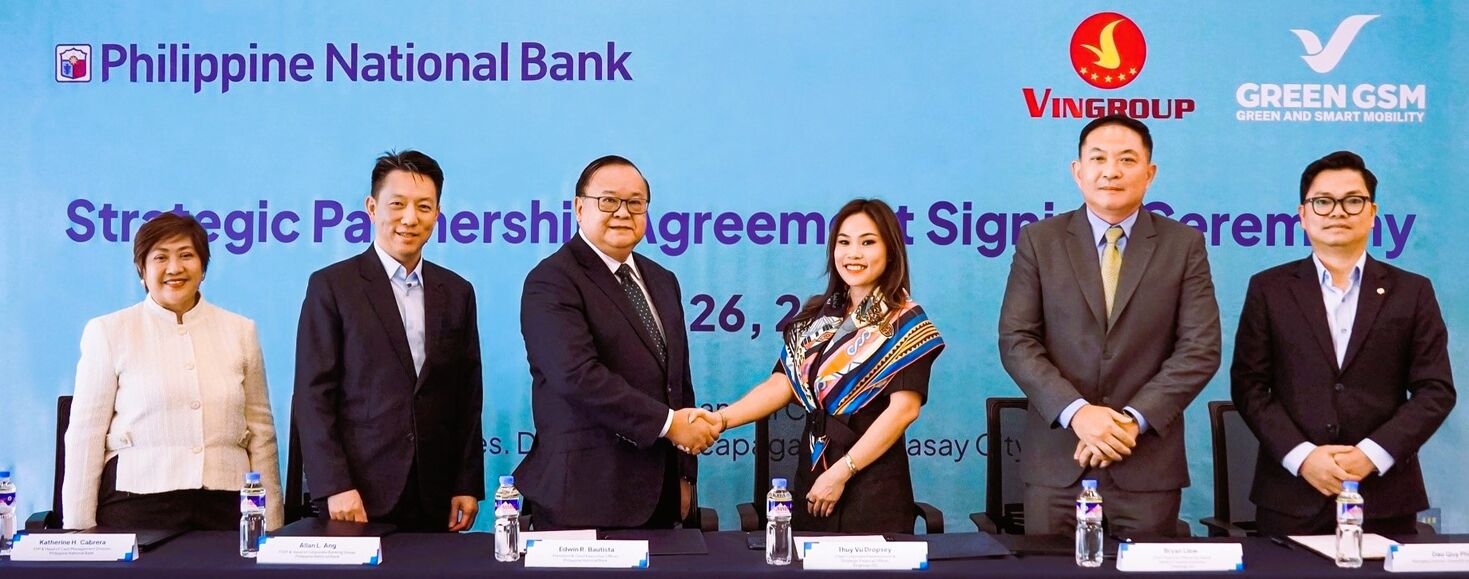
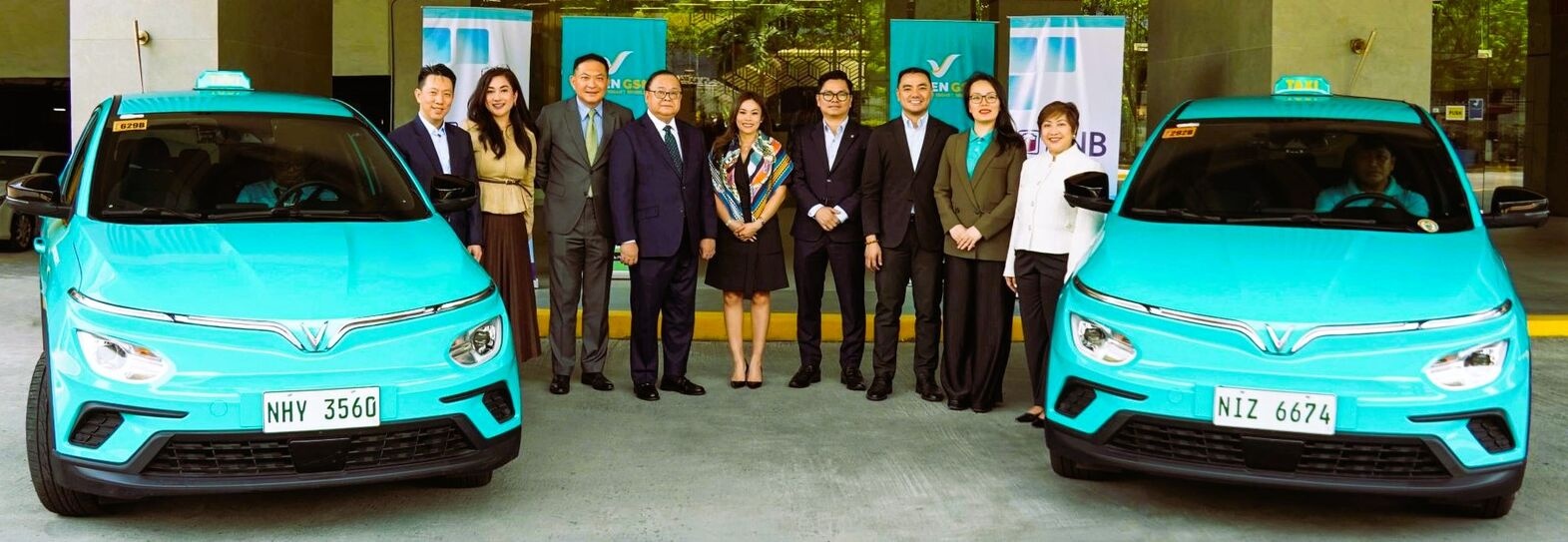
Green GSM Philippines formalized a major financial and digital banking partnership with the Philippine National Bank (PNB) to secure the capital and operational infrastructure needed to scale its low-emission ride-hailing operations nationwide. Under the strategic agreement, PNB extended a P2-billion credit facility directly dedicated to funding Green GSM’s local fleet acquisition and operational capacity growth.
Alongside the credit framework, the two entities co-developed an integrated digital account management and payment network tailored for Green GSM’s expanding driver workforce. Handled through PNB’s commercial corporate banking platform, the digitized onboarding system reduces driver account activation and payment settlement processing times. The institutional alignment expands on Green GSM’s existing local partnerships, which include its 2025 joint venture with the Xentro Group to field the Green Xentro fleet in Rizal.
PNB president and chief executive officer Edwin R. Bautista said: “We appreciate Green GSM’s long-term development direction in the Philippines, not only in advancing low-emission mobility, but also in the way the company is building an operating model with scalability and clear governance foundations. The transition toward sustainable transport will require ecosystems capable of supporting stable long-term growth, together with the financial and operational foundations needed to enable that expansion.”
Green GSM Philippines chief executive officer Le Thi Thu Trang added: “For Green GSM, developing an all-electric mobility model is not only about expanding the fleet, but also about building an operating system that is stable, standardized, and capable of sustainable long-term growth. Our partnership with PNB will help strengthen the financial and operational foundations needed to enhance service quality and support Green GSM’s continued expansion in the Philippines.”