
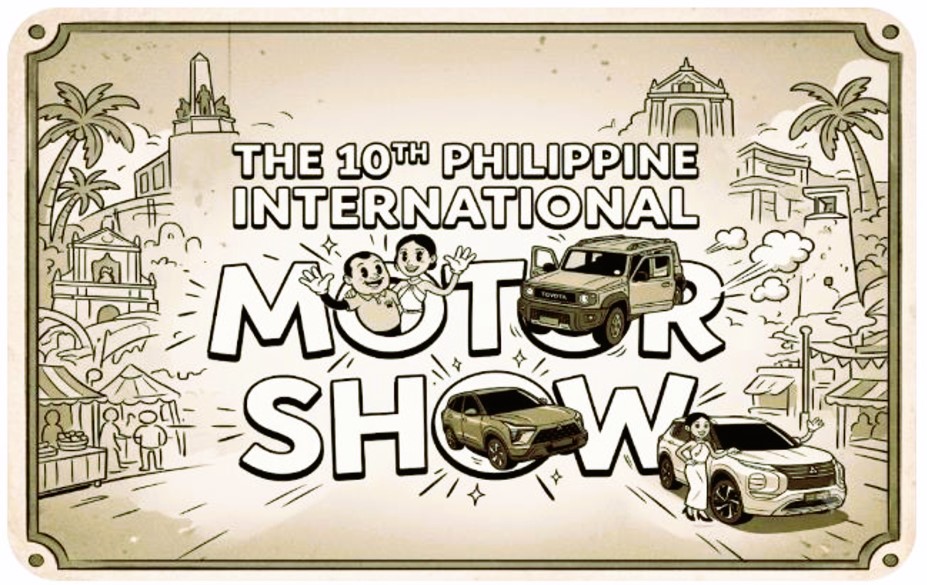
Text and photos by Ian Reyes
Back in the early to mid-1990s, my introduction to the local automotive world arrived via the ink-stained motoring sections of major broadsheets—the Philippine Star, Bulletin, and of course, the Inquirer—alongside weekend TV staples like “Auto Focus” and “Motoring Today.” It was through these media channels that I first encountered an acronym that would come to define our local automotive landscape: Campi.
Unified voice of the industry
Officially established on May 16, 1995, by 11 visionary industry leaders, the Chamber of Automotive Manufacturers of the Philippines Inc (Campi) was created as a unified voice for a sector navigating economic transition. Beyond anchoring government policy advocacy like the Motor Vehicle Development Program (MVDP), Campi has spent decades championing localized technology transfer, economic growth, and environmental initiatives. Today, its members command over 90% of total vehicle sales in the country.
Memorable motor shows
For local enthusiasts, Campi’s most thrilling contribution is the Philippine International Motor Show (PIMS), which launched in 2007. Every iteration brings something groundbreaking; I still remember the absolute buzz that inaugural year when the iconic Mitsubishi Lancer EX broke cover.
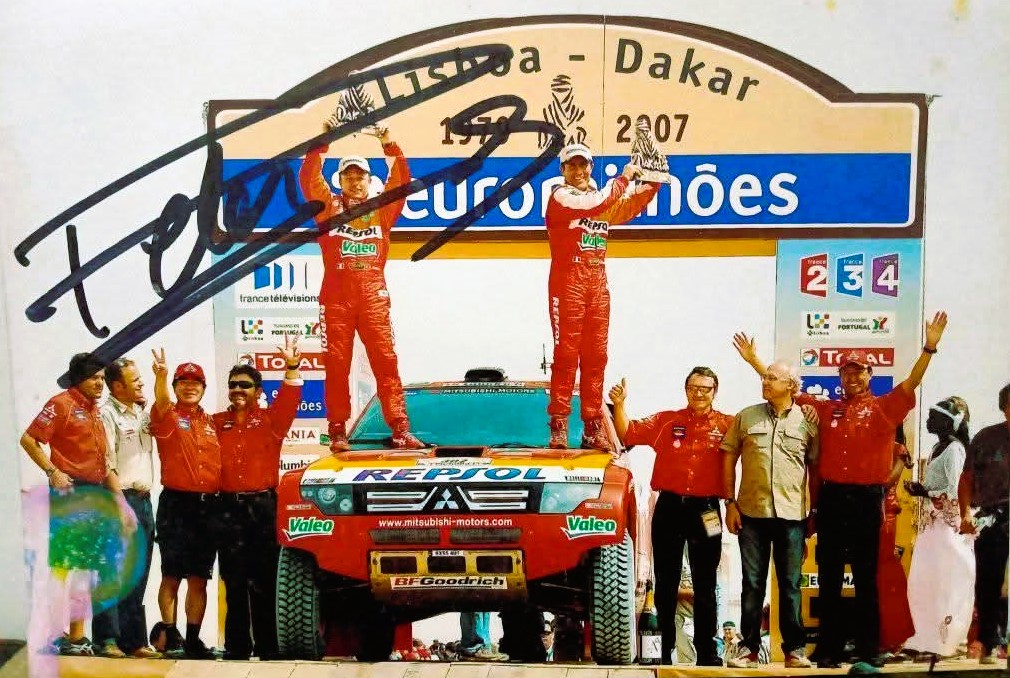
The 2008 edition proved even more legendary. MMPC brought in Dakar Rally titan Stéphane Peterhansel for a live Q&A session. I was lucky enough to participate and ask a question (though the exact words escape me now). Thanks to the marketing staff, I walked away with a precious, personally autographed photo celebrating Peterhansel’s Dakar victory.
Even severe weather couldn’t dampen the PIMS magic. In 2014, while a powerful typhoon battered Baguio and Northern Luzon, I braved a torrential early-morning taxi ride to the bus station, only to arrive in Manila to blistering, summer-like sunshine—all just to witness the latest automotive marvels. Truly, like what Emily Charlton said, that “Wonders Never Cease!”
The tradition continues
Fast forward to the present, and that familiar excitement remains unchanged. A huge thank you to Mitsubishi Motors Philippines Corp (MMPC) for the complimentary passes and hospitality. Having walked every inch of the exhibition floor, I’ve earmarked the standout machines, my Top 10 favorite vehicles.
Kia Sonet: As the only participant from Korea as well as the first to lay my eyes on as I entered the Main hall. Kia comes first. My own history with this brand stretches back to 1990. In those days, the modest Kia Pride CD-5 that I first saw in the Summer of 1990 as a no-frills simple hatchback was the undisputed champion of the People’s Car Program initiated by the government. Seeing the manufacturer in 2026, the scale of its evolution is truly immense.
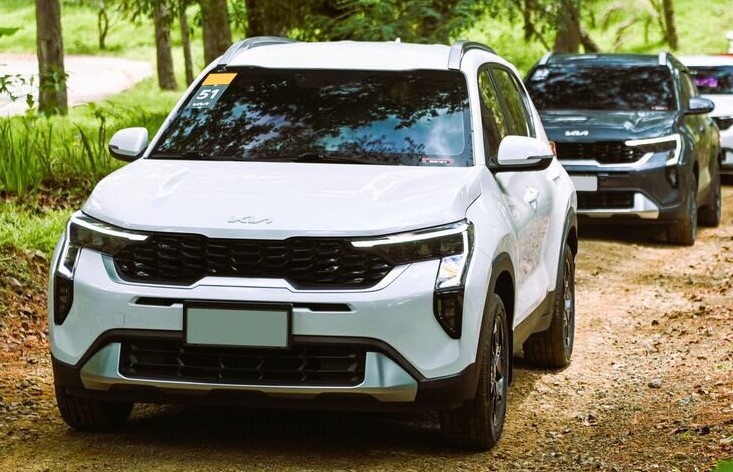
Entering the display area, I encountered the fresh Kia Sonet. It felt like a significant, full-circle milestone; if the original Pride was the charming vehicle of my youth, this newcomer represents its sophisticated, mature successor. In a wonderful touch, the exhibit featured unique, vintage-inspired wheels that served as a stylish tribute to its 90s heritage.
Kia EV9: While the Sonet offered a trip down memory lane, the flagship EV9 was the true star of the booth. Finished in a captivating palette of teal and azure, this substantial SUV appears like a futuristic design study made real. Its courageous technological advancements—replacing conventional mirrors with sleek cameras that feed video to internal digital displays—left a lasting impression.
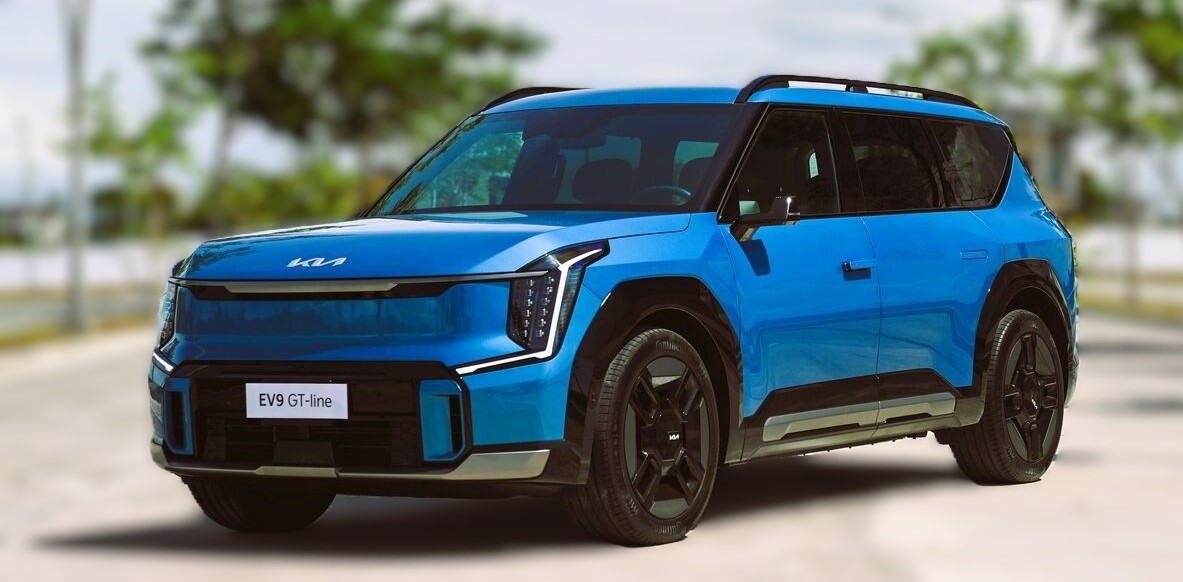
A recent road test confirmed that the EV9’s excellence goes deeper than its aesthetics. The sweltering Manila climate was easily handled by the luxurious, cooled seating, providing a perfectly dry and relaxed environment. Complemented by the rich, high-fidelity tones of the 14-speaker Meridian setup, the interior was transformed into a mobile sanctuary.
As a pure electric contender, the EV9 delivered the sharp handling and rapid bursts of speed I had anticipated. The technical data is certainly formidable: The Dual Motor AWD System generates a combined 379 hp and a staggering 700 Nm of torque, propelling this large machine to 100 kph in approximately 5.3 seconds. The battery features a high-capacity 99.8 kWh battery pack, providing a substantial range of up to 563 km on a full charge. The 800V Charging Architecture enables a rapid charge from 10% to 80% in only 24 minutes via a 230 kW DC station.
From its origins as an affordable hatchback to its current status as a futuristic titan, Kia has done more than just mature—it has fundamentally shifted the automotive paradigm.
Mitsubishi Outlander PHEV: Stepping into the high-energy atmosphere of the World Trade Center for the 10th Philippine International Motor Show (PIMS 2026), the Mitsubishi Motors pavilion instantly captivates. For the seasoned enthusiast, the exhibit offers a profound sense of long-awaited satisfaction, headlined by a legendary nameplate that has at last broken its silence.
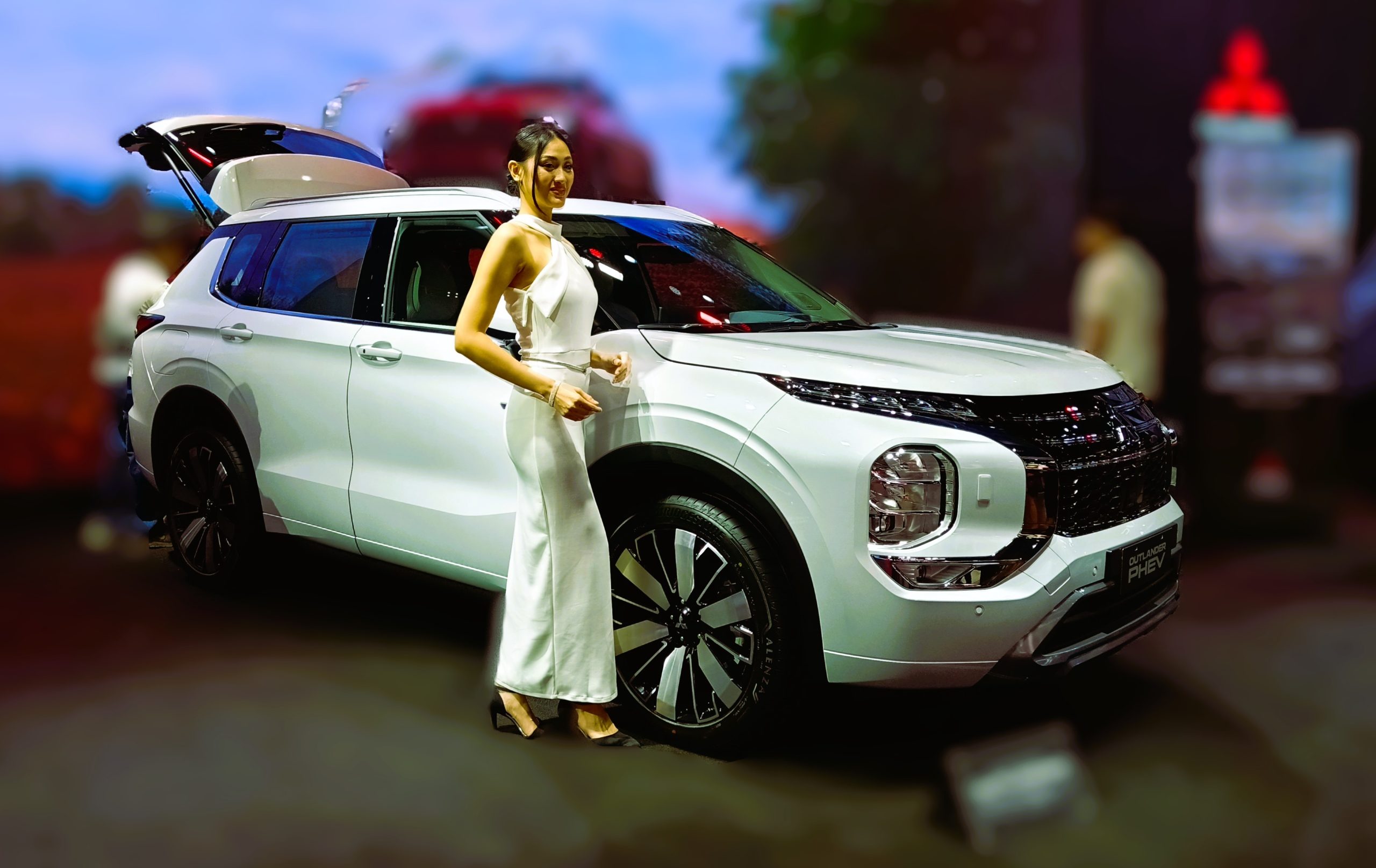
We initially caught a fleeting glimpse of the current-gen Outlander PHEV three years ago, with a handful of elusive units later surfacing during Mitsubishi’s 60th Anniversary Expo. Back then, those machines were strictly for internal corporate use. While we collectively hoped for an official local release, Mitsubishi Philippines remained uncharacteristically tight-lipped—until now.
The major headline from PIMS is the official local launch of the Outlander PHEV in just a few months, featuring the sophisticated updates currently found in Japan and the United States. (Update: The official launch of the new Outlander PHEV is on Aug. 20)
Arriving exclusively in the flagship GT trim, it will be configured solely as a 5-seater. Frankly, this is a welcome move; having experienced the global version’s somewhat cramped third row, the choice of a generous 5-seat layout offers far superior real-world luxury.
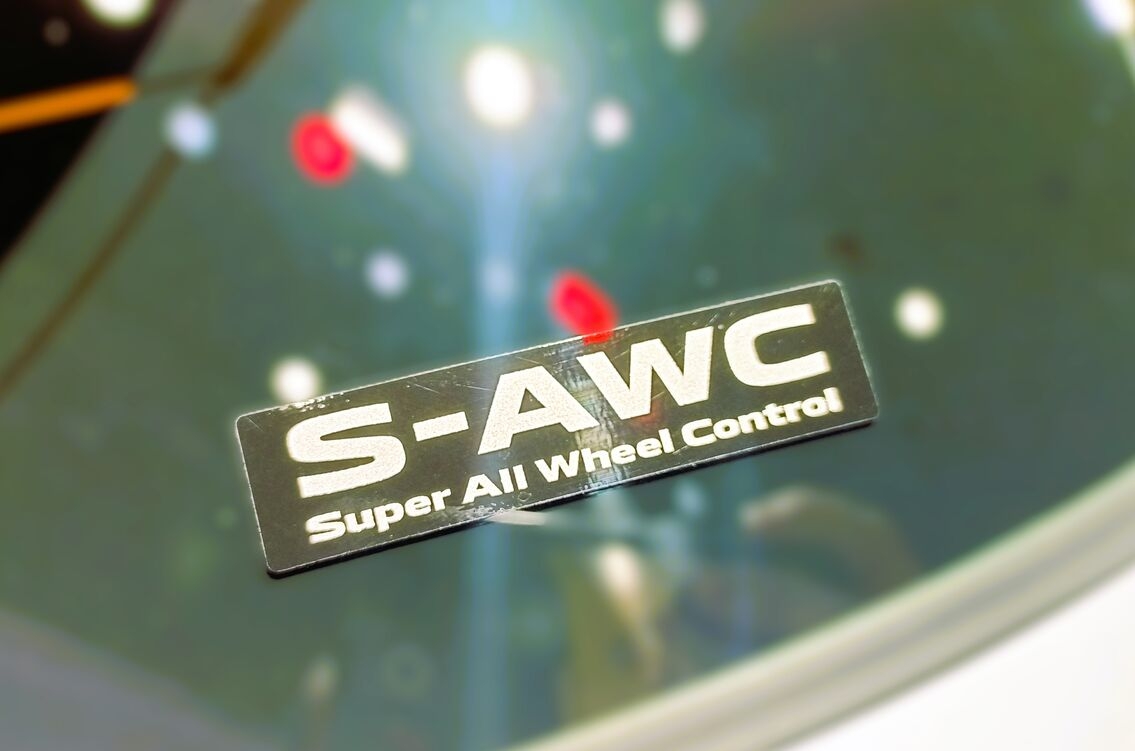
At its heart, the Outlander PHEV utilizes a rally-inspired powertrain that pairs a 2.4-liter 4B12 Mivec engine with high-output twin electric motors. The system delivers a formidable combined 252 hp and a massive 450 Nm of torque, providing an immediate and linear surge of power. This performance is managed by Mitsubishi’s iconic Super All-Wheel Control (S-AWC) system, which seamlessly distributes torque for exceptional stability on rain-slicked Philippine roads or tight urban corners.
Visually, it commands the road with the signature Dynamic Shield fascia, high-set LED daytime running lights, a panoramic sunroof, and a smart power tailgate. Inside, the utilitarian aesthetic of previous years is replaced by a premium executive cabin finished in high-grade leather. The dashboard features a sleek dual-screen setup with a 12.3-inch digital instrument cluster, a matching 12.3-inch infotainment display, a head-up display, and triple-zone climate control. The true test will be its market positioning; while the prior generation struggled due to a high entry barrier, we hope MMPC finds a competitive sweet spot around the P2.5-million mark.
Mitsubishi XForce GLX: On the other end of the spectrum, practical buyers can finally celebrate the arrival of the new entry-level Mitsubishi XForce: the GLX, which is now on sale. When the XForce first debuted in premium GT form, its impressive Yamaha audio system made waves, yet sales suggested enthusiasts were holding out for more accessible pricing. MMPC has wisely pivoted with the GLX, a trim clearly designed to drive significant volume.
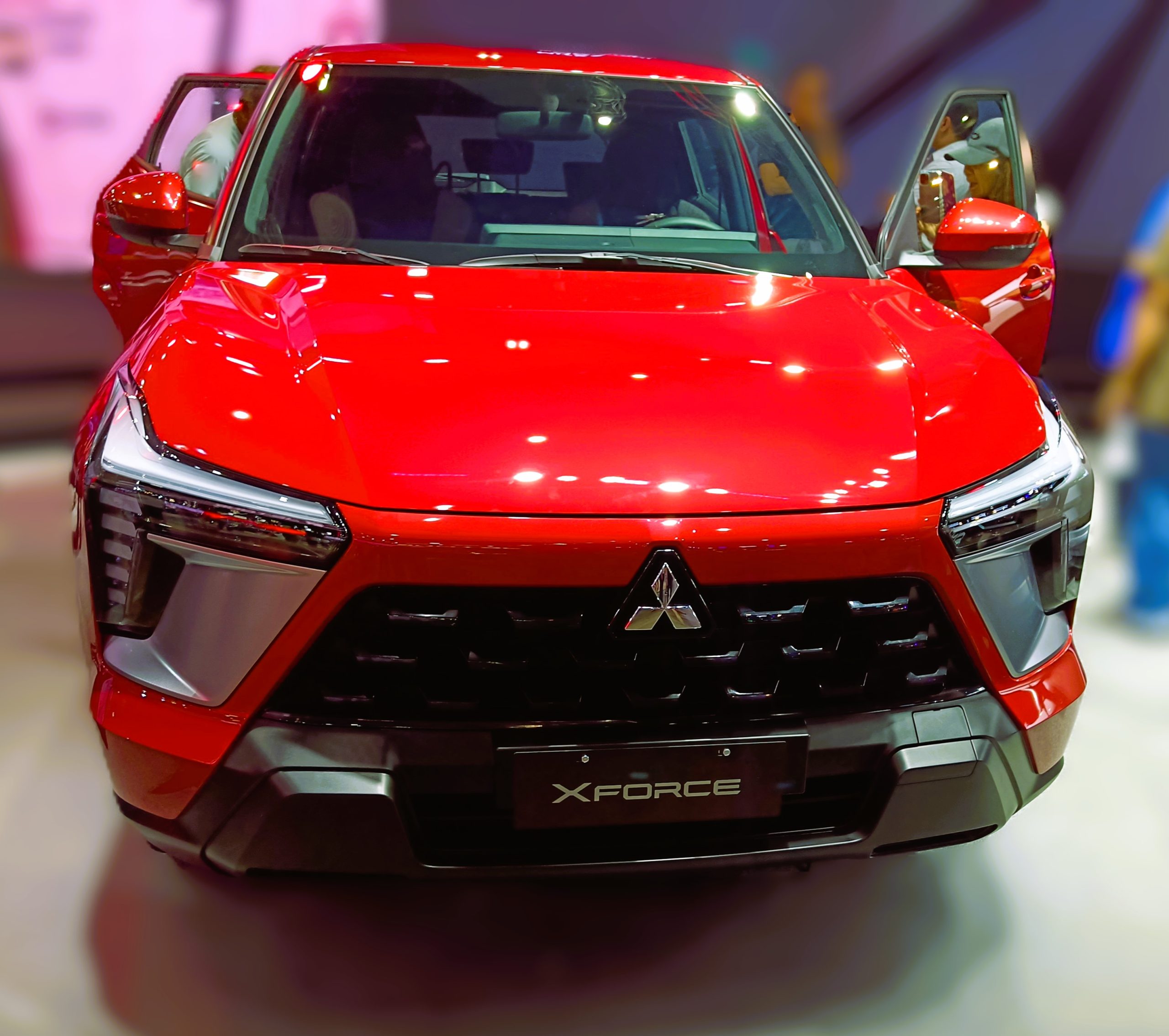
While it keeps the dependable 1.5-liter Mivec engine (104 hp, 141 Nm) and smooth CVT (sorry, not HEV yet), the GLX swaps the 2-tone roof for a clean, uniform look, moves to 17-inch monotone alloys, and features simplified black bumpers. Importantly, it maintains its commanding 219mm ground clearance and distinctive LED lighting signature. The interior shifts toward durable comfort with gray fabric upholstery, a urethane steering wheel, and an 8-inch touchscreen. Safety remains a priority, with dual front and side airbags, a reverse camera, and Active Yaw Control (AYC) to ensure it stays planted on city streets.
Toyota Land Cruiser FJ: Navigating the expansive floor of the Toyota pavilion—unquestionably the most magnificent exhibit at this year’s PIMS—my attention became fixed on a machine I have tracked for years: the all-new Land Cruiser FJ.
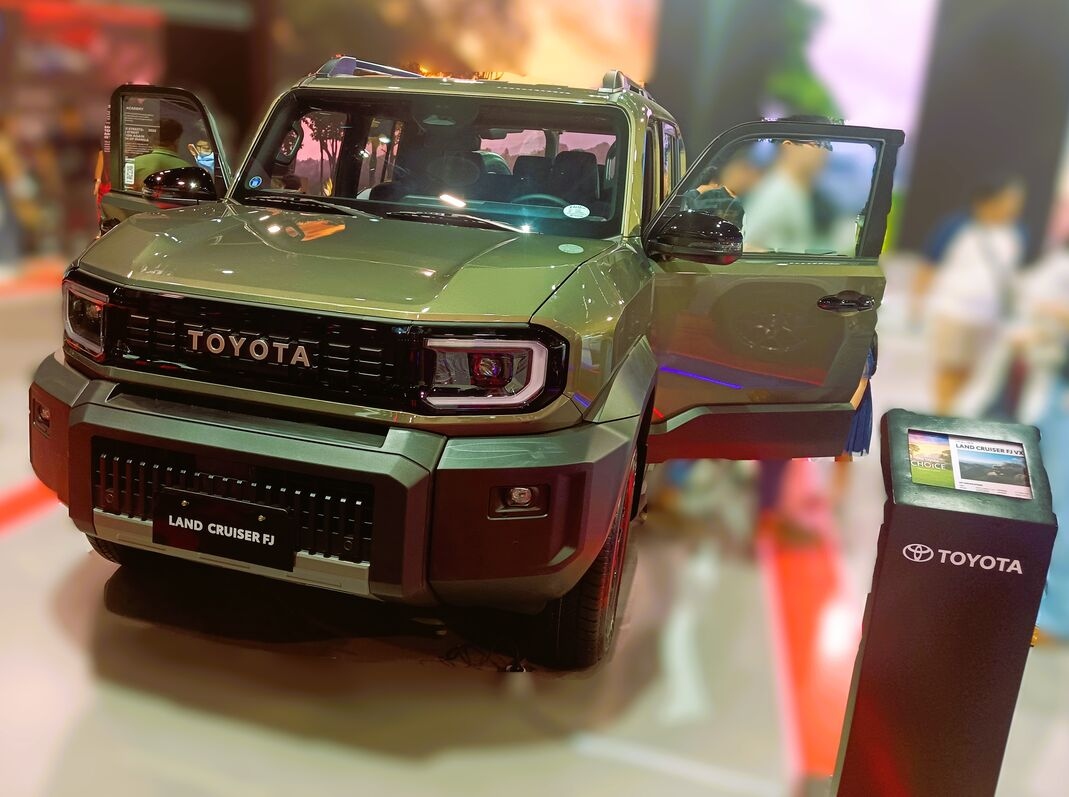
For the purist, the authentic charm resides beneath that retro-inspired metalwork. Rather than adopting the premium TNGA-F architecture, the FJ employs a rugged, shortened iteration of the IMV platform. This configuration provides a genuinely robust, body-on-frame foundation shared with the legendary Hilux and Fortuner—testament that true mechanical toughness has not been sacrificed in the crossover era.
Visually, the FJ VX grade satisfies every enthusiast requirement. It features a boxy, muscular silhouette that serves as a profound tribute to the iconic FJ40. With its distinctive U-shaped LED headlamps, flared fenders, and a commanding profile, it possesses significant road presence despite its compact dimensions.
Spanning only 4,575 mm in length with minimal overhangs, its 2,580 mm wheelbase is a remarkable feat of packaging—it is actually shorter than the 2,600 mm wheelbase found in the beloved 2001-2006 “Brad Pitt” Corolla Altis! This abbreviated wheelbase facilitates a tight 5.5-meter turning radius, ensuring it is as proficient at threading through narrow urban corridors as it is traversing dense mountain trails.
In terms of performance, the FJ is currently motivated by Toyota’s nearly indestructible 2.7-liter naturally aspirated 2TR-FE gasoline engine, delivering a reliable 163 PS and 245 Nm of torque. This is paired with a 6-speed automatic gearbox and a sturdy part-time 4×4 system.
While this setup is celebrated globally for its enduring reliability, I share the sentiment of many local enthusiasts in hoping that Toyota Motor Philippines (TMP) eventually introduces the high-torque 2.4-liter 2GD-FTV turbodiesel found in the Fortuner G and V variants.
Regardless, for those seeking an adventure-ready machine that eschews modern, delicate complexities, this straightforward powertrain will be more than adequate. The Land Cruiser FJ is a definitive highlight of the show, illustrating that looking to the past is often the ideal way to advance.
Side Note: While browsing the price list, I was surprised to discover another available variant: the Land Cruiser FJ TX.
Admittedly, the nomenclature initially conjured up amusing images of a public fleet taxi—my apologies to TMP—but it immediately piqued my curiosity. However, when I asked around the booth to find out what the TX trim looks like, no one could provide an answer, and a quick online search turned up zero YouTube vlogs. It looks like we will just have to wait for TMP’s official product launch to see what this mystery variant brings to the table.
Toyota Hilux BEV: It was at the 10th PIMS where I finally laid eyes on what was buzzed about as the “all-new” Toyota Hilux. After chatting with like-minded industry friends to cut through the marketing fluff, we agreed that this is less of a ground-up platform redesign and more of a masterful mechanical massage combined with a heavy dose of cosmetic plastic surgery. The result is undeniably sharper, bringing a refreshing, aggressive aesthetic to a familiar and well-loved silhouette.
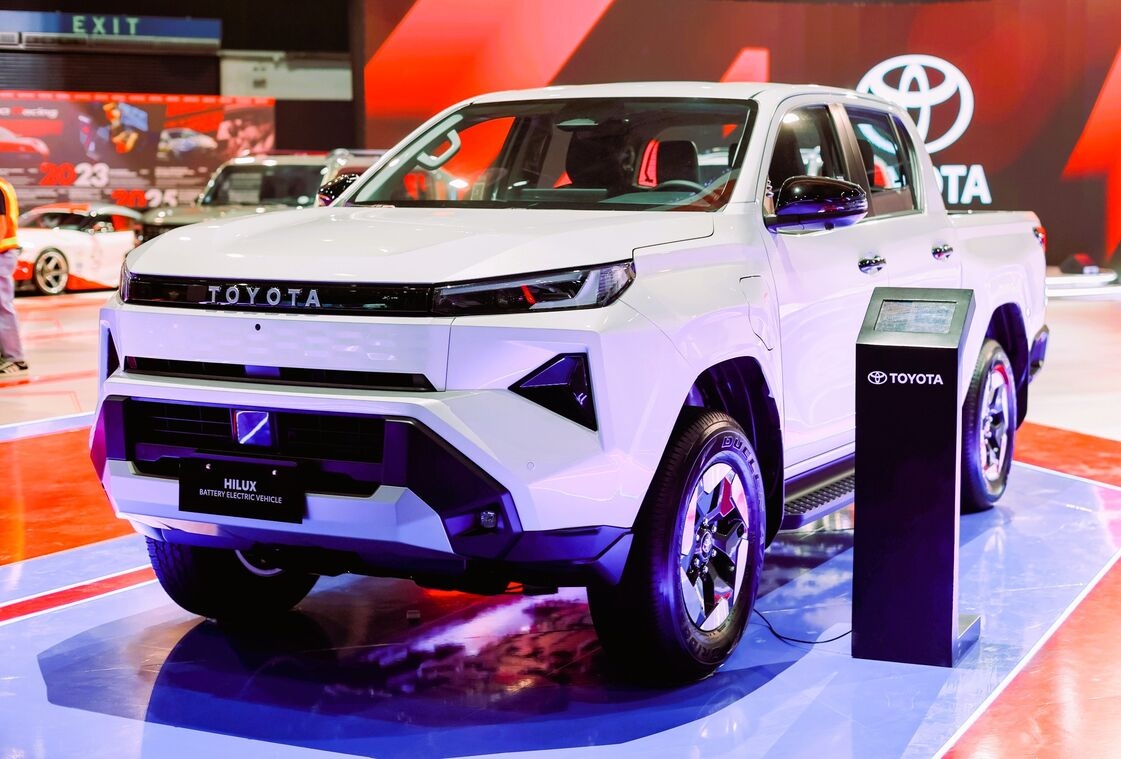
However, the real shockwave occurred when I peered under the hood of the display’s top-tier variant. Nestled within the bay was a pure battery-electric powertrain, signaling the truck’s official entry into the competitive new energy vehicle (NEV) arena. A quick look underneath confirmed the radical transformation, as there was no exhaust tailpipe in sight. For enthusiasts who thought the recently launched BYD Shark 6 PHEV had set the high-water mark for electrified utility, Toyota just raised the benchmark. The undisputed star of the Toyota pavilion, the Hilux BEV, marks the nameplate’s historic first foray into pure electrification in the country, spearheading the brand’s aggressive push toward localized carbon neutrality.
Visually, the Hilux BEV commands immediate presence through Toyota’s new “Cyber-Sumo” design language. It trades the diesel variant’s rugged honeycomb mesh for a distinctively sleek, fully sealed body-colored grille. Draped in an exclusive Platinum White Pearl Mica finish, it radiates a clean, futuristic aesthetic without compromising its legendary utilitarian backbone. This zero-emission workhorse features a dual-motor all-wheel-drive layout generating a combined 196 PS of power, balanced by 200 Nm of torque at the front axle and 269 Nm at the rear. Powering the system is a 59.2 kWh lithium-ion battery pack that delivers a rated EV range of 315 km under the NEDC cycle, supported by both Type 2 AC and CCS2 DC fast-charging compatibility.
Inside, the truck’s traditional spartan roots give way to a genuinely premium cabin. The space is heavily upgraded with plush synthetic leather upholstery, modern shift-by-wire controls, and a massive 12.3-inch infotainment display featuring wireless Apple CarPlay. Safety is equally uncompromised, anchored by the comprehensive Toyota Safety Sense 3.0 suite and a crisp panoramic view monitor. Ultimately, the Hilux BEV successfully proves that the future of lifestyle trucking doesn’t have to sacrifice legacy durability for environmental sustainability.
Nissan Primera EN (N7): There was a time when Nissan ruled the local asphalt with classic three-box silhouettes. For those of us who grew up with the brand since the 1980s, nameplates like the Sentra, Maxima, Cefiro, Bluebird, Stanza, and Altima were permanent fixtures in Filipino garages. Yet, by the turn of the 2010s, Nissan’s traditional sedans began quietly fading away from local showrooms, eventually leaving the subcompact Almera as the brand’s solitary survivor in a market heavily obsessed with high-riding utility vehicles. Seeing Toyota continuously work hard to sustain a comprehensive sedan lineup always leaves me harboring a quiet hope for a genuine segment renaissance. I have long crossed my fingers that other mainstream manufacturers would follow suit and breathe fresh life into the traditional four-door configuration.
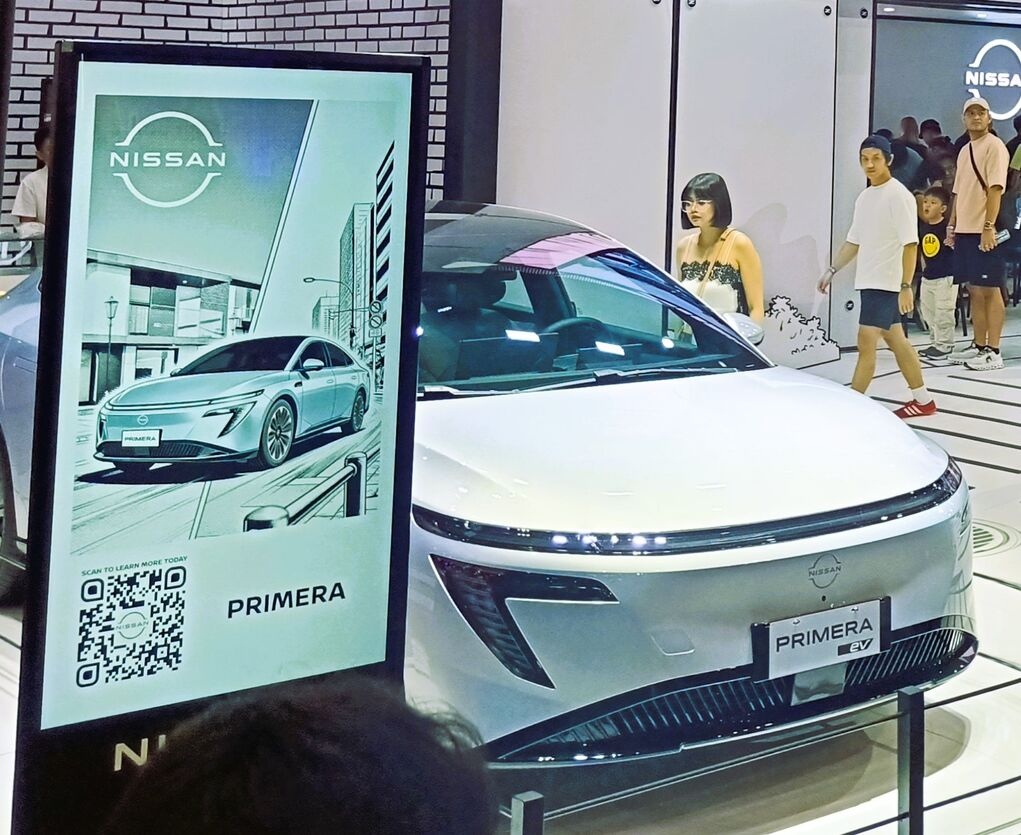
That long-awaited comeback may have finally arrived in a highly unexpected, high-tech package. Nissan completely electrified the motoring crowd at the 10th PIMS by resurrecting a beloved 1990s global badge for the modern era, introducing it to local shores for the very first time. Standing proudly at their “Art of Daring” pavilion was the Primera EV, a stunning, midsize battery-electric sedan that marks a monumental pivot for the Japanese automaker’s local portfolio. Sourced from Nissan’s joint venture in China, where it is originally known as the N7, this new-age saloon completely sheds its historical internal combustion roots in favor of a dedicated, advanced electric platform.
Visually, the Primera EV is an aerodynamic masterpiece, trading old-school angular body lines for an incredibly smooth, minimalist fastback silhouette. The exterior design is punctuated by striking, full-width front and rear LED lightbars, beautifully anchored by an illuminated Nissan emblem on the nose and a matching backlit badge at the tailgate. Beneath this premium, tech-forward sheet metal lies a front-wheel-drive electric motor capable of delivering either a composed 215 horsepower or a more spirited 268 horsepower, paired with a stout 305 Nm of immediate torque. Depending on whether local buyers opt for the 58 kWh or the larger 78 kWh battery pack, this sleek cruiser promises an impressive driving range stretching anywhere between 510 and 635 km on a single charge, signaling a sophisticated and truly silent return to form.
Honda Prelude: Ever since its local arrival in 1994, I have firmly regarded the Honda Accord as the absolute flagship of Honda Cars Philippines, easily overshadowing larger family offerings like the Odyssey and Legend. My fascination grew as the mid-size executive saloon expanded beyond traditional 2.0-liter limits, treating buyers to punchy VTEC powerplants and a pinnacle 3.5-liter V6 back when fuel prices were highly reasonable. Sadly, the inevitable decline of the traditional mid-size saloon segment became clear when the downsized 1.5-liter turbo of the 10th-generation model debuted in 2019, only for the historic nameplate to be silently retired in 2022. It was a somber departure for an industry icon, but it paved the way for a highly unexpected spiritual successor.
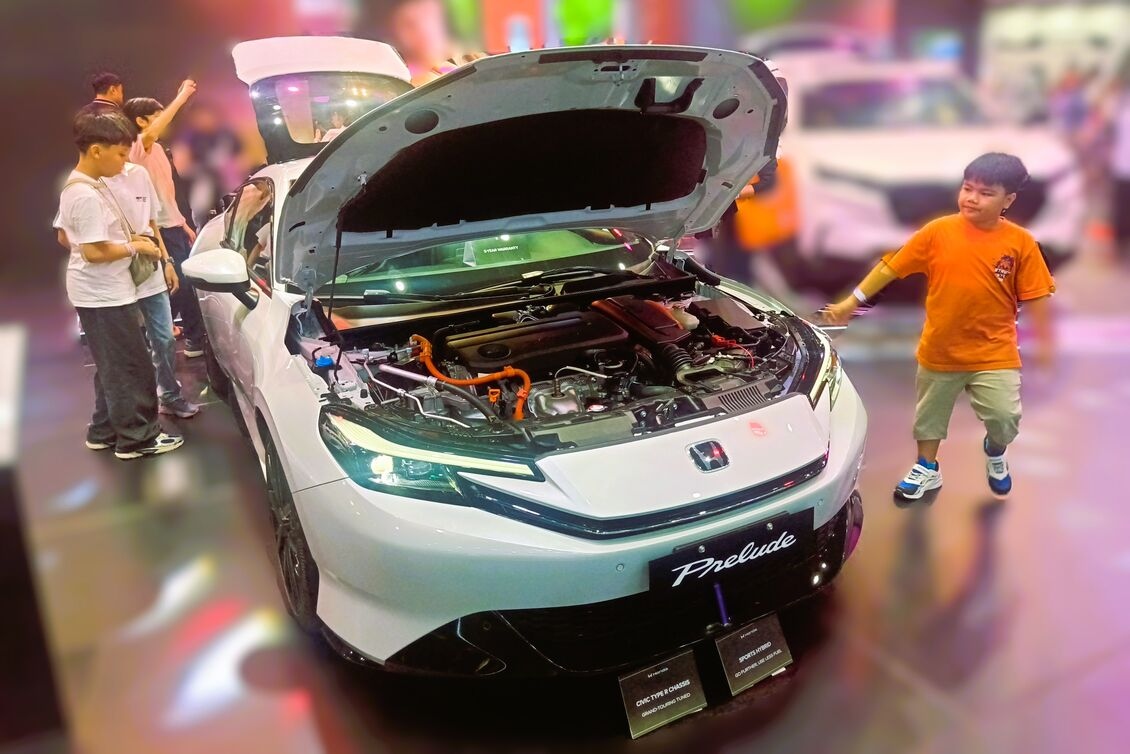
Enter the all-new Honda Prelude, which I now gladly recognize as the Japanese automaker’s true new flagship—even if it breaks convention by adopting a sleek, two-door coupe configuration. Developed under Honda’s evocative “Unlimited Glide” design philosophy, this sophisticated, tech-laden hybrid sports coupe commands a magnetic presence on the exhibition floor. It trades standard three-box geometry for a low, wide fastback profile distinguished by fluid lines, aggressive 19-inch Berlina Black alloy wheels, and eye-catching blue Brembo brake calipers.
Beneath this striking sheet metal sits a refined 2.0-liter Atkinson-cycle engine seamlessly paired with Honda’s acclaimed e:HEV full hybrid architecture, generating a combined 182 horsepower and a punchy 315 Nm of instant torque. Rather than muting driver engagement, the E-CVT system debuts Honda’s innovative S+ Shift technology. Designed to appease analog purists, this software virtually simulates distinct gear changes, perfectly synchronizing the hybrid power delivery with evocative audio notes, dynamic instrument cluster animations, and physical seat vibrations.
Inside, the driver-centric cockpit balances raw sportiness with everyday practicality, boasting premium perforated leather sport seats, a floating 10.2-inch digital cluster, and a 9-inch touchscreen embedded with built-in Google Automotive Services. Complete with the full suite of Honda Sensing safety features and a generous 760-liter cargo capacity, the Prelude brilliantly proves that emotional, fun-to-drive performance can proudly lead a brand into a new era.
Chery Q EV: Chery’s automotive journey in the Philippines has historically been characterized by a series of high-profile entries and subsequent exits, leaving local buyers understandably cautious. This time around, however, Chery Auto Philippines feels genuinely promising. Making massive waves at the 10th PIMS, the brand completely reinvented one of its most nostalgic nameplates for the electric era with the official debut of the all-new Chery Q EV. Priced competitively at ₱1,120,000, this premium, character-driven subcompact contender marks a radical departure from the spartan, toy-like Chery QQ hatchbacks that populated local roads in the early 2000s.
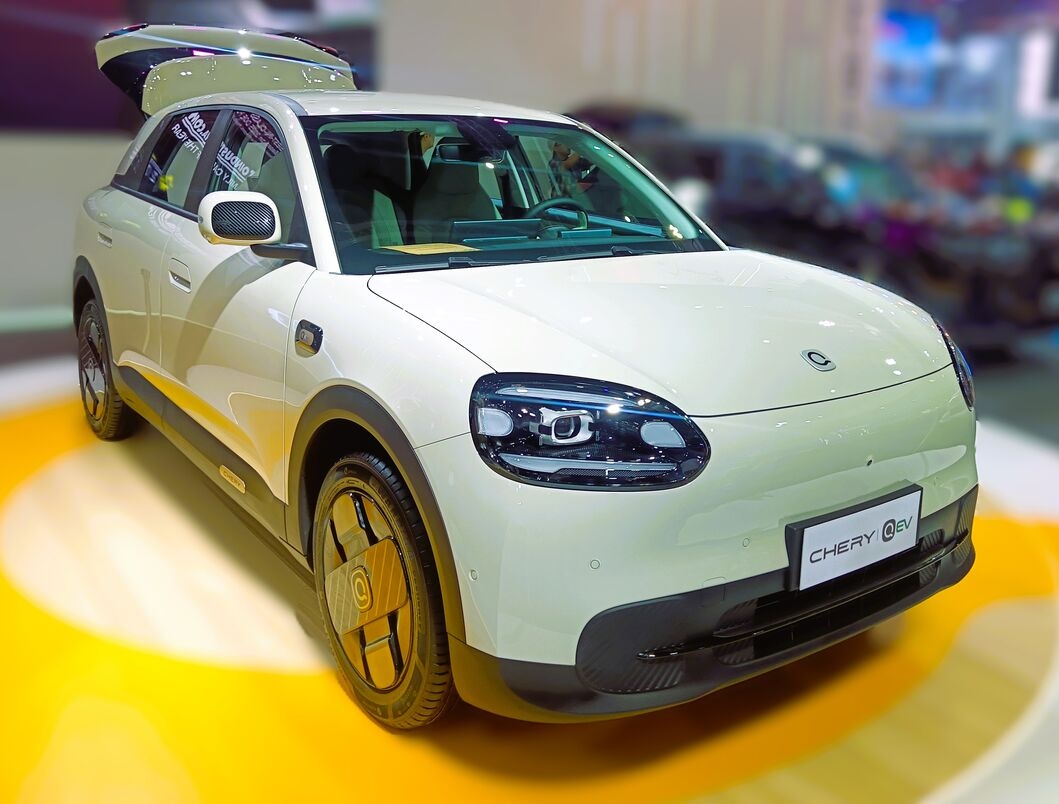
Having already secured prestigious global accolades like the Red Dot and iF Design Awards, the Q EV effortlessly commands attention with its “square within round” aesthetic, bubbly silhouette, pop-out semi-hidden door handles, and signature Q-shaped LED projector lighting. Beyond its playful curb appeal, the biggest revelation is its unexpected interior roominess. During a quick 10-minute test ride around the World Trade Center while my friend took the wheel, I had a firsthand taste of this superb packaging. Flooded with cool air and boasting a generous cabin layout, the space became a welcome sanctuary after I had already logged 9,000 grueling steps across the massive exhibition floor. Glancing easily at the crisp center touchscreen from the passenger seat, I fully embraced my “senyorito mode,” emerging completely recharged and ready for another 4,000 steps of car spotting.
Mechanically, the Q EV shatters the compromises typically associated with entry-level commuter EVs. It utilizes a dedicated rear-wheel-drive platform with independent rear suspension, driven by a rear-mounted motor pushing out 120 horsepower and 115 Nm of torque for sharp city handling. Its Lithium Iron Phosphate battery delivers a highly competitive driving range of up to 405 km on a single charge, while DC fast-charging can juice the pack from 30 to 80% in a mere 16.5 minutes. Inside, the tech-forward cabin is anchored by a massive 15.6-inch 2.5K Ultra HD touchscreen driven by a flagship Qualcomm Snapdragon 8155 processor, complete with ventilated seats, a 540-degree camera system, and an advanced Level 2 ADAS suite.
Omoda Jaecoo J5 SHS-H: as Chinese automotive brands continuously capitalize on the surging NEV trend—especially with global geopolitical tensions keeping local pump prices volatile—one particular crossover has managed to completely disrupt my radar. Amid a sea of battery-powered options, the newly introduced Jaecoo J5 SHS-H instantly demands attention, heavily undercutting the competition with a sophisticated hybrid powertrain and a highly aggressive price tag of just P999,000.
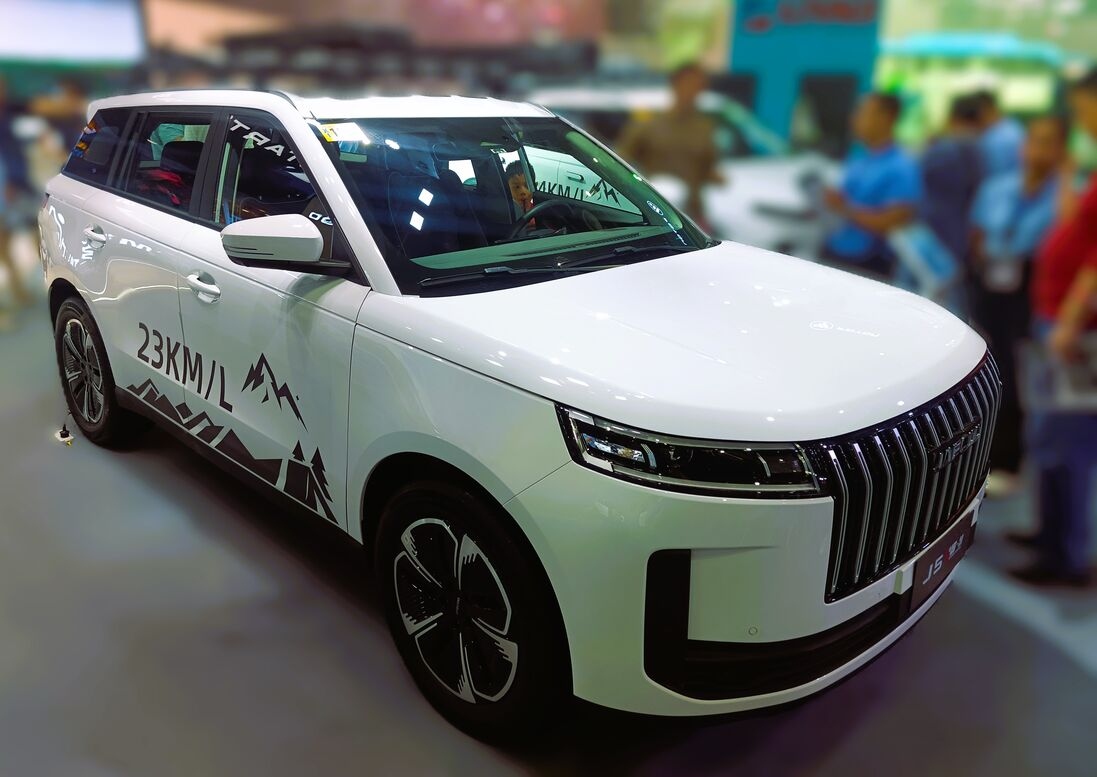
Officially launched at the Manila International Auto Show (MIAS) in April 2026, this advanced compact SUV from Chery’s premium global export umbrella represents a major step forward for accessible electrification. The “SHS-H” designation stands for Super Hybrid System-Hybrid, denoting its status as a self-charging hybrid electric vehicle (HEV). It is an ideal bridge for Filipino motorists who want the benefits of electrification without the dependency on a still-evolving charging infrastructure.
Beneath its hood sits a refined 1.5-liter turbocharged 4-cylinder gasoline engine seamlessly paired with a high-output electric motor. Power is channeled through a single-speed dedicated hybrid transmission (DHT), generating a combined system output of 221 horsepower and a muscular 295 Nm of torque. This setup allows the compact crossover to sprint from a standstill to 100 kph in a brisk 7.9 seconds, while maintaining an incredible fuel economy rating of 23.28 km/liter. Coupled with its 51-liter fuel tank, the J5 boasts an overall driving range of up to 980 km on a single fill-up, effectively rendering range anxiety non-existent.
Visually, the J5 measures an urban-friendly 4,380 mm in length with a reassuring 176 mm of ground clearance, striking a neat balance between city maneuverability and the rugged, boxy styling cues of premium luxury off-roaders. Stepping inside the five-seater cabin reveals a prominent 13.2-inch portrait touchscreen infotainment system, but the real talking point is its unique, “pet-friendly” cabin architecture. The interior is thoughtfully lined with low-VOC, scratch-resistant, and antibacterial faux leather upholstery alongside an automated dual-zone climate filtration system explicitly tailored to accommodate animal companions, proving that high-tech efficiency can also be incredibly practical for the modern lifestyle.
Aside from documenting the 10 premier automotive marvels of the show, my exploration of the exhibition floor—which eventually exceeded a staggering 18,000 steps—was marked by several particularly memorable and engaging diversions:
Navigating toward the Suzuki pavilion at the PIMS, the debut of the all-new e-Vitara was truly arresting. Adopting a rugged, evocative “Metal Beast” design philosophy, this electric crossover represents a profound departure from internal combustion, featuring a potent 174 hp motor and a substantial 475-km range, all managed from a sophisticated, dual-display digital sanctuary.
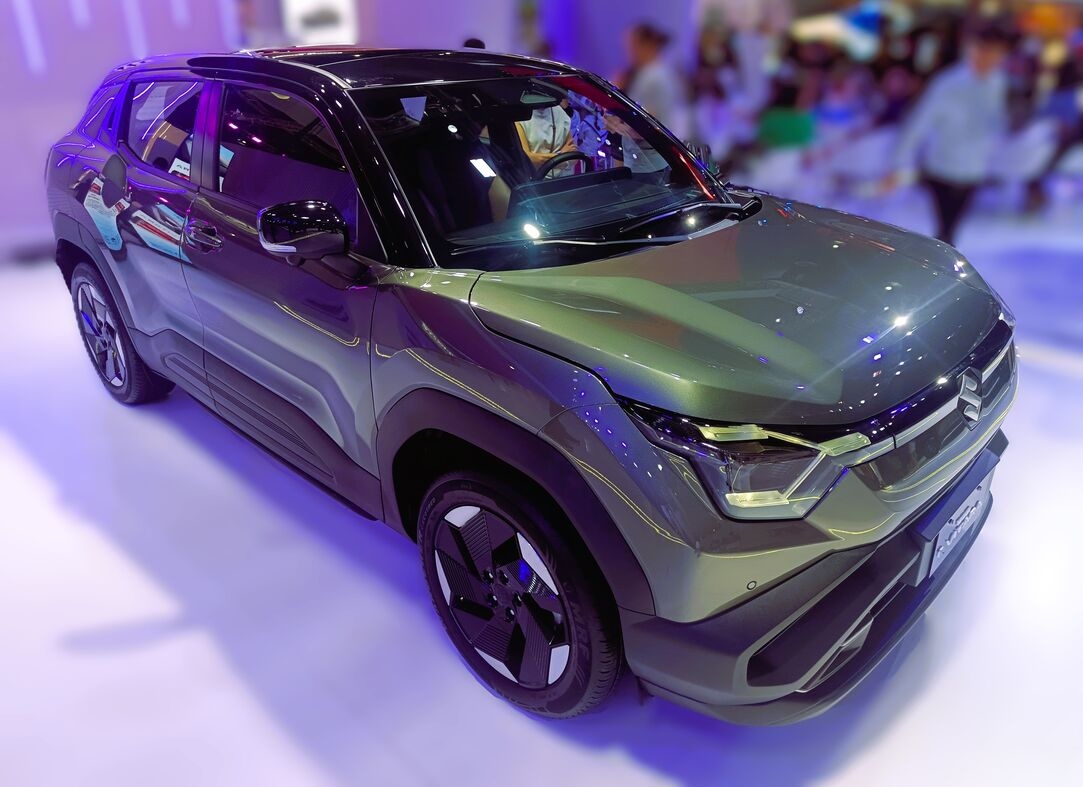
While the futuristic sheet metal was undoubtedly impressive, an unexpected cultural tribute stole the limelight. To honor their Japanese ancestry while signaling a courageous leap into electrification, the Suzuki staff were dressed in modernized, high-tech kimonos that mirrored the pavilion’s sleek aesthetic.
Departing from the heavy, traditional layers of the past, these garments offered a contemporary silhouette through structured, kimono-inspired jackets and wrap dresses. The design retained the iconic crossover neckline and draped sleeves, yet featured clean, architectural lines that provided a professional and functional appearance. Finished in a crisp palette of white and signature corporate blue with subtle metallic accents, the attire radiated a clean-energy vibe. It became a definitive highlight of the floor—so much so that it sparked numerous conversations, even leading me to jokingly inquire if a custom-tailored version could be made for my own collection.
‘Performance anxiety’ at the RC challenge
While a large portion of the crowd gathered for the musical performance of Rob Deniel, a far more visceral motorsport experience was unfolding nearby at the Ralliart RC Challenge. This interactive exhibit provided a high-stakes diversion for visitors, offering a physical connection to the brand’s performance heritage.
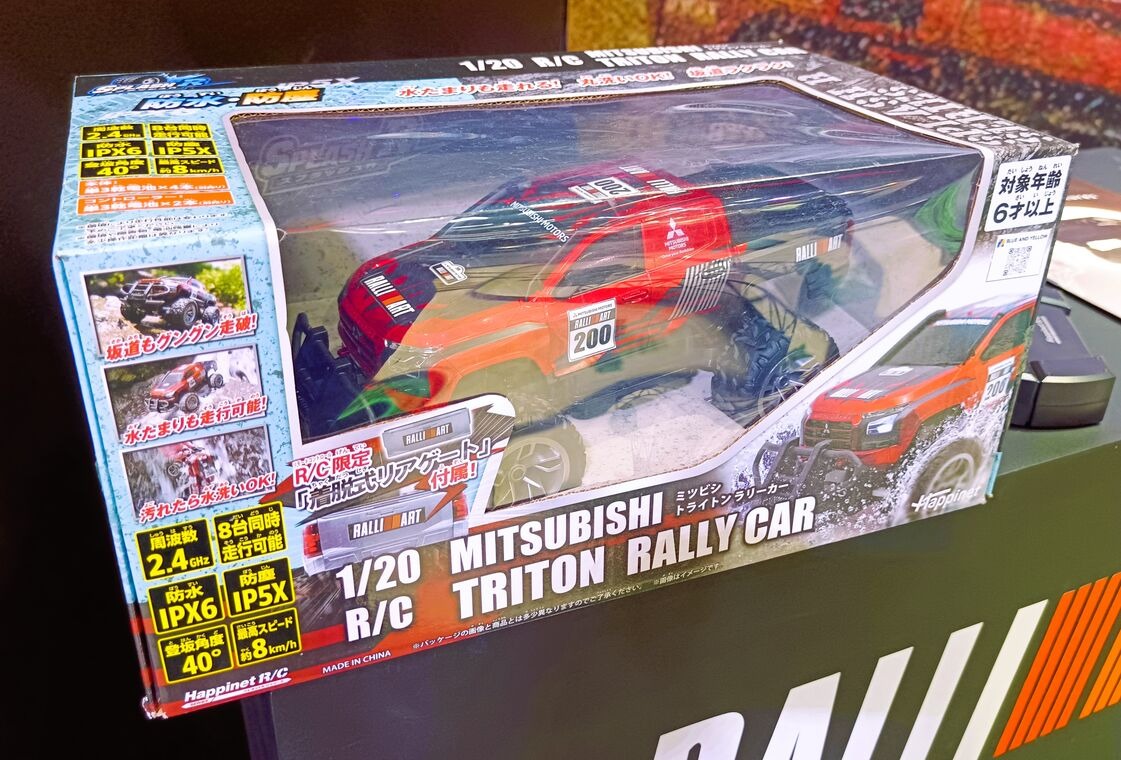
It had been decades since I last handled a remote-controlled machine, and this was far from a simple toy. The challenge utilized remarkably detailed 1:20 micro-scale iterations of the Mitsubishi Triton rally truck. The course itself was a technical masterpiece of miniature engineering, featuring sandy trails, synthetic turf, and wooden obstacles, all overseen by a full-sized Ralliart pickup and a glowing digital timer.
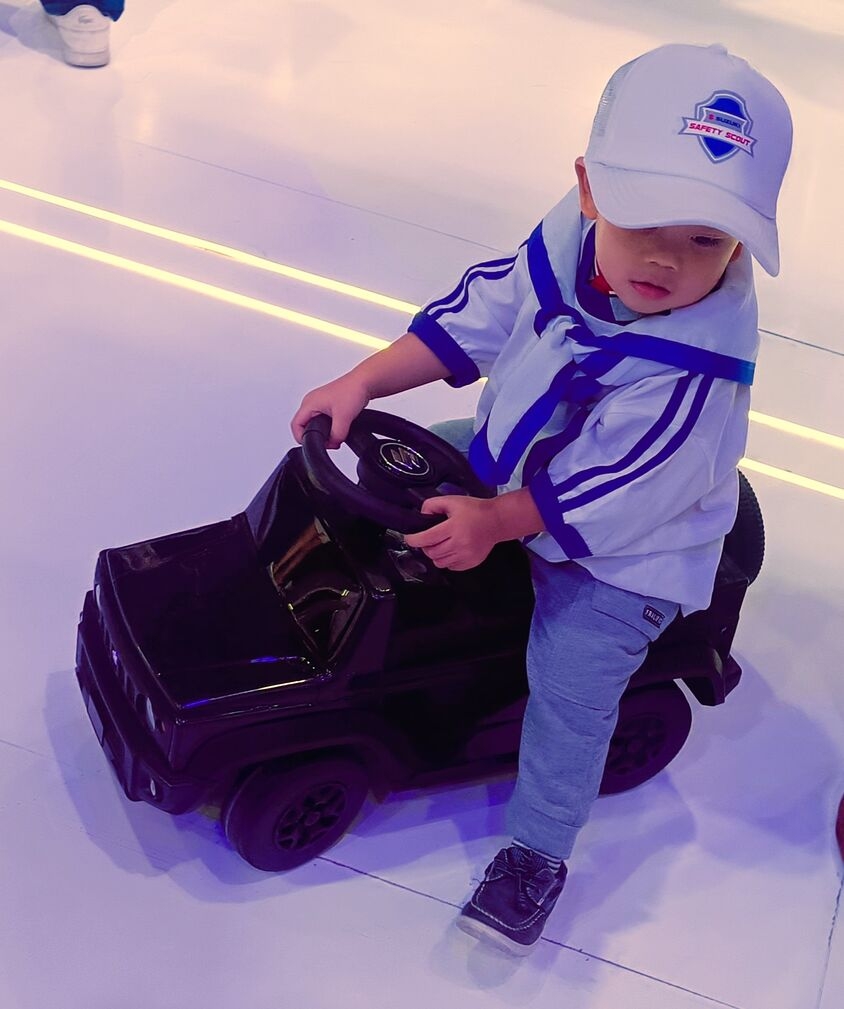
Kidding! Just a random kid at PIMS starting his own motoring
journey in life pretty early
Guiding the diminutive red Triton through the tight corners required absolute focus, yet my long-dormant reflexes were noticeably inadequate. Every time the machine veered off-course or became high-centered, I was forced to manually intervene. During my grueling three-and-a-half-minute run, the gathered spectators and crew watched with patient observation. My frequent errors induced a genuine sense of performance anxiety, serving as a visceral reminder that the Ralliart spirit demands precision, regardless of the scale. It also serves as a timely reminder that the Triton is set to compete in the 2026 Asia Cross Country Rally—here is hoping for another historic victory!
Wandering through the Hall Extension, a familiar yet distinct silhouette commanded my attention: The new Tesla Model Y-L. What was immediately apparent was its subtle increase in dimensions compared to the standard variant. While it requires a discerning eye, a closer inspection reveals an expansive glass greenhouse and a noticeably elongated wheelbase. Stepping inside, I was impressed by the generous packaging, particularly in the rear rows, which provide a level of stretch-out luxury that local families will surely value.
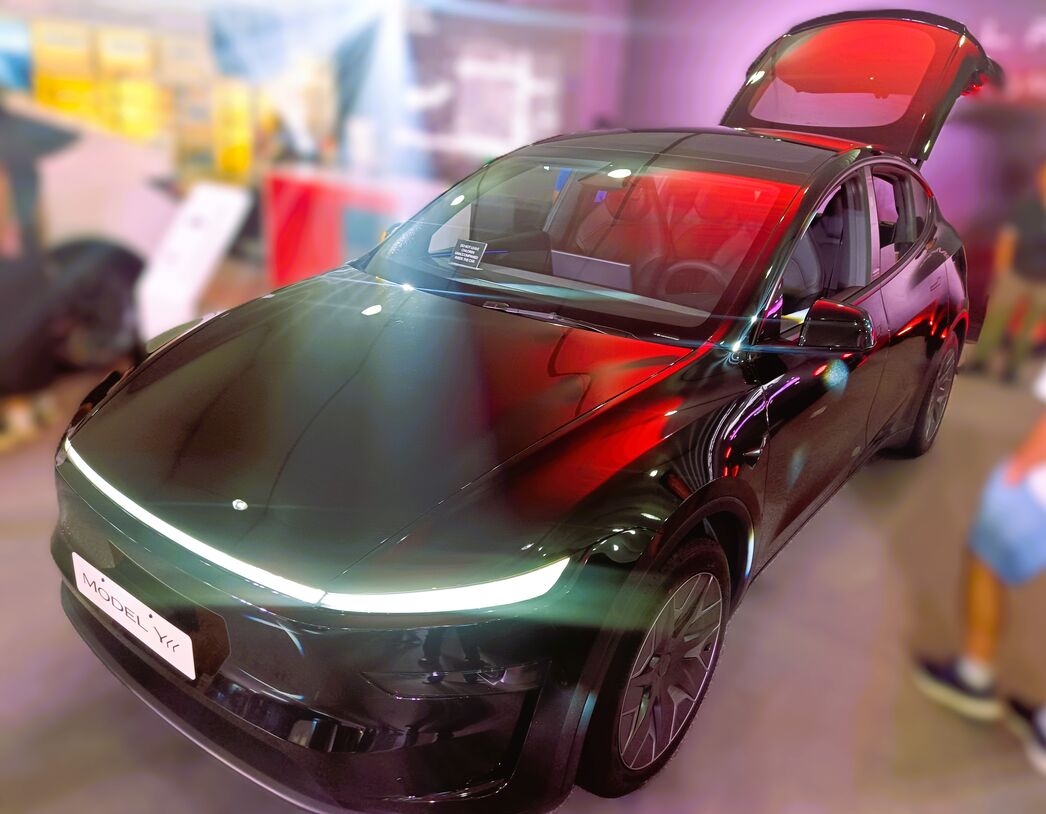
However, as I was exploring the minimalist cabin, I was met with a significant surprise. The onboard voice assistant suddenly addressed me in fluent Tagalog! This is the result of Tesla’s integrated Grok AI, which has been sophisticatedly localized to comprehend and speak our native language.
I found the experience with Grok remarkably relatable. We have all encountered those chaotic traffic scenarios where English becomes insufficient and we instinctively revert to Tagalog to express ourselves. Having a high-tech electric machine do the same is not just a feat of technical localization; it creates an environment where the driver feels instantly more at home. It appears this futuristic titan possesses a genuinely Pinoy heart.

As the curtains close on the milestone 10th PIMS, one reality remains crystalline: We are witnessing a pivotal automotive evolution. Even for those whose mindsets remain firmly anchored to the timeless appeal and romance of legacy brands, the shifting of the tide is impossible to ignore. The grand showcase laid bare a resilient industry aggressively moving to meet the surging Filipino demand for electrified vehicles, standing remarkably steadfast despite the economic headwinds and pressures of ongoing geopolitical conflicts.
This was never merely a sterile exhibition of sculpted steel and silicon; it was a profound testament to how our local automotive narrative is meticulously harmonizing rich heritage with hyper-modernity. From the nostalgic callbacks of institutional marques to the highly intelligent, localized connectivity of the newest EVs, the industry is decisively charting a course toward a future where global sustainability becomes a tangible reality—one that remains, at its very core, distinctly Filipino.
To know more about PIMS, check out its official Facebook page: https://web.facebook.com/PhilippineInternationalMotorShow/?locale=tl_PH&_rdc=1&_rdr#.