

By Tessa R. Salazar
In 2021, news broke that MINI and BMW were abandoning animal-based leather in favor of vegan upholstery. Carbuzz quoted MINI’s chief design officer Oliver Heilmer when he announced that the brand no longer needs leather: “Because we don’t believe it’s sustainable.”
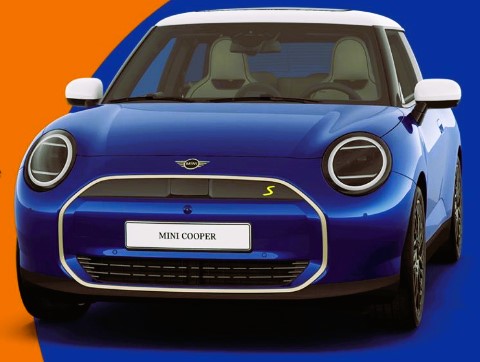
With MINI phasing out leather across its vehicle lineup—beginning with new-generation models like the J01 MINI Cooper and U25 Countryman—expect progressive drivers to buy into the brand’s fully vegan interior approach. These are forward-thinking younger generations who refuse to ignore the “unbearable beatings” of helpless beings—the rightful owners of these skins. Truly, how can one hug a child’s furry companion dog or cat while driving a car lined with the skins of tortured, defenseless creatures?

Instead of the skins of innocent beings, MINI is utilizing Vescin, a premium, 100% vegan, and recyclable synthetic material for seats and surfaces. Throughout 2025, reports showed MINI heavily utilizing Vescin to replace traditional leather across their new vehicle lineup (including the J01 Cooper and J05 Aceman). Vescin offers a sustainable, high-quality, and durable alternative that enhances the interior’s eco-conscious feel. This proprietary material is designed to be supple, easy to clean, and entirely recyclable.
MINI isn’t abandoning the luxury feel; rather, it aims to redefine it. The new steering wheels and seats are designed to feel even more supple than previous leatherette options. While the new generation moves to fully vegan interiors, this change has been phased in, starting with the latest electric and crossover models.
New luxury benchmark
Beyond replacing leather, MINI is increasing its use of recycled materials, with seat fabrics made from 100% recycled textiles and linings using 70% recycled materials. The interior design aims for a “home-like” feel rather than traditional automotive aesthetics.
The technology-loving team at TessDrive is embracing this new luxury. We are letting go of the outdated notion that “premium” is defined by animal hides and rare woods. The new benchmark for design is innovation, intelligence, and ethics. Materials born from recycled ocean plastic, sustainably managed forests, and the root systems of mushrooms are not just alternatives; they are superior, telling a story of progress and responsibility that traditional materials cannot match.
Guilt-free driving, cruelty-free luxury
As we wrote in July 2025, the shift toward sustainable and cruelty-free cars is not a fleeting trend; it is a fundamental reimagining of automotive materials. On the horizon, a new wave of bio-based materials is moving from the laboratory to the production line, promising a future where our cars are grown, not just manufactured.
These emerging technologies point toward a vehicle that is not only less harmful but actively in harmony with natural cycles:
Mushroom leather (Mycelium): One of the most promising leather alternatives comes from the root structure of mushrooms. Companies like MycoWorks have developed Fine Mycelium, which grows a dense material with the look and feel of high-quality animal leather. General Motors has already invested in this tech, collaborating with Cadillac to develop bio-based materials for high-performance interiors.
Pineapple leather (Piñatex): Created from the long fibers of discarded pineapple leaves, this non-woven textile provides additional income for farming communities. It has already made its automotive debut in concept cars like the Renault Emblème. Being lighter and less expensive than traditional leather, its potential for wide adoption is massive.
Nature as a design lab
Automakers are now experimenting with an incredible array of bio-based sources:
Food waste: A study by the Callum design group found that materials like coffee pulp, eggshells, and expired rice can be mixed with resin to create durable surfaces for interior trim.
Agave fibers: Ford has partnered with Jose Cuervo to explore using agave harvesting byproducts to create lighter bioplastics for wiring harnesses and storage bins.
Natural fibers: Flax, hemp, and kenaf are replacing petroleum-based plastics. These materials are lightweight and sequester carbon as they grow. The Volvo EX30 and Polestar 3 already use flax-based composites for interior panels.
These advancements represent more than just material substitution. They signify a philosophical shift toward a circular design ethos, where our vehicles are part of a renewable cycle of growth, use, and decomposition.
To know more about MINI, and its complete lineup of vehicles in the Philippines, visit https://www.mini.com.ph/