
Mitsubishi Motors Corp announced April 6 its intention to participate in the Philippine government’s electric vehicle promotion program, the Electric Vehicle Incentive Strategy (EVIS) in a meeting between President Ferdinand Marcos Jr and Mitsubishi Motors chief executive officer Takao Kato.
Subject to the approval of Mitsubishi Motors’ application to join EVIS, Mitsubishi Motors Philippines Corp (MMPC)—Mitsubishi Motors’ production and sales company in the Philippines — plans to begin production of a new hybrid electric vehicle (HEV) model at its plant in Santa Rosa City, Laguna, around the middle of calendar year 2028.
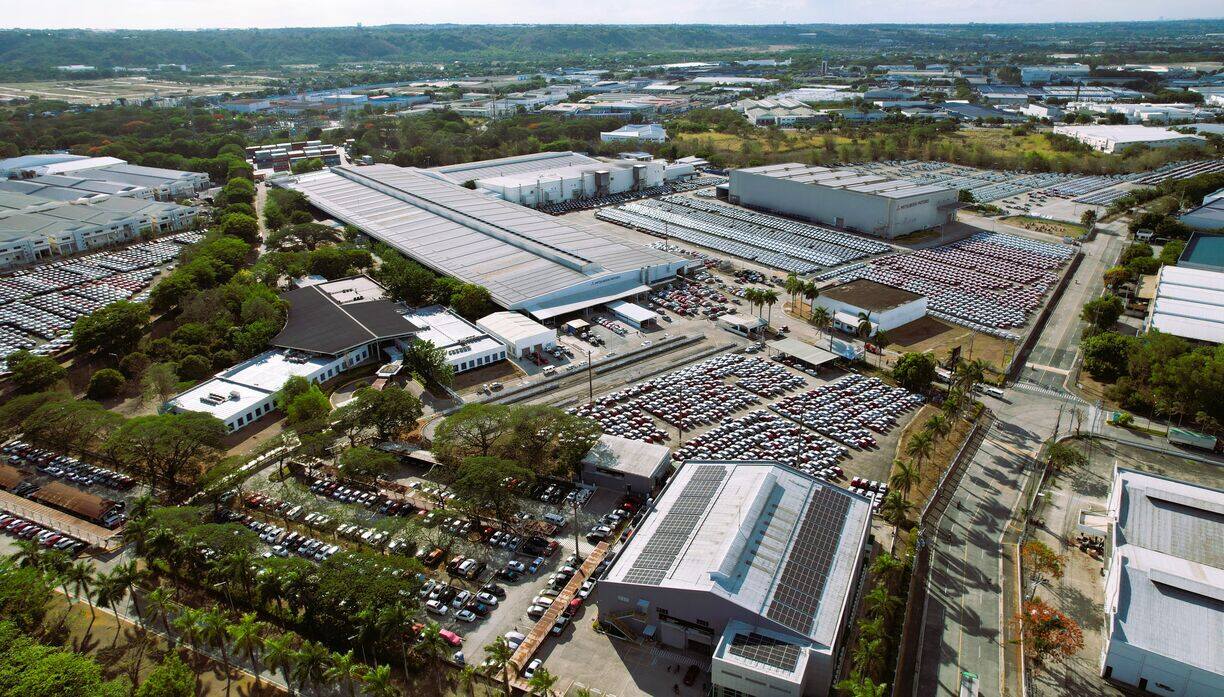
In line with the start of production of the new HEV model, MMPC is planning additional investments, including enhancements to its facilities to support electrification. These initiatives will contribute to expanding the local supply chain and generating employment opportunities in the region.
During the meeting, Kato said, “The Philippines has long been one of our most important markets, where we have engaged in production and sales for many years. In cooperation with the Philippine government, we are honored to contribute to the advancement of vehicle electrification and industrial development through the EVIS program, as well as to support the further growth of the Philippine economy.”
A legacy of electric innovation
Mitsubishi Motors is no stranger to the electrified landscape. The brand solidified its reputation as a global leader in new energy vehicles (NEVs) with the introduction of the Outlander PHEV, the world’s first plug-in hybrid SUV. Since its debut, the Outlander PHEV has served as a benchmark for combining the versatility of a family vehicle with the efficiency of an electric drivetrain, proving that sustainable mobility could be practical and long-ranged without the immediate need for a massive charging infrastructure.
Beyond hybrids, Mitsubishi’s electric DNA stretches back even further to the i-MiEV, one of the world’s first mass-produced highway-capable electric cars. This historical expertise in battery management and electric motor efficiency provides a solid foundation for the new HEV model slated for the Santa Rosa plant.
Strengthening the local manufacturing footprint
The decision to assemble HEVs in Santa Rosa marks a pivotal shift for MMPC, moving beyond traditional internal combustion engines (ICE) toward a more sustainable manufacturing core. This move aligns with the company’s “Challenge 2025” mid-term business plan, which emphasizes a “regional growth strategy” for the Asean market. By localizing the production of high-tech components required for hybrids, Mitsubishi is not only modernizing its Laguna facility but also fostering a more sophisticated local parts-supplier ecosystem.
Driving toward a carbon-neutral Philippines
This participation in the EVIS program represents a crucial step in supporting the Philippines’ goal of reducing carbon emissions in the transport sector. As the country gradually transitions toward greener mobility, the availability of locally produced hybrid vehicles provides a “middle-path” for Filipino car buyers—offering the environmental benefits of electric power without the range anxiety often associated with full battery-electric vehicles (BEVs). This strategic alignment with the Marcos administration’s green agenda reinforces Mitsubishi’s commitment to being a long-term partner in the nation’s industrial and environmental progress.
To know more about MMPC and the latest updates, visit https://www.mitsubishi-motors.com.ph/.
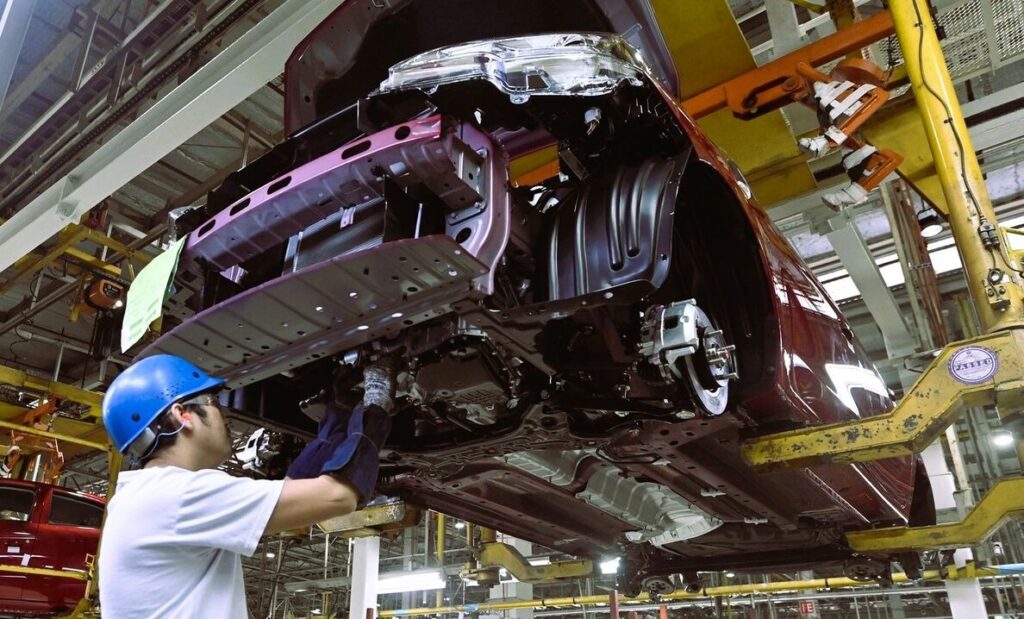
Banner photo shows a vehicle being assembled in the MMPC manufacturing plant