
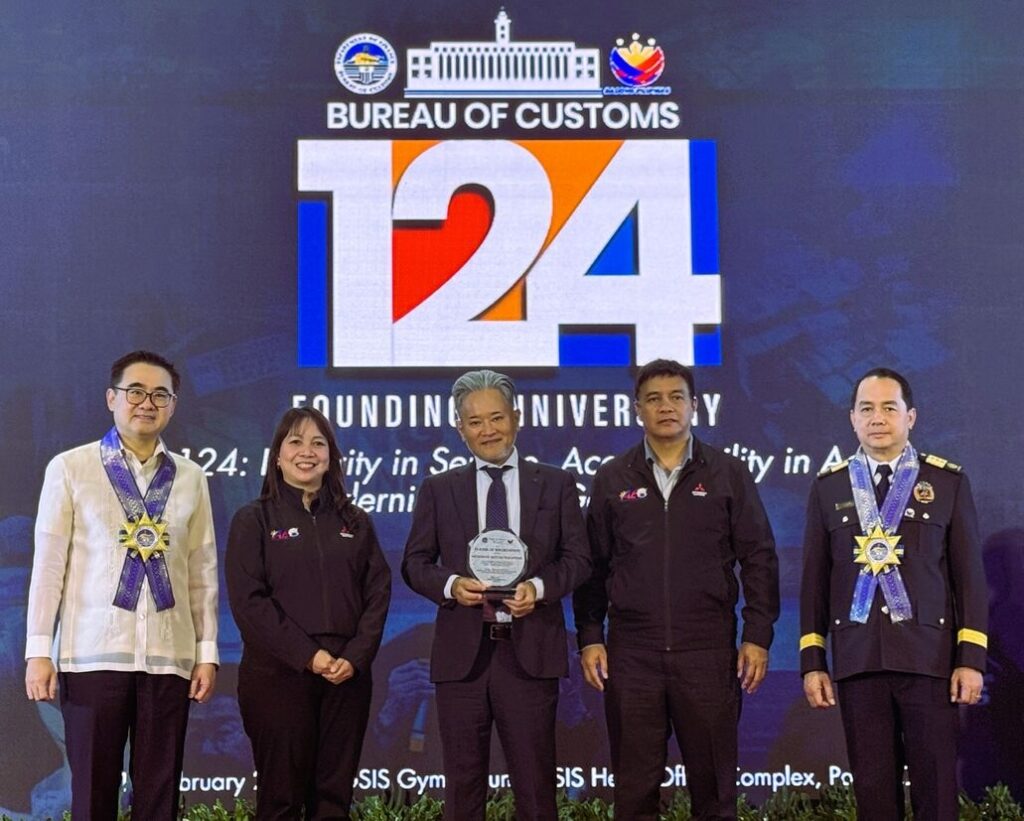
Mitsubishi Motors Philippines Corp (MMPC) has recently been recognized by the Bureau of Customs as one of the top 10 importers for 2025 in terms of duties and taxes paid, underscoring the company’s continued contribution to government revenues and economic activity.
The Bureau’s list of top contributors remains largely composed of companies from the oil and petroleum and motor vehicle industries. MMPC ranked 7th overall, contributing P13.189 billion in duties and taxes for the year.
The recognition reflects MMPC’s import operations that support both its manufacturing activities and the supply of vehicles and parts to meet the mobility needs of customers across the country.
This highlights the company’s role as a trusted industry partner supporting government revenue generation while sustaining its long-standing presence in the Philippine automotive sector.
Tax implications of planned EVIS
Building on this momentum, MMPC recently signaled a major shift in its local operations by announcing its intention to participate in the government’s Electric Vehicle Incentive Strategy (EVIS). Under this plan, MMPC aims to begin the local assembly of a new hybrid electric vehicle (HEV) model at its 23-hectare plant in Santa Rosa, Laguna, by 2028. This move is expected to transform MMPC’s import profile, shifting the focus from importing finished units to sourcing specialized components and high-tech parts required for electrified powertrains.
The transition to local assembly carries significant fiscal implications under the Electric Vehicle Industry Development Act (Evida) and Executive Order No. 12. While the government has extended zero-percent tariffs on many EV components until 2028 to encourage local production, the sheer volume of high-value parts needed for assembly may maintain MMPC’s status as a high-value importer. Furthermore, as the company scales production, the resulting value-added tax (VAT) from increased domestic sales and the corporate taxes generated from expanded operations are likely to provide a more diversified and sustainable revenue stream for the government compared to traditional importation alone.
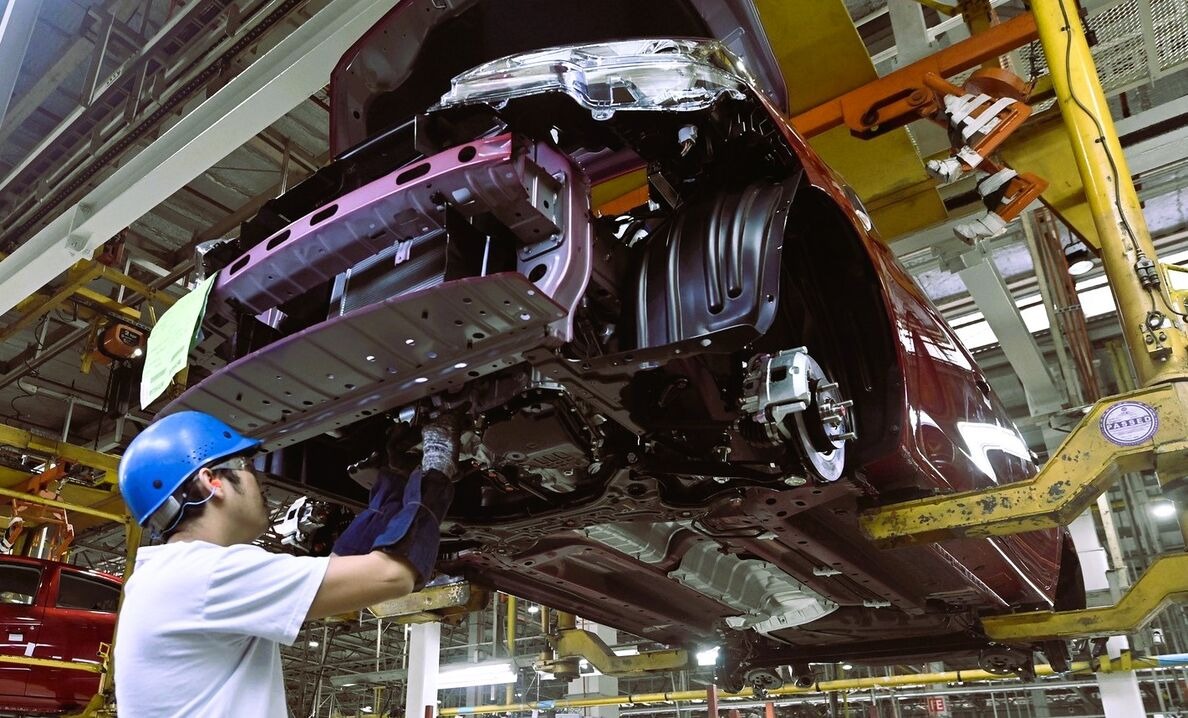
Whether these plans will push MMPC higher than its current 7th-place ranking depends on the balance between tax incentives and import volume. While tariff exemptions on EV parts might technically lower the “duty” portion of their payments per unit, the significant capital investment in factory upgrades and the anticipated increase in market share for hybrid vehicles could drive the total “tax” contribution upward. By anchoring its “Beyond 2025” strategy on local manufacturing, MMPC is positioning itself not just as a top importer, but as a primary pillar of the Philippines’ emerging green automotive economy.
To know the latest news about MMPC, and to know more its roster of vehicles, visit its official website https://www.mitsubishi-motors.com.ph/.
Banner photo shows, from left: Department of Finance Secretary Frederick Go; MMPC’s logistics vice president Jemabel Boncajes, chairman Noriaki Hirakata, and manufacturing senior vice president Reynaldo Gabay; and Bureau of Customs Commissioner Ariel Nepomuceno