
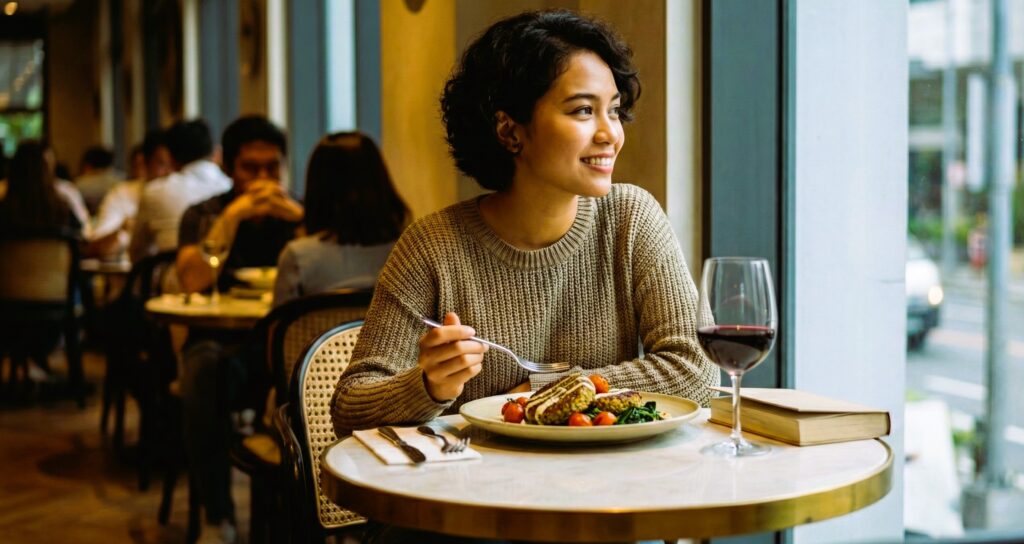
Solo dining is undergoing a major cultural rebranding. Once potentially seen as a sign of loneliness, eating alone is now increasingly viewed as an act of self-care, luxury, and confidence.
The numbers confirm the trend: OpenTable reports a 64% increase in reservations for one since 2019. The shift is driven largely by younger generations, with solo dining among those under 25 increasing by 80% over the last two decades.
Psychologists describe this as “positive solitude.” According to clinical psychologist Supatra Tovar, the wellness movement has encouraged people to prioritize their own needs, turning a solo meal into a time to decompress rather than a moment of isolation.
A conscious choice
Experts note a key distinction between healthy solitude and harmful loneliness: Agency. Healthy means choosing to eat alone to recharge or enjoy a specific meal without compromise. Risky means involuntary isolation, particularly among seniors, which can still correlate with skipped meals and poorer health.
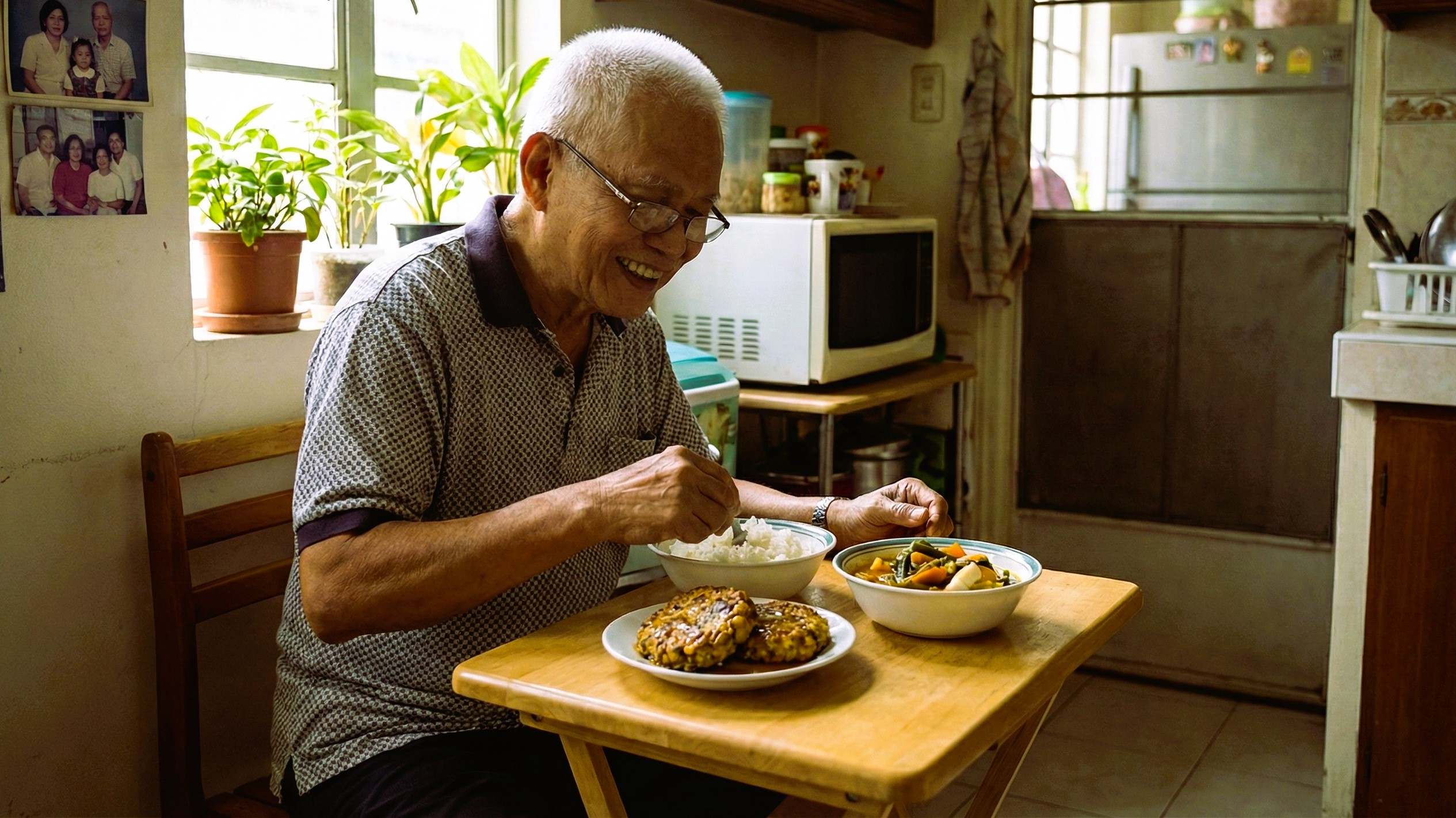
Restaurants are embracing the independent diner. From Japan’s famous private ramen booths to fine dining establishments in the United States offering “one-top” tables and menus paced for individuals, the industry is ensuring that a table for one feels curated, not compromised.
The takeaway? Whether at a restaurant or at home, dining alone is an opportunity to treat yourself as a guest of honor.
(Editor’s note: This story is based on an article by VegNews editors posted Dec. 31, 2025 in VegNews.com. To read the full article, click here: https://vegnews.com/eating-alone-benefits.)