
By Ian Reyes
They say the best things come to those who wait, but in the automotive world, the best things are usually preceded by a suspiciously vague business plan and a highly pixelated image under a sheet. Such was the case with the Mitsubishi Destinator. My first sniff of this beast came while spelunking through the fine print of Mitsubishi Motors Corp’s “Challenge 2025” Business Plan. Amidst the corporate jargon and projections was the tantalizing, almost legendary, mention of a 7-seater SUV, coyly disguised as an “Under Cover” car.
Now, this wasn’t just another variant of the ubiquitous Pajero Sport/Montero Sport—a vehicle affectionately known in Thailand as a Pickup Platform Vehicle (PPV). No, the stars were aligning for something completely different. A new chassis, a new ethos, perhaps even a new coffee machine in the engineering department. This distinct 7-seater, I speculated, was destined to grow the Asean product lineup, slowly but surely. This got my inner gearhead doing the happy dance—a jig reserved only for new sheet metal.
From Concept DST to… ‘Destinator?’
The moment of truth arrived in September 2024 at the Philippine International Motor Show. There it was: The Concept DST. I had my “This is it” moment—the kind that usually precedes either an engagement or a massive credit card bill.
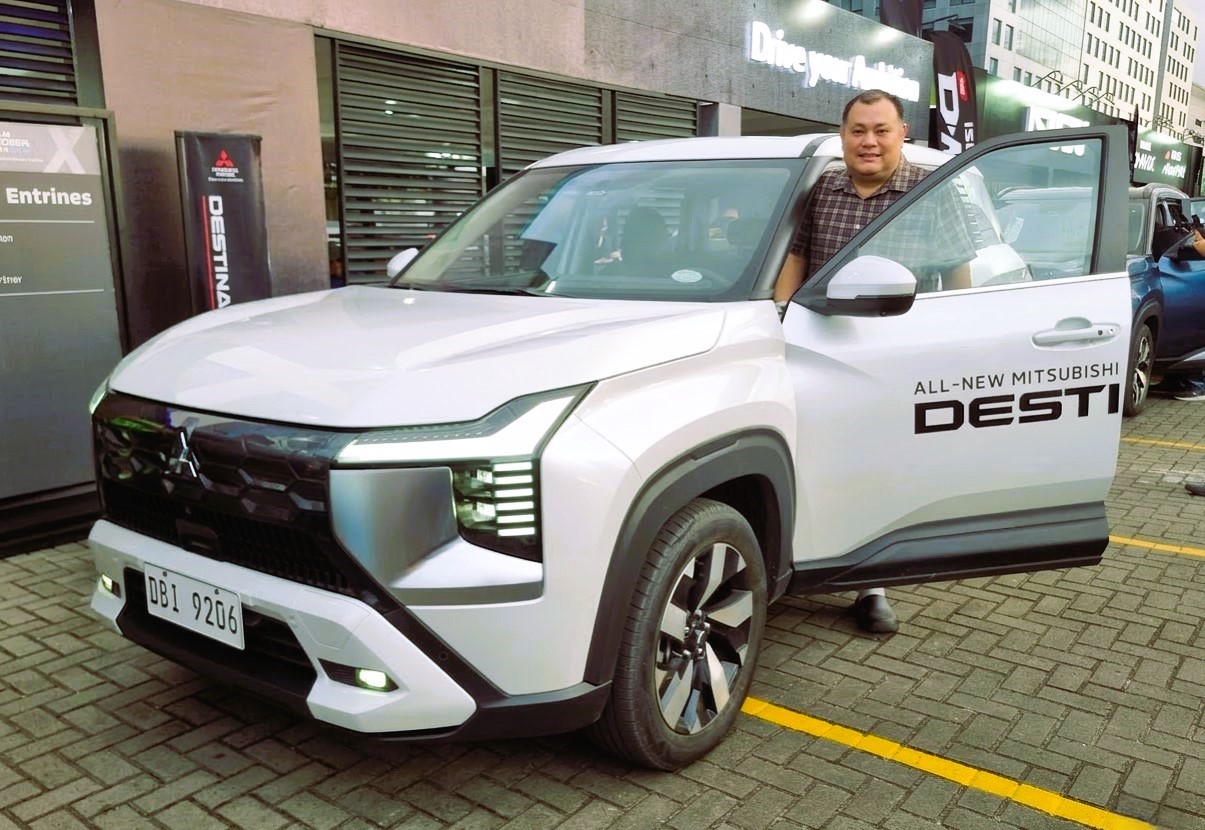
Then came the name. “Destinator” is, shall we say, a bold choice. It’s the kind of name that immediately drew a mixed bag of reactions, most of which were bent irrevocably towards the comedic. The internet, that glorious, unforgiving landscape of collective wit, immediately sprung into action. Netizens treated the name like a word salad generator: Terminator, Investigator, Laminator, then… Destinator. It even inspired a peculiar vocal tic, where people would drop their voices to a basso profundo, invoking the gravelly tones of a transforming robot like Optimus Prime or Megatron. “I am… the Destinator!” It’s a name that doesn’t just suggest a journey; it suggests it might force you to take it.
Under the hood: The heart transplant
At the official launch, I managed a quick but critical reunion with Masahiro Tamura of Mitsubishi’s product strategy office—a man I’d first encountered while thrashing the Triton pickup around their Okazaki test tracks in Japan.
Our conversation immediately dove into the oily bits. See, the Xpander runs on the perfectly serviceable 4A91 engine. The Destinator, however, is blessed with a completely different ticker: the 4B40. My immediate takeaways, confirmed by Tamura-san and Tadashi Suzuki of the same office, were blunt: “The CVT and the engine are totally different.” It’s not just a different letter-number combination. The 4B40 boasts differently sized pistons and incorporates significantly more technology, especially the water-cooled intercooler which is a first for the Philippines.

Mitsubishi’s engineers clearly did their homework, fine-tuning the 4B40 to be perfectly paired with the CVT, specifically optimized for our unique, often punishing, road conditions. They massaged the engine torque figures, setting a target of 250 Nm to match the CVT’s capacity—right in that sweet, usable spot.
Mud and mayhem: Off-road dynamics
The real fun began during the off-road test ride. Strapped in next to a test driver with the steely-eyed confidence of a Dakar veteran, I witnessed the Destinator’s dual personality in action.
In Normal Mode, the car played around on the loose surface like a puppy on a freshly waxed floor, demonstrating a playful tendency to slide and scrub. Switch to Gravel Mode, and the chassis instantly tightened up, feeling significantly more stable despite the engine’s enthusiastic effort.
Crucially, the rev counter hovered around the 3,000 rpm mark. I immediately knew we were squarely in the meat of the power band, which runs from 2,500 rpm to 4,500 rpm for that maximum 250 Nm of torque. This is a brilliant engineering decision: Maximum pull is available right where you need it for overtaking or climbing, not just at the redline. It suggests less screaming engine and more purposeful thrust.
The inner sanctum: Fit and finish
Sliding into the GT variant’s cabin is a revelation. The interior fit and finish is genuinely top-notch. I immediately appreciated the liberal use of soft-touch materials on the dashboard—a definite departure from the usual rock-hard plastics that dominate this segment. It’s a noticeable step-up that whispers “premium,” rather than screaming “cost-cut.”
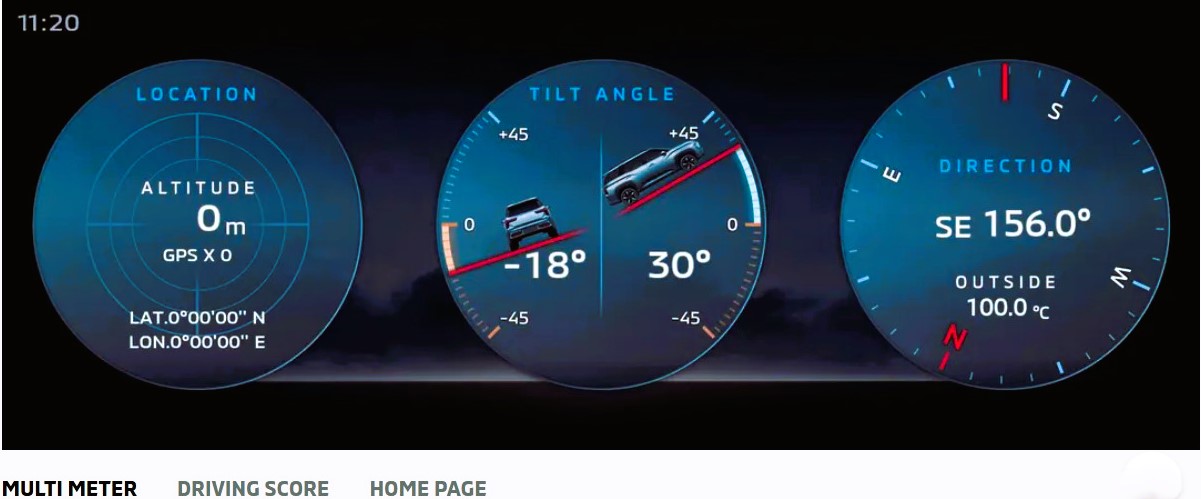
I’m a self-confessed analog purist—a connoisseur of the classic speedometer and tachometer, particularly the GLX’s traditional gauges. Thus, the full LED instrument panel in the GT will take some getting used to; it’s like trading a classic Rolex for an Apple Watch. However, the Monolithic Center Display is where the real throwback magic happens. The various tabs and displays immediately gave me major Pajero Field Master RV Meter vibes—that classic Triple Meter Cluster that dominated the dashboards of the old Pajero, Strada, and Montero Sport 20-plus years ago. It’s a nice nod to the lineage, blending high-tech with history.

Now, for the true test of any 7-seater: The space. With my 220-pound frame and 5’10” height, I’m the vehicular equivalent of a human stress-test. The Destinator passes with flying colors. Interior room is a clear step up from the Xpander. I fit with genuine ease in all three rows—and yes, I mean the third row, where my head was mercifully separated from the headliner. Crucially, I wasn’t forced into an intimate, elbow-rubbing dance with a fellow plus-sized gentleman beside me in the second row. Mission accomplished: Third row usable.
Design dynamics: The look
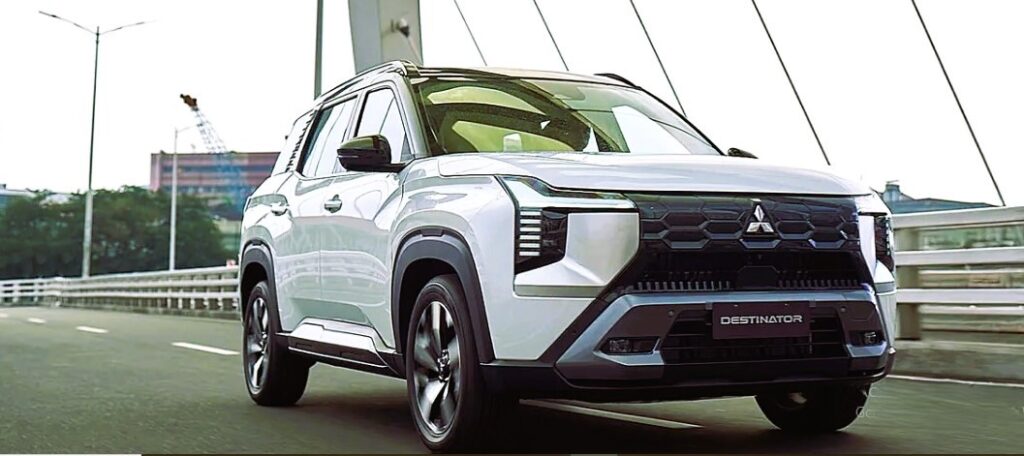
The front fascia is a fascinating study in modern aggression. The sharp-looking DRLs (daytime running lights), coupled with the iconic upper front grille, create a look that screams “Dynamic Shield”—Mitsubishi’s current design language that looks like a robotic samurai mask.
Not every design element, however, is my personal cup of tea. The thin, vertical grille sections at the lower fascia seem a bit overstyled. And the thick C-Pillar, while likely adding structural rigidity, would look so much cleaner without those faux vents. Finally, I maintain that placing the license plate directly on the tailgate, rather than lower on the bumper, would give the rear end a cleaner, more upscale appearance. But hey, maybe a facelift a few years from now can do the trick.
A date with history
To truly appreciate how far Mitsubishi has come, I took the Destinator for an amateurish photoshoot beside my folks’ venerable 1997 Mitsubishi Space Wagon at Motorplaza’s Baguio Branch because Mitsubishi is no stranger to producing 7 seaters for decades.
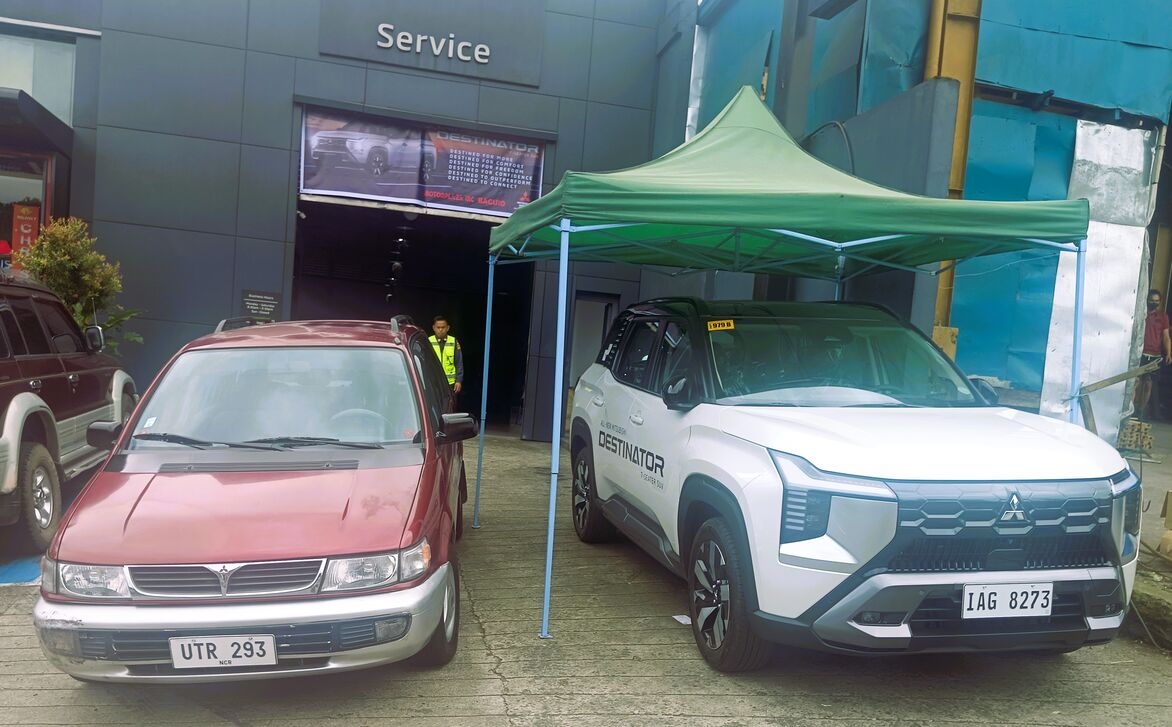
The contrast was stark. The 1990s gave us the Dyna-Wedge profile and the Cyclone Aura Grille—soft, aerodynamic shapes that belonged in a sci-fi movie about friendly aliens. Today, the Destinator projects Gravitas and Dynamism—it looks tough, purposeful, and ready to meet the future. The design evolution is monumental.
Climbing the mountain (literally)
The real-world evaluation came courtesy of Baguio City’s notoriously steep inclines, particularly those of Guisad and Quezon Hill. I kept the drive mode in Tarmac and was genuinely impressed by the responsiveness and pulling power. Maintaining the engine within the 2,000 to 4,000 rpm range, the Destinator didn’t just climb; it surged. For a few exhilarating seconds, I felt like I could legitimately enter a hill climb race. This confirms the engineers’ torque tuning efforts were absolutely successful.
Driving downhill was, ironically, less thrilling due to the crushing reality of heavy Baguio traffic, which kept the action at an idle crawl all the way back to the showroom. A proper, extended drive—say, Baguio to La Union and back—is required to give a true verdict on highway cruising and long-distance comfort, but that, as they say, is a story for another time.
Final verdict: A new destination
The Mitsubishi Destinator is more than just a 7-seater SUV; it’s a mission statement. It addresses the fundamental needs of the Asean market with genuine enthusiasm, trading the utilitarian roots of a PPV (pick-up passenger vehicle) for a sophisticated blend of thoughtful engineering, modern comfort, and a genuinely roomy interior. The controversial name fades into the background once you experience the well-tuned 4B40 engine and its brilliant marriage to the CVT, especially in challenging, steep terrain. It successfully fuses a classic Mitsubishi toughness with contemporary design. It’s spacious where it needs to be, powerful where it counts, and stylish enough to make you look twice. The Destinator is clearly ready for its journey, and it’s a journey worth taking.
(Banner image taken from https://www.mitsubishi-motors.com.ph/)