
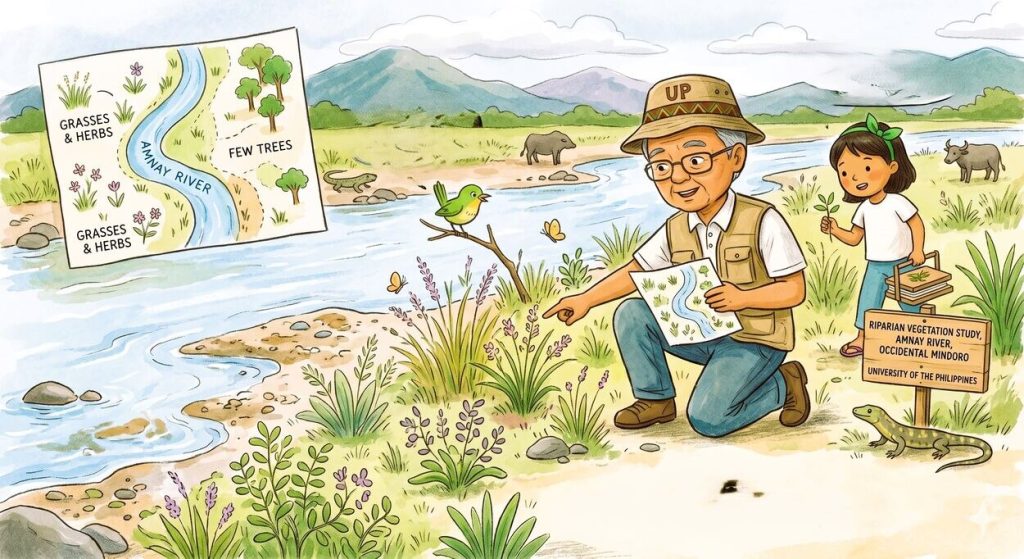
In the relentless tug-of-war between land and water, a hidden green army is holding the line. A groundbreaking new study by the University of the Philippines-Diliman has mapped the vital riverbank vegetation of Occidental Mindoro’s Amnay River, revealing how these specialized plants act as a natural defense system against severe erosion, flooding, and human disruption.
The Amnay frontier: Local data matters
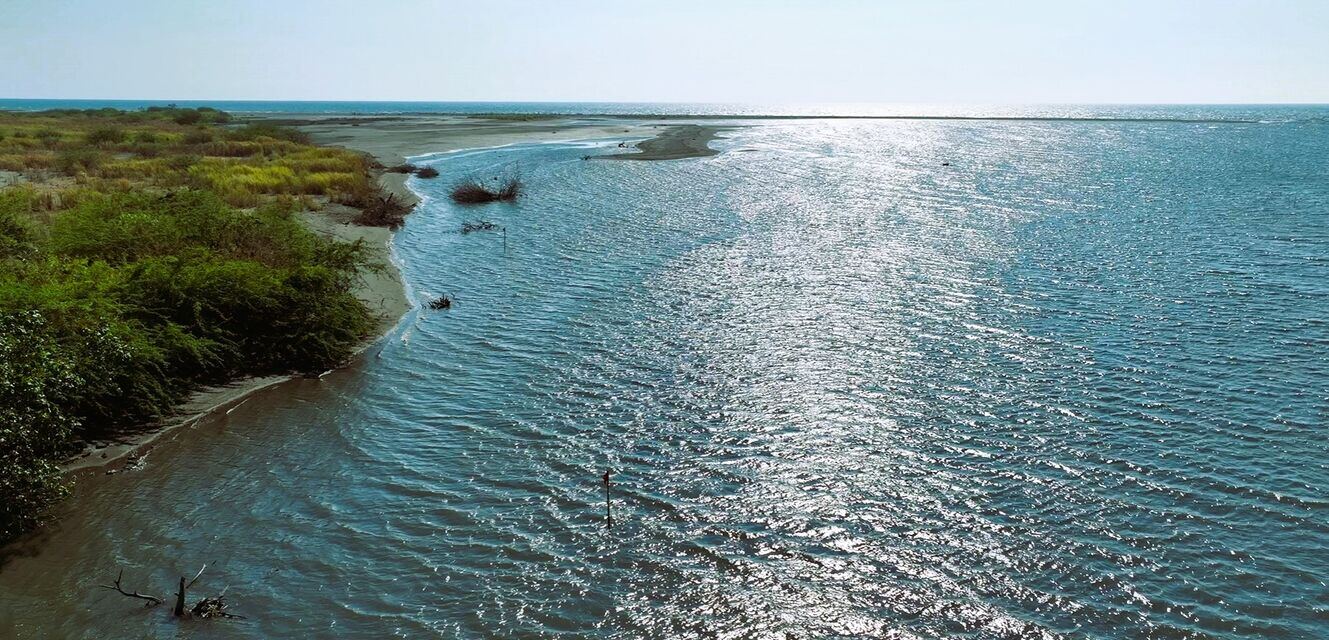
In tropical rivers such as those in the Philippines, sediment often builds up and landscapes are frequently altered, highlighting the need for site-specific baseline studies. This motivated Dr. Enrico Replan of the University of the Philippines-Diliman College of Science’s Institute of Environmental Science and Meteorology (UPD-CS IESM) to examine the plants growing along the banks of Amnay River in Occidental Mindoro and how their distribution relates to the river environment.
The study covers a 14-km stretch of the downstream river corridor—spanning about 509 hectares, including riverbanks and nearby vegetation extending inland in some areas—allowing Replan to capture how plant communities change across flood-prone and more terrestrial parts of the riparian landscape.
“Riparian areas—those found along rivers—are very important because they help prevent soil erosion, improve water quality, and provide habitat for wildlife. By documenting the plants present, the study provided/created a baseline record that can help monitor environmental changes in the future,” he said.
There has been limited scientific documentation of the Amnay River’s riparian vegetation, despite its ecological significance to the local community. “Given increasing environmental pressures such as land-use change and sedimentation, I felt it was important to establish baseline ecological data,” he added, emphasizing that understanding the river’s plant communities is crucial for conservation and sustainable management.
Nature’s first responders: The gritty riverbank survivors
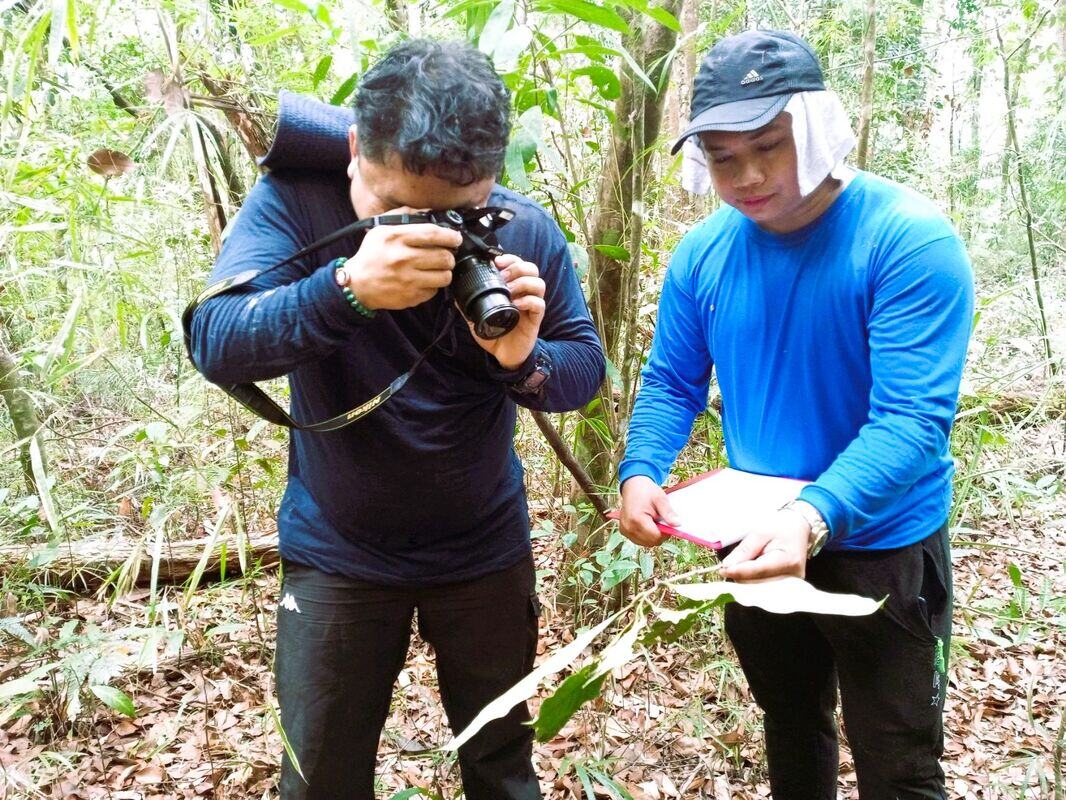
The study reveals that most of the vegetation is made up of herbs and disturbance-tolerant plants, especially grasses (Poaceae) and legumes (Fabaceae). Trees and other woody plants were also scarce and occurred mostly in isolated patches, resulting in a simple vegetation structure with few layers and areas that were spread out and fragmented along the river.
Species diversity varied between sites, depending on local conditions such as soil stability and vegetation cover, as well as proximity to the river. Replan highlighted this notable finding: “Some species were highly adapted to periodic flooding and unstable soils, while others thrived further away from direct river influence. This spatial variation highlights how sensitive and specialized riparian ecosystems can be.”
A green blueprint for future conservation
The findings reveal how strongly riparian ecosystems are shaped by their local environment. The Amnay River offers a clear example of how sediment-influenced tropical rivers can produce complex and uneven plant communities, reinforcing the need for site-specific management and strong baseline data to guide conservation and restoration efforts.
The study provides a baseline picture of riparian vegetation in a sediment-affected tropical river. “If changes occur due to natural disturbances or human activities, future researchers and policymakers will have a point of comparison. The information can also guide restoration efforts by identifying native species that are well-adapted to the local river conditions, which is essential for effective rehabilitation and biodiversity conservation,” Dr. Replan concluded.
“Floristic Diversity of Riparian and Associated Vegetation Along the Amnay River (The Philippines),” is included in Plant-Environment Interactions, a journal featuring sound research from right across the molecular, ecological and environmental science communities, including plants and people. To know more about the University of the Philippines-Diliman College of Science and its ongoing research projects, visit its official website https://science.upd.edu.ph/. (Story courtesy of Eunice Jean C. Patron/ UPD-CS Science Communications)