
By Tessa R. Salazar
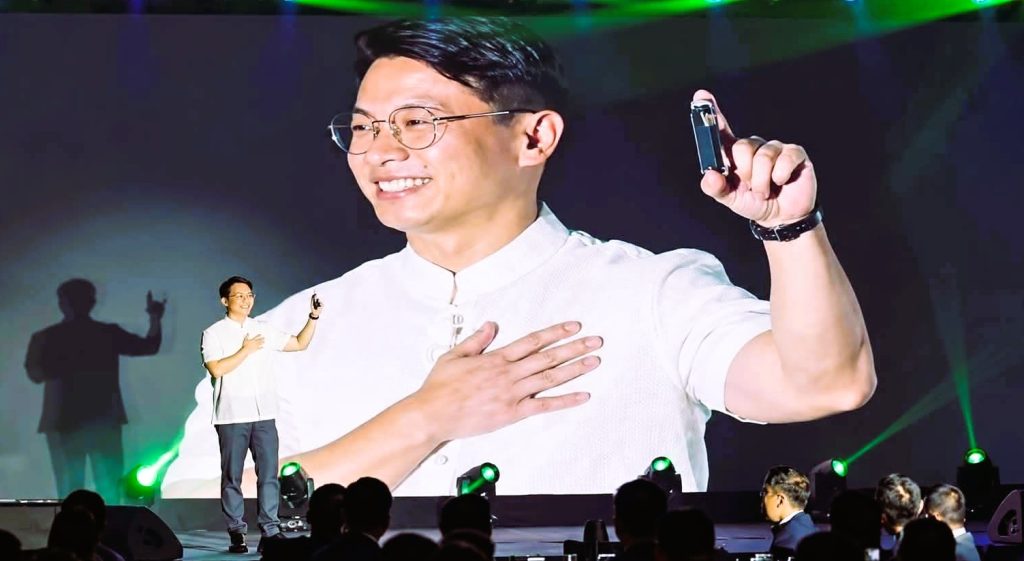
“Every year, battery technology continues to evolve. It’s an exciting future driven by innovation and the promise of a cleaner tomorrow. But every journey, no matter how remarkable, eventually reaches a new beginning,” said John Nino Gabinete Hung, chief finance officer and marketing director of En Tsumugi ELV Dismantling Corp.
Holding up a vial containing a fine dark powder, John declared: “This is black mass.”
The presentation was part of En Tsumugi’s second-anniversary celebration last Sept. 25, held in Makati. En Tsumugi operates the first-ever Japan-standard end-of-life vehicle (ELV) dismantling facility in the Philippines, located in Pampanga.
Still pointing to the vial, John continued, “Inside it are lithium, copper, nickel, manganese, cobalt, and many other precious materials—small enough to fit in the palm of my hand, yet powerful enough to help move the world. It powers millions of electric vehicles (EVs), stores renewable energy, and has become one of the most critical resources shaping the future of mobility.”
John emphasized that its footprint extends far beyond transport: “Lithium batteries already power our everyday lives—from smartphones, gadgets, tools, and home appliances to telecommunications infrastructure and the power systems supporting businesses and data centers. But every battery has a lifecycle, and every journey eventually reaches its end. What happens when it does? That question is exactly why we are here today.”
He noted that for most consumers, the vehicle’s retirement marks the end of the narrative: “For those of us in this industry, that is only the beginning. The future isn’t defined only by how we power our vehicles; it is defined by how responsibly we sustain them long after the journey ends. Who will be ready? Who will recover these batteries safely, responsibly, and sustainably?”
14.6 million registered vehicles
Takashi Baba, Chief Representative of the Japan International Cooperation Agency (JICA) Philippines, highlighted the scale of the automotive waste stream.
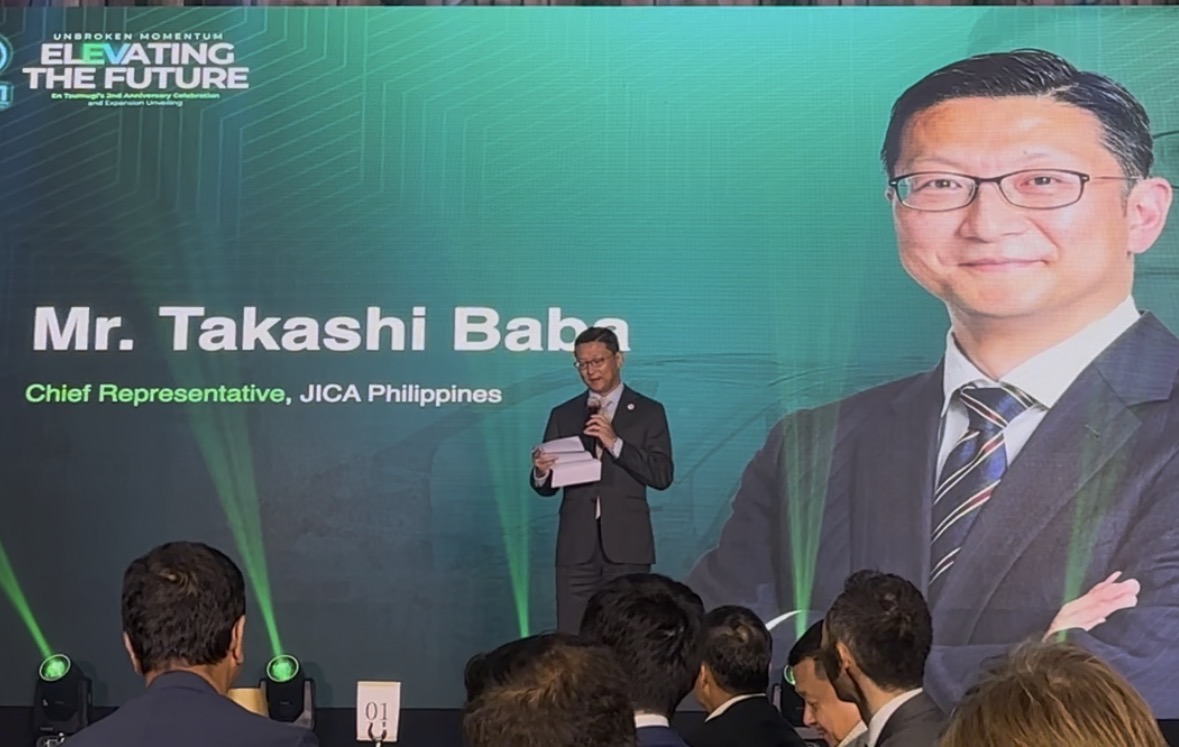
“Over the past decade, the number of registered motor vehicles in the Philippines has surged by more than 80%—from around 8 million in 2014 to 14.6 million two years ago,” Baba noted. “As the vehicle population continues to grow and age, alongside the modernization of public utility vehicles, proper ELV management and recycling will become increasingly vital.”
Baba stressed that the burden cannot fall on a single player: “Proper ELV management requires seamless collaboration among automakers, dealerships, insurers, dismantlers, recyclers, and government regulators. Establishing a robust domestic ELV framework—anchored on strict inspection, proper de-registration, and complete ownership traceability—is indispensable.”
Citing JICA’s long-standing support for Philippine solid waste governance—including technical deployments following the Navotas landfill blaze—Baba added: “Effective waste management requires practical, on-the-ground systems for collection, processing, and recycling. This year also marks the 70th anniversary of diplomatic relations between Japan and the Philippines under the banner ‘Weaving the Future Together.’ En Tsumugi and its partner, Tsuruoka Co Ltd, embody that spirit of bayanihan by pairing Japanese technological know-how with local enterprise.”
Jose Maria M. Atienza, president of the Chamber of Automotive Manufacturers of the Philippines Inc (Campi), underscored the industry’s proactive stance:
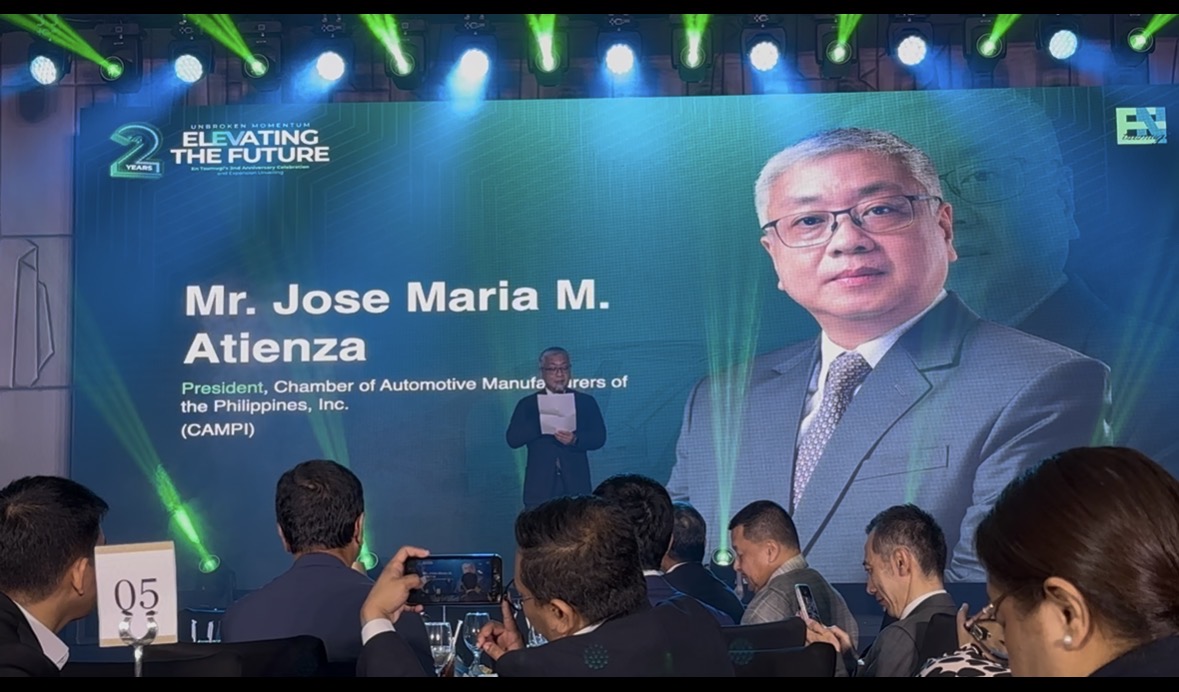
“Our collaboration with En Tsumugi is an integral component of Campi’s medium-term roadmap under our circular economy sustainability pillar,” Atienza stated. “Informal dismantling persists nationwide, often bypassing strict environmental standards. With vehicle populations expanding and electrified mobility taking root, battery retirement will present real logistical hurdles. Together, Campi and En Tsumugi are advancing stakeholder education and laying the groundwork for a formal national ELV policy framework.”
Campi and its truck manufacturing affiliate TMA (Truck Manufacturers Association) represent the overwhelming majority of the country’s automotive sector, consistently accounting for roughly 85 to 90% of all new vehicle sales in the Philippines—making its proactive backing of ELV frameworks pivotal to nationwide adoption.
Localizing battery recovery and traceability
John explained that proper stewardship begins long before a decommissioned pack enters a shredder.
“Before a battery can be recovered, it must be understood, identified, and traced,” he explained. “Every battery has an operating history: Its origin, how it was used, and how it was serviced. Full traceability ensures accountability—every movement recorded, every stage verified.”
Currently, the domestic recycling chain faces limitations. “Today, most recovered battery materials follow an indirect export route, meaning high-value secondary processing and economic opportunities occur overseas,” John noted. “We are working toward direct recovery and processing right here in the Philippines—building local expertise, keeping critical materials within a circular economy, and preparing well before the influx peaks.”
Toyota Motor Philippines (TMP) president Masando Hashimoto recalled the facility’s inauguration two years ago:
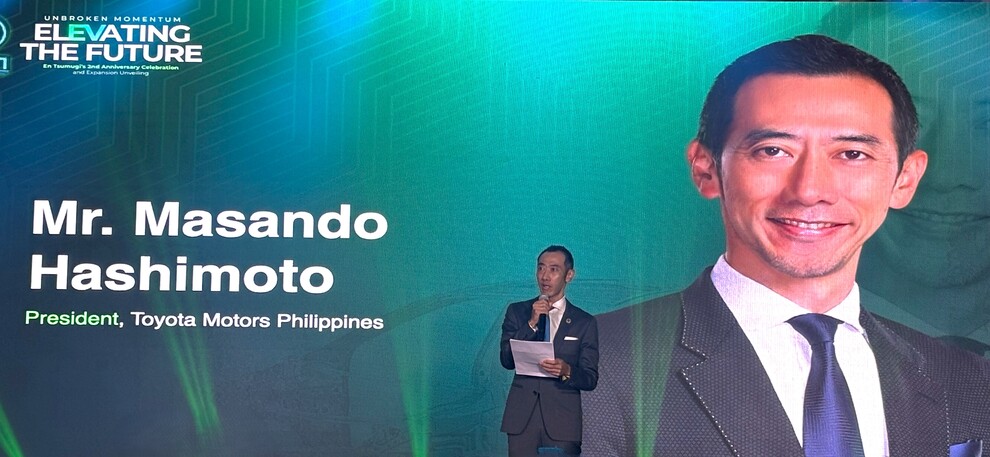
“At the opening of the Pampanga plant, I spoke about our duty not just to assemble and retail vehicles, but to take stewardship of them until the very end of their life cycle,” Hashimoto said. “TMP’s units in operation have reached 1.3 million on Philippine roads. Furthermore, cumulative Toyota and Lexus electrified vehicle sales have reached nearly 60,000 units since 2009.”
Hashimoto reflected on his tenure in Toyota City, Japan: “Seeing end-of-life vehicles systematically disassembled, components salvaged, and high-grade steel returned to the value chain proved that recycling is about resource respect, safety, and waste prevention. Earlier this year, En Tsumugi technicians completed specialized training in Japan hosted by Toyota Motor Corp and Toyota Metal on electrified vehicle dismantling. En Tsumugi is putting in place the capabilities this country will critically need.”
Elevating the circular economy
Marking its milestone under the theme “Elevating the Future,” En Tsumugi highlighted operational benchmarks achieved over the past 24 months.
Among these was the safe extraction and neutralization of high-voltage lithium-ion packs from fire-damaged battery electric vehicles (BEVs) and hybrid electric vehicles (HEVs) following a major warehouse blaze in Batangas, averting hazardous chemical runoff into surrounding waterways.
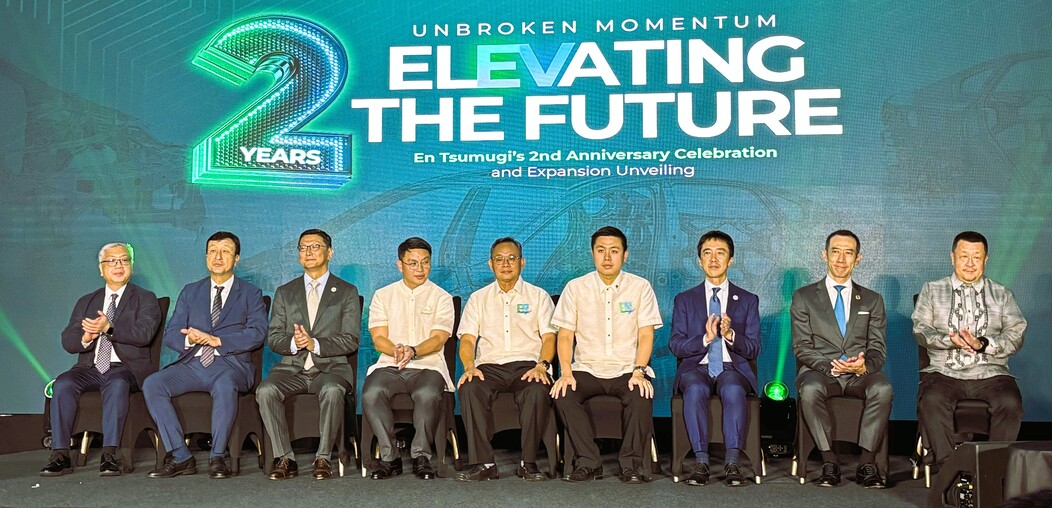
The anniversary gathering was attended by industry leaders and diplomatic representatives, including: Jenfinio “Pao” Gabinete Hung, president and chief executive officer of En Tsumugi ELV Dismantling Corp; Riczon Hung, lead representative and visionary head of En Tsumugi; Masaaki Tsuruoka, president of Tsuruoka Co Ltd; Kazuhiro Nomura, branch general manager of Mitsui & Co; and Naobumi Yokota, Minister for Economic Affairs of the Embassy of Japan in the Philippines
Closing the proceedings, John previewed the facility’s upcoming infrastructure: A dedicated high-capacity battery shredding and processing plant.
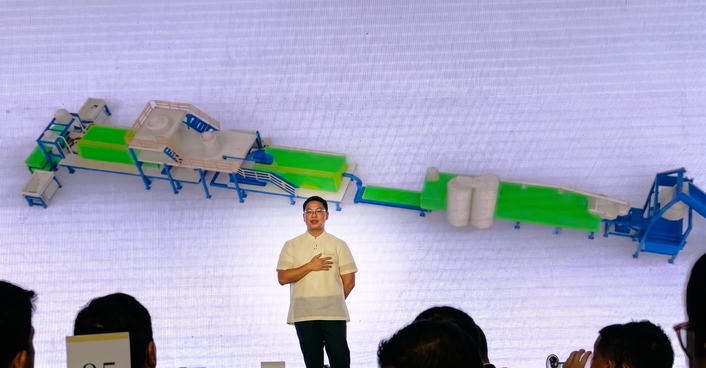
“The shredding system is currently being built in four discrete modules overseas,” he revealed. “The first module is nearing completion and is slated for Philippine delivery before the end of the year, with remaining stages to follow for full assembly and commissioning.”
John added that the company is extending its recovery footprint beyond automotive packs into broader commercial e-waste, including printed circuit boards: “As technology evolves, so does the nature of its waste. We invite stakeholders across automotive, electronics, telecommunications, and energy sectors to bring their end-of-life challenges to us early. En Tsumugi is ready to build that closed-loop ecosystem with you.”
Interested in ELV dismantling, recycling, and repurposing? Follow En Tsumugi through its Garaheco Facebook page https://web.facebook.com/GarahecoPhilippines/?_rdc=1&_rdr#.