

In a city where the pavement is as crowded as the headlines, the numbers from the Metropolitan Manila Development Authority (MMDA) serve as a stark warning: 62,723 road crashes were recorded in Metro Manila between January and November 2024 alone. These incidents resulted in 332 fatalities, highlighting a desperate need for a shift in how the capital moves.
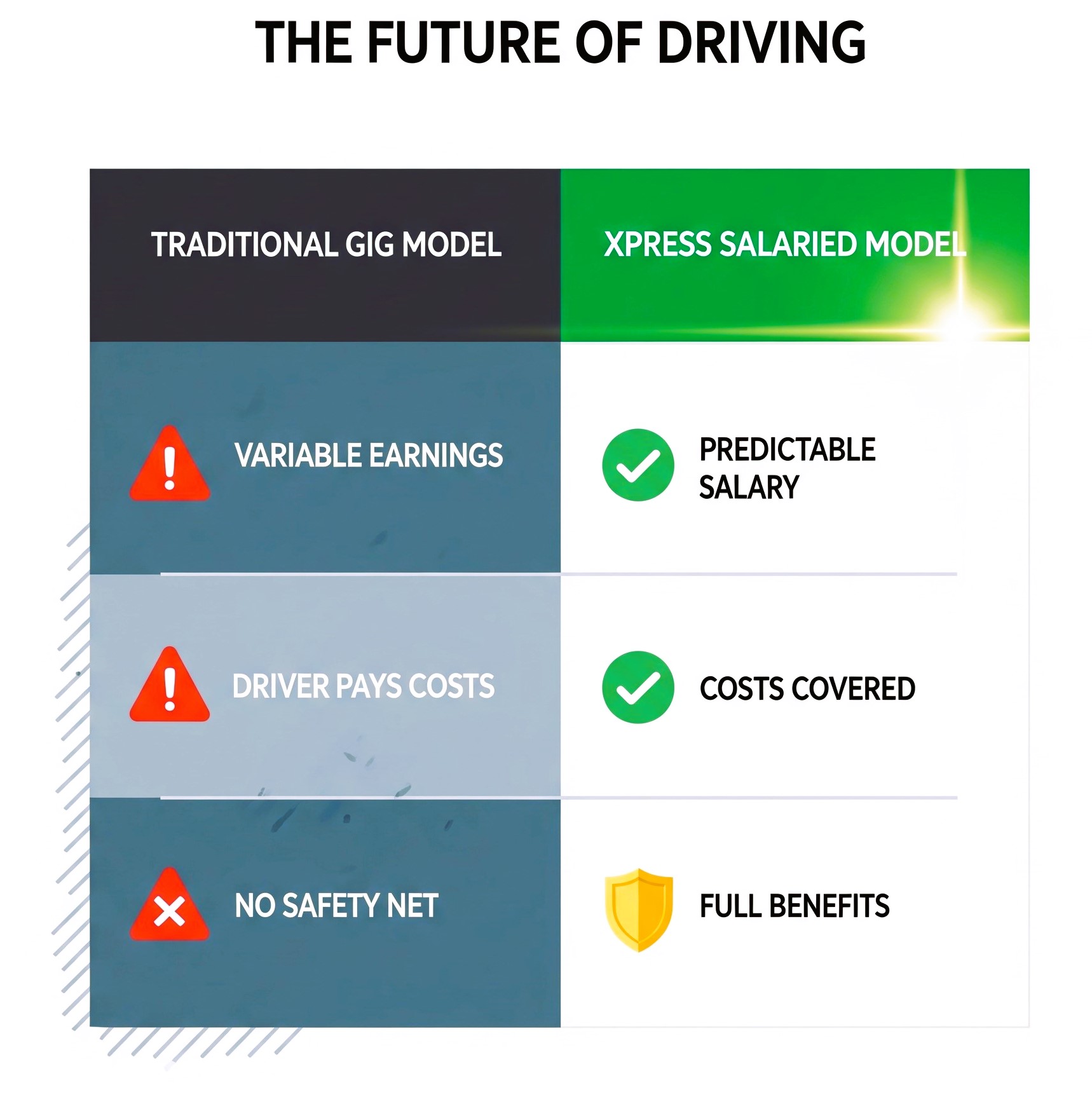
In response to this volatility, Philippine mobility platform Xpress is moving away from traditional “gig” uncertainty. The company has officially launched its Driver Excellence Program (DXP) and is expanding its fleet of fully salaried drivers—complete with the safety net of government benefits.
Stability as a safety feature
Xpress is betting that the key to reducing road accidents isn’t just better technology, but better employment structures. By offering stable salaries and statutory benefits (including SSS, PhilHealth, and Pag-Ibig), the platform aims to attract a more disciplined workforce, including college-educated individuals looking for sustainable careers in transport.
“Road safety and workforce stability are interconnected,” Xpress stated. “Urban mobility cannot scale responsibly without disciplined training systems and stable employment structures.”
The rigorous DXP certification process
The DXP isn’t just a simple orientation; it is a rigorous certification process designed to elevate the standard of service across both taxi and ridesharing segments. The program focuses on:
o Defensive driving: Proactive techniques to navigate Manila’s high-incident zones;
o Emergency protocols: Standardized responses to road incidents;
o Financial literacy: Workshops on income planning to ensure long-term driver health;
o Continuous monitoring: Regular recertification to maintain high performance.
The goal is simple: Reduce turnover and increase accountability. When a driver isn’t constantly stressed about their next “boundary” or fuel cost, they can focus on the road.
Treating drivers as professional employees
By integrating drivers into a formal employment framework, Xpress is challenging the industry standard of independent contracting. They argue that when a driver is treated as a professional employee, the passenger reaps the rewards in safety and consistency.
“Formal employment frameworks strengthen reliability,” the company noted. “When drivers operate within structured systems of training, evaluation, and benefits, safety outcomes and service standards improve.”
Humans, not cars, determine service quality
While much of the industry’s focus has been on shifting to electric and hybrid fleets, Xpress emphasizes that a new car is only as good as the person behind the wheel.
“Vehicles do not determine service quality. Training, discipline, and employment stability do,” the company added.
By prioritizing social security alongside road safety, Xpress is attempting to transform driving from a desperate hustle into a respected, sustainable profession.
This article was adapted from a news release by VRITimes Philippines. For the original article and further details, click this link: https://www.vritimes.com/ph/articles/482a4244-b05f-11ef-a001-0a58a9feac02/42ffb294-2201-4279-b062-5438b622da9b