

TessDrive brings you the latest updates on environmental conservation, corporate sustainability initiatives, and scientific research protecting biodiversity across the Philippines.
TMP recognized at City of Santa Rosa Green Awards

Toyota Motor Philippines Corp (TMP) earned three distinct recognitions at the City of Santa Rosa Green Awards 2026, receiving honors as a sustainable development partner, Earth Hour advocate, and leader in renewable energy and efficiency.
The awards highlight TMP’s ongoing environmental stewardship and collaboration with local government units, the business sector, and community stakeholders to promote sustainable practices in Santa Rosa City, Laguna.
As a mobility company championing environmental conservation, TMP remains committed to advancing climate action and sustainable development through joint community-level programs.
To know more about the Santa Rosa Green Awards 2026, visit https://roarsantarosacity.com/news/keszf6/125-environmental-partners-pinarangalan-sa-green-awards-2026.
UPD-CS study reveals low genetic diversity in PH Eagle
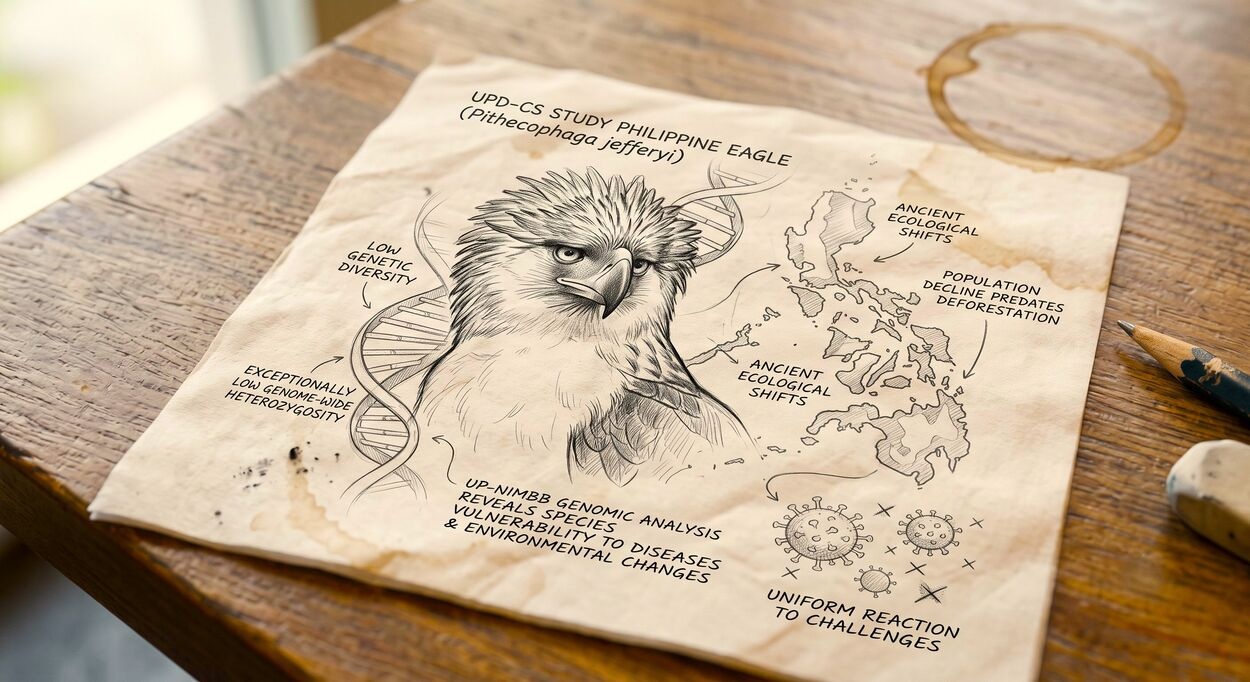
A multi-institutional research team led by Dr. Cynthia Saloma of the National Institute of Molecular Biology and Biotechnology at UP Diliman (UPD-CS NIMBB) has sequenced and constructed a draft genome for the critically endangered Philippine eagle (Pithecophaga jefferyi). Working in partnership with the Philippine Genome Center, UP Los Baños, and the Philippine Eagle Foundation (PEF), the scientists analyzed extracted DNA from 35 captive eagles in Davao City to guide ongoing breeding and conservation strategies.
The study revealed that the Philippine Eagle possesses exceptionally low genome-wide genetic diversity, leaving individuals highly similar to one another. This low genetic variation severely weakens the species’ capacity to adapt to changing environments or emerging diseases, while significantly increasing the risks of inbreeding depression. The findings also indicate that the species’ population decline predates modern widespread deforestation, suggesting that ancient ecological shifts—such as rising sea levels fragmenting landmasses thousands of years ago—and early human hunting may have initially reduced population stability.
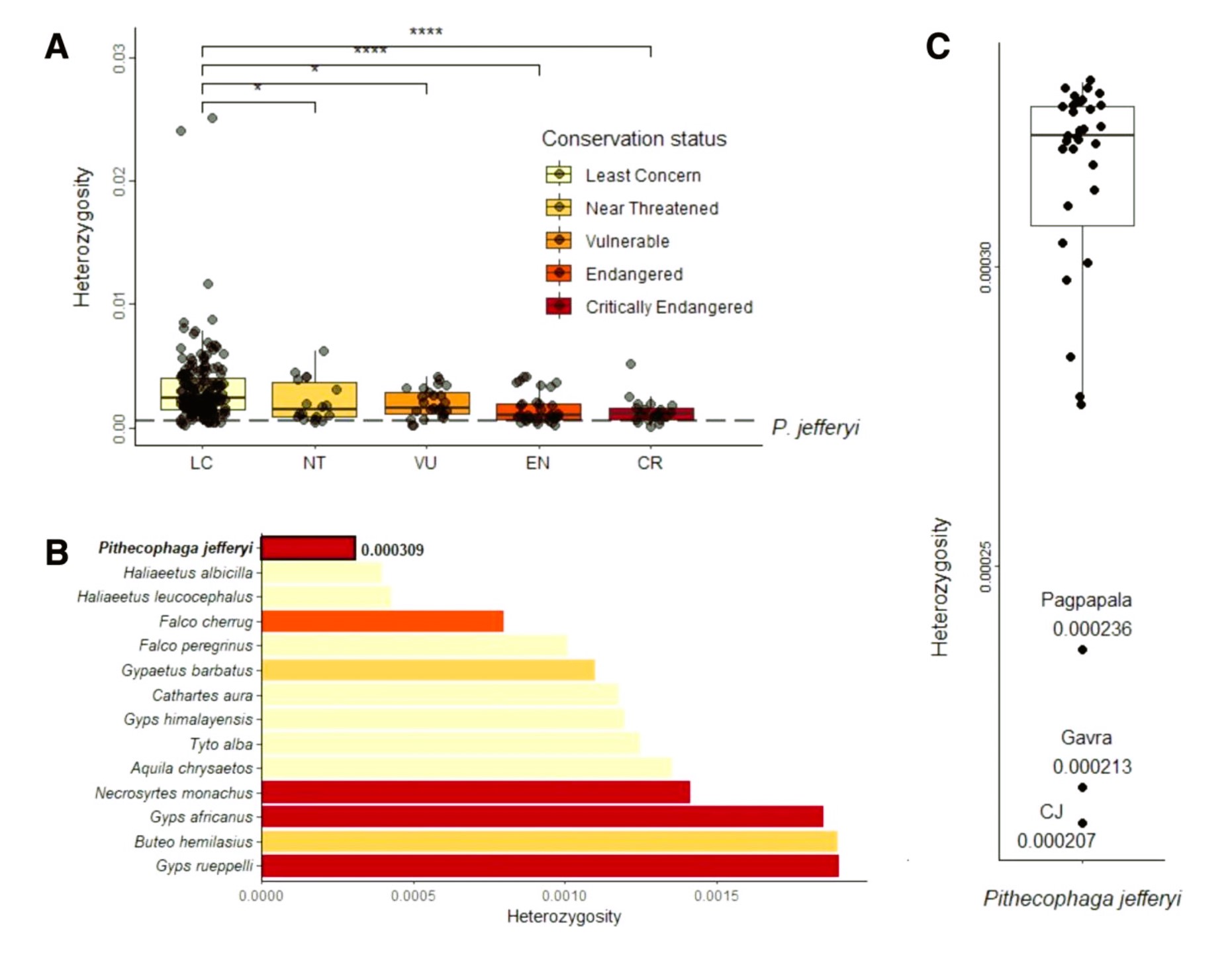
The scientists explained: “A genome is a living organism’s complete set of genes. From the extracted DNA sequences, we were able to assemble a representative genome for the species. The danger is that when there’s little variation, the species struggles to adapt to changes. For example, if a new disease appears or the environment shifts, most eagles would react the same way and have the same capacity to adapt—and if they’re vulnerable, the whole population could be wiped out. In short, low genetic diversity makes the Philippine Eagle fragile and more likely to face extinction when challenges arise.”
“By applying a genomics-driven, genetically informed approach, our study offers a blueprint for safeguarding other threatened species across the archipelago, and demonstrates how modern DNA analysis and bioinformatics can be leveraged to strengthen biodiversity management.”
The peer-reviewed study, titled “Genomic analysis reveals recent population decline and exceptionally low genome-wide heterozygosity of the critically endangered Philippine eagle, Pithecophaga jefferyi (Aves: Accipitridae),” was published in BMC Genomics. (Story courtesy of Eunice Jean C. Patron/UPD-CS Science Communications)