
TessDrive brings you the latest exciting and inspiring developments in plant-based nutrition, environmental stewardship, and compassionate living. From groundbreaking health research and planetary climate solutions to courageous farm transitions, these stories highlight how moving toward a kinder, plant-powered world is creating lasting positive change for our bodies, our communities, and the planet.
For this edition of Empowered Sustenance, we have gathered four stories by Liam Pritchett of plantbasednews.org (https://plantbasednews.org/). Links to the full stories are provided after each summary.
Global study finds youth need more plant-based foods
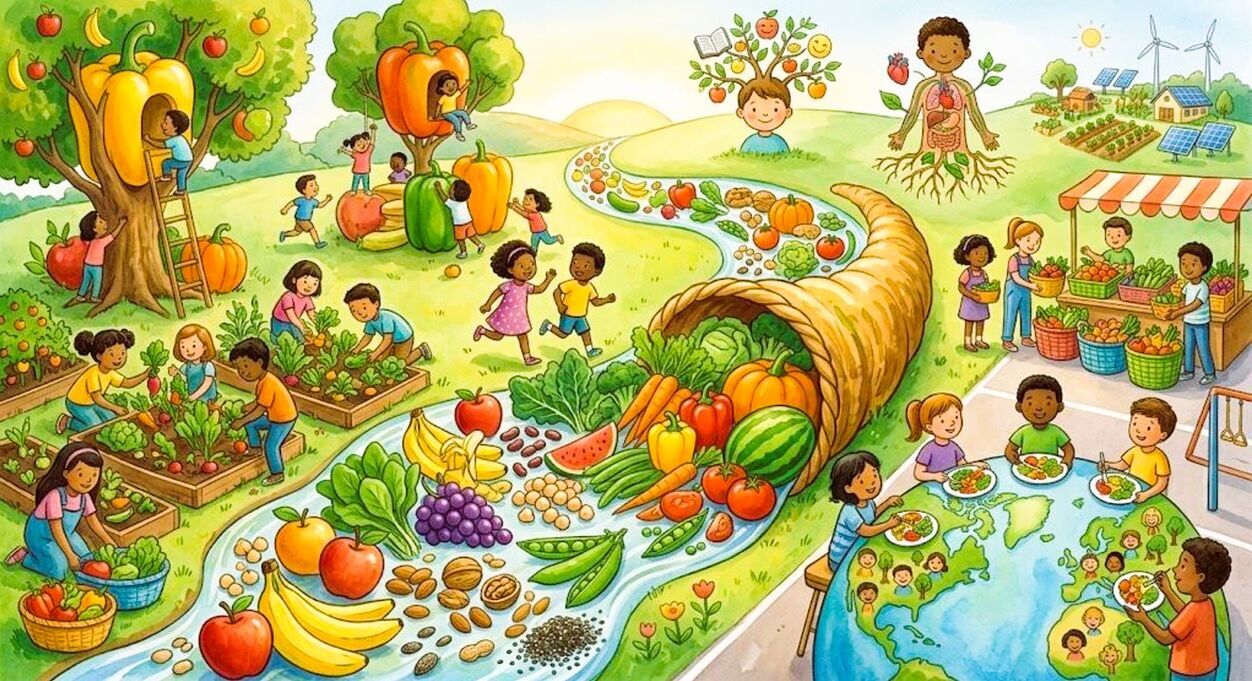
A study led by Tufts University’s Food is Medicine Institute and published in BMJ Global Health revealed that children and adolescents globally are not consuming enough healthful, plant-based foods. Analyzing dietary data from 185 countries between 1990 and 2018, researchers found that the intake of fruits, vegetables, legumes, nuts, and seeds remains inadequate worldwide, with intake declining with age in high-income nations like the United States.
Researchers emphasized that dietary patterns established in early life significantly shape long-term health outcomes, metabolic function, cognitive development, and mood. Increasing children’s access to minimally processed plant foods is also critical for meeting key United Nations Sustainable Development Goals, including ending malnutrition and fostering sustainable food systems.
For the full story, click this link: https://plantbasednews.org/lifestyle/health/kids-need-more-plant-based-foods/
Vegetarian diets linked to lower risk for 5 major cancers
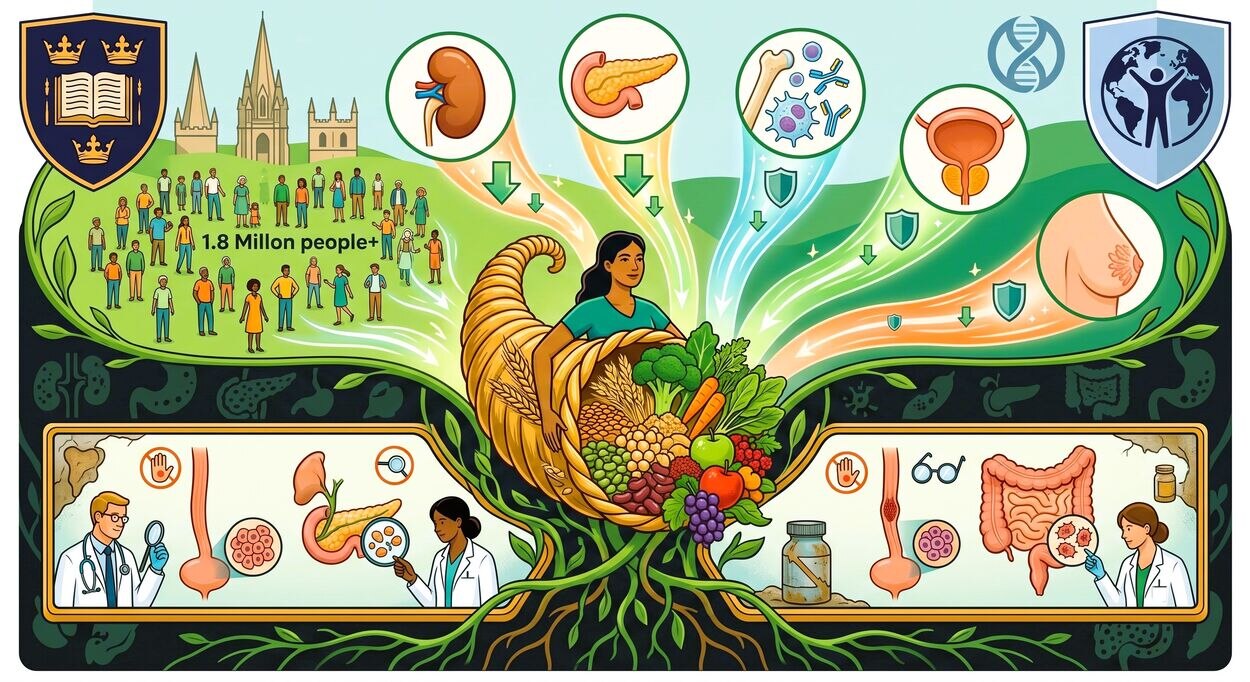
A comprehensive study of over 1.8 million people published in the British Journal of Cancer found that vegetarian diets are associated with a substantially lower risk of 5 types of cancer. Led by Oxford Population Health with support from the World Cancer Research Fund, the research showed reduced risks for multiple myeloma (31%), kidney cancer (28%), pancreatic cancer (21%), prostate cancer (12%), and breast cancer (9%).
The study also observed higher recorded rates for esophageal squamous cell carcinoma among vegetarians and bowel cancer among vegans, though experts noted these were small sample sizes from historical cohorts where food fortification and supplementation awareness were low. Health advocates emphasize that well-planned, nutrient-rich plant-based diets centered on whole grains, legumes, vegetables, and fruits provide broad protective benefits against major chronic illnesses.
For the full story, click this link: https://plantbasednews.org/lifestyle/health/vegetarians-lower-risk-of-cancer-study/
Adoption of plant-rich diets could slash emissions by 76%
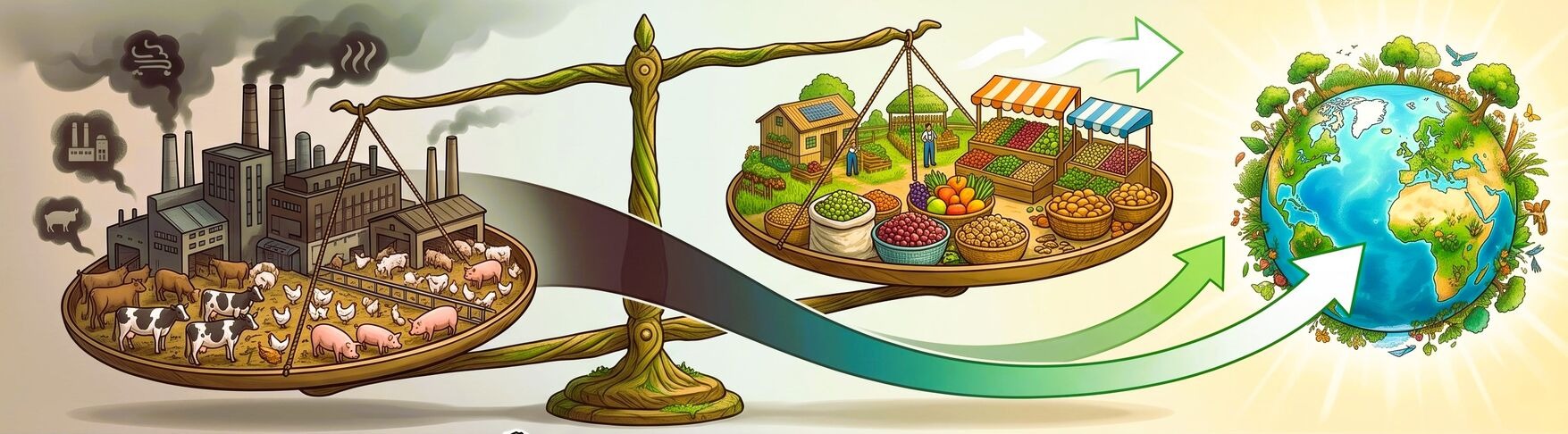
Research published in Nature by Cornell University, the Potsdam Institute for Climate Impact Research, and AgMIP indicates that a global shift toward plant-rich diets could cut food system emissions by up to 76%. Adopting frameworks like the Planetary Health Diet alongside cutting food waste in half could also free up 6% of global agricultural land—an area roughly equivalent in size to India—by 2050.
While the dietary shift would significantly reduce livestock production value, market gains in legumes, fruits, vegetables, and nuts would help offset agricultural losses. Study authors highlighted that achieving these environmental milestones will require coordinated policy interventions, farm transition assistance, and political commitment rather than relying solely on individual consumer choices.
For the full story, click this link: https://plantbasednews.org/news/environment/global-uptake-plant-rich-diets-emissions/
Pig farm transitions into thriving specialty mushroom hub
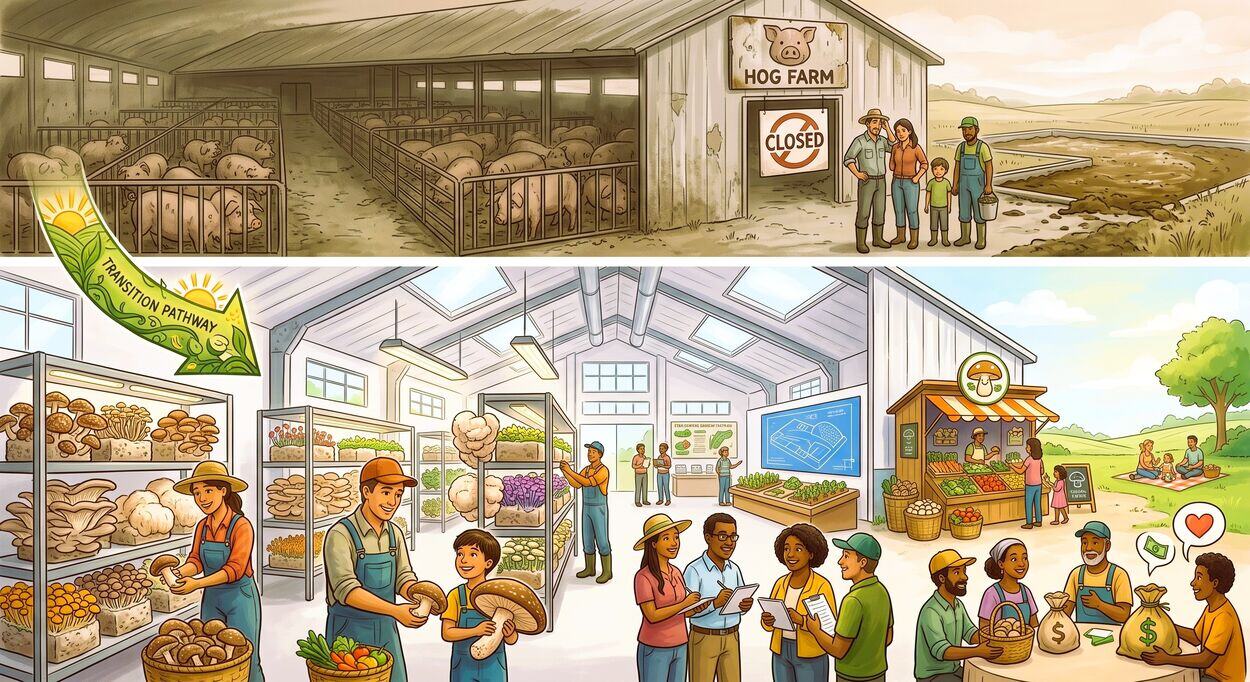
In Radcliffe, Iowa, the Faaborg family has converted their former confined animal feeding operation into 1100 Farm, a thriving specialty mushroom growing facility. After three decades in hog farming, the family partnered with Mercy For Animals’ Transfarmation Project to repurpose their industrial barns into sustainable crop production spaces and educational demonstration hubs.
The facility now serves as a blueprint for livestock producers seeking viable, profitable exits from industrial animal agriculture. By demonstrating that traditional farming families can successfully transition to sustainable, plant-based enterprises, the project highlights practical economic pathways that support farmer well-being and a more resilient agricultural model.
For the full story, click here: https://plantbasednews.org/news/environment/pig-farm-transformed-specialty-mushroom-operation/