
TessDrive brings you research-backed nutritional insights and evidence-based dietary breakthroughs, examining how whole plant-based foods, legumes, and functional staples strengthen cellular defense, lower cardiovascular risk, and advance sustainable living.
Cruciferous veggies linked to 20% drop in colon cancer risk
Original Article: Study: Eating Cruciferous Vegetables Could Lower Colon Cancer Risk by 20 Percent by Charlotte Pointing | Published on VegNews.com on September 18, 2026
A comprehensive meta-analysis published in BMC Gastroenterology indicates that regular consumption of cruciferous vegetables—such as broccoli, cauliflower, cabbage, and Brussels sprouts—can notably lower the risk of colorectal cancer. By reviewing 17 clinical trials spanning nearly 97,000 participants, researchers determined that individuals consuming between 20 and 40 grams of these vegetables daily experienced a 20% reduction in colon cancer incidence compared to those with negligible intake, with the protective benefit plateauing above that threshold.
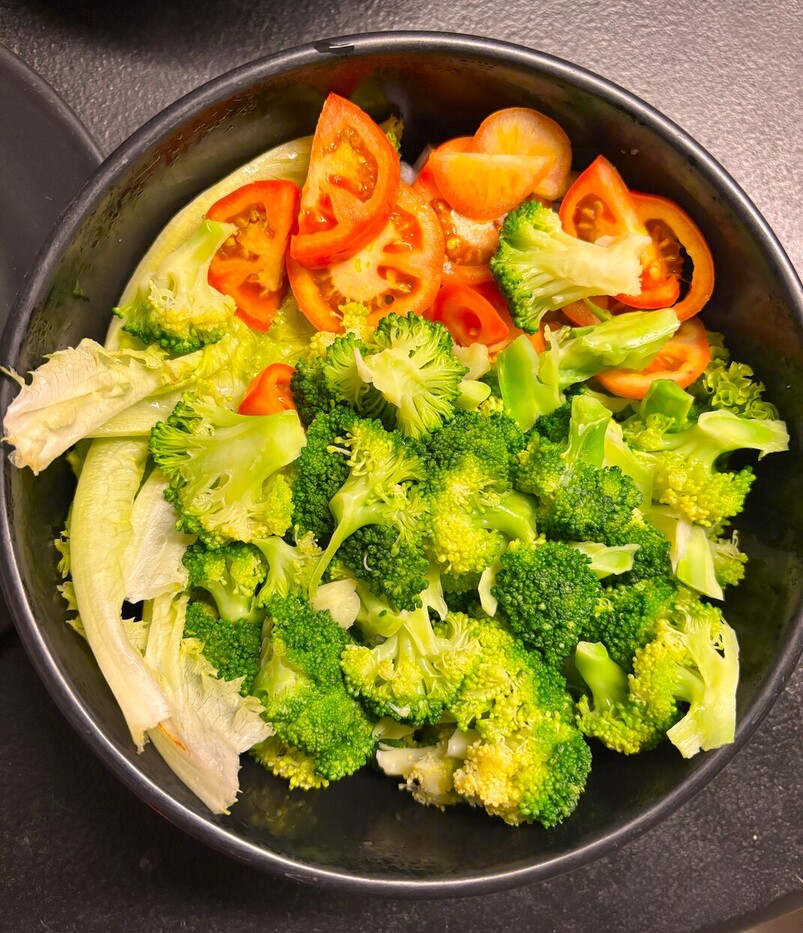
The biological mechanisms behind this defense stem from unique sulfur-rich phytonutrients known as glucosinolates. During preparation and digestion, these compounds break down into active metabolites, including isothiocyanates and sulforaphane, which exhibit potent anti-cancer and detoxification properties. Furthermore, cruciferous plants supply abundant flavonoids, carotenoids, and dietary fiber that combat cellular oxidative stress while nurturing a healthy gut microbiome.
These clinical findings arrive amid a worldwide surge in colorectal malignancies. As the third most frequent cancer globally, bowel cancer comprises roughly 10% of all diagnoses, with health agencies recording alarming upticks among younger adult demographics. Epidemiologists frequently trace this upward trend to sedentary habits, low fiber intake, and the excessive consumption of ultra-processed items and red meat.
Earlier nutritional investigations mirror these preventive advantages, showing that transitioning from conventional meats to high-fiber alternatives like mycoprotein significantly lowers harmful genotoxins in the bowel while promoting protective intestinal flora. Incorporating just a modest daily portion of cruciferous greens represents an accessible, evidence-backed strategy for long-term gastrointestinal health.
Study: Plant-rich diets cut cancer risk in 80,000 adults
Original Article: Study of 80,000 People Links Plant-Based Diets to Lower Cancer Risk by Charlotte Pointing | Published on VegNews.com on September 15, 2026
New epidemiological research published in The American Journal of Clinical Nutrition demonstrates that individuals adhering to predominantly plant-based, vegetarian diets have a significantly reduced likelihood of developing several forms of cancer. Drawing from the extensive Adventist Health Study-2, investigators evaluated health outcomes across more than 79,460 adult participants in the United States and Canada over a 5-year monitoring window.
The cohort included Seventh-Day Adventist populations whose health habits have long drawn scientific interest, notably in Loma Linda, California—a recognized global Blue Zone celebrated for longevity. When compared against individuals who shared similar baseline wellness habits but still consumed meat, participants relying on whole plant foods experienced 45% lower rates of stomach cancer, 25% lower rates of lymphoma, and an overall 12% reduction in total cancer risk.
Researchers pointed out that the stark reduction in stomach malignancies is especially logical, given that gastric tissues experience direct, sustained exposure to ingested foods and their digestive byproducts. While the authors emphasized that broader prospective trials are still required to confirm the precise mechanisms across all cancer types, the data strongly supports the protective role of plant-derived nutrients.
This investigation reinforces recent findings from other major cancer institutes. Prior research from Memorial Sloan Kettering observed that plant-derived dietary fiber can stall conditions preceding multiple myeloma, while Australian studies from Flinders University linked whole-food plant nutrition directly to reduced occurrences of bowel, liver, and stomach cancers.
Daily handful of nuts slashes high BP risk by up to 20%
Original Article: Eating A Handful Of Nuts Per Day Reduces Blood Pressure Risk By 20% by Liam Pritchett | Published on PlantBasedNews.org on September 15, 2026
A systematic review and dose-response meta-analysis published in the British Journal of Nutrition highlights the cardiovascular advantages of daily nut consumption. Evaluating dietary patterns across diverse populations, the study confirmed that making a modest serving of nuts a routine habit serves as a potent, non-pharmacological tool to defend against hypertension.
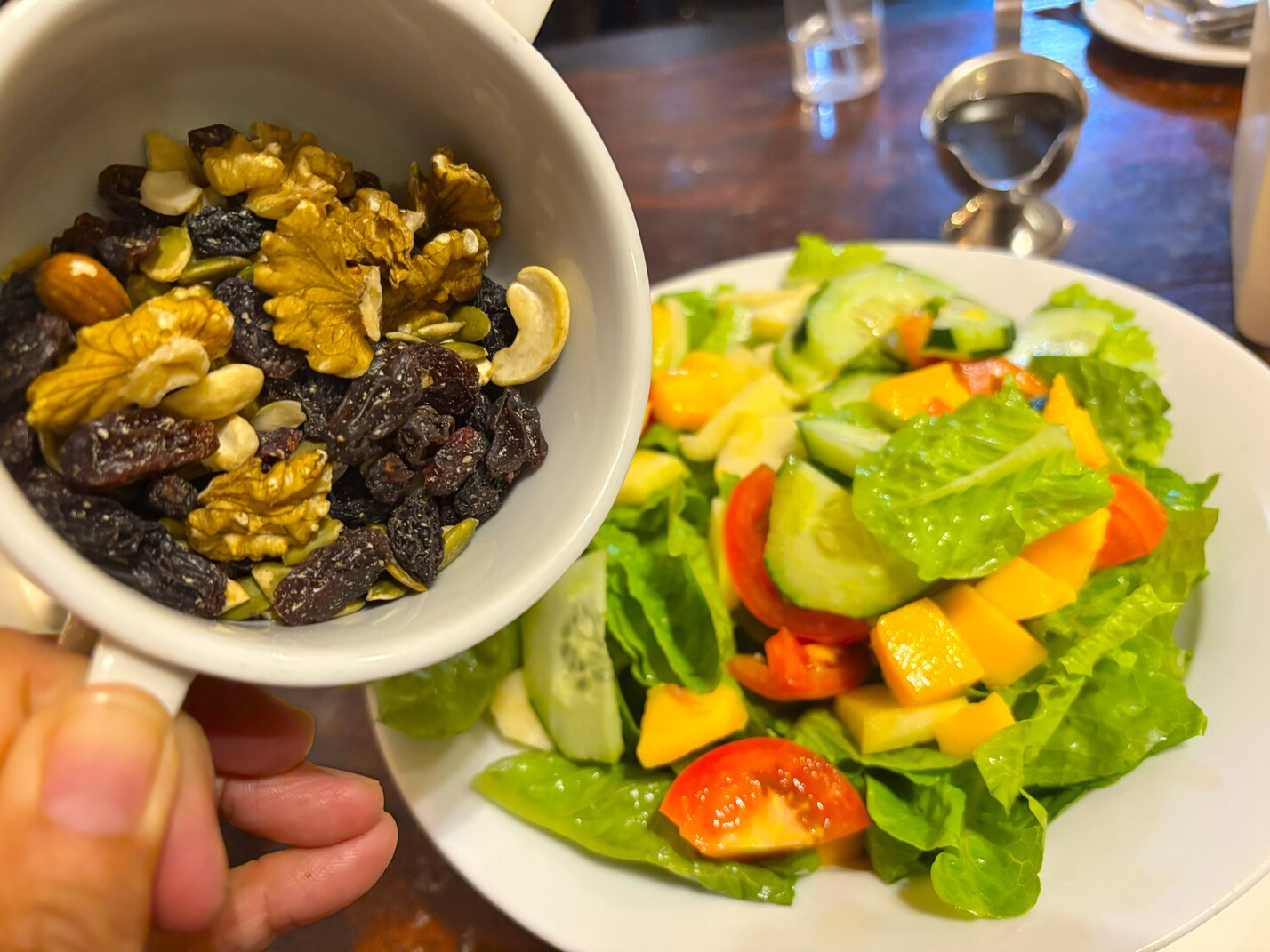
The findings revealed that regular consumers of nuts were approximately 16% less prone to developing hypertension than non-consumers. Consuming a daily portion of 28 grams—equivalent to a standard small handful—yielded a 20% risk reduction, while increasing intake to roughly 30 to 35 grams reduced risk by 25%. Beyond 35 grams daily, additional blood pressure benefits appeared to level off, aligning with standard dietary guideline serving sizes.
Medical specialists from Plant-Based Health Professionals UK (PBHP) classified the study’s evidence grade as solid and probable, describing raw and lightly roasted nuts as one of the most accessible and cost-effective kitchen staples for preserving vascular elasticity. With elevated blood pressure affecting more than 1.4 billion people worldwide and driving roughly half of all cardiovascular-related fatalities, simple dietary interventions carry massive public health implications.
Nuts deliver a dense matrix of beneficial unsaturated fatty acids, plant protein, magnesium, potassium, and antioxidants that support endothelial function and arterial health. Previous research from the same organization highlighted that incorporating related whole-plant staples, including legumes and soy products, similarly lowered hypertension risks by 16 to 19%.
Tofu ranked top protein for people and planet
Original Article: Scientist Names Tofu The Single Best Protein For Nutrition, Sustainability, And Affordability by Liam Pritchett | Published on PlantBasedNews.org on September 3, 2026
A newly developed comprehensive rating system created by Cambridge University behavioral scientist Chris Macdonald has named traditional tofu the world’s most well-rounded protein source. Published in Frontiers in Sustainable Food Systems, the BPI Score benchmarks 20 high-protein food sources across dual metrics evaluating environmental footprint and human accessibility.

Unlike conventional nutritional scales that solely measure isolated protein density, the system balances two critical pillars: A 16-point “Planet Score” measuring greenhouse gas emissions, water contamination, and land usage, alongside a 24-point “People Score” measuring essential nutrient profiles, saturated fat, sodium levels, affordability, and market availability. Tofu led the overall index, accumulating 36 out of a possible 40 points.
The environmental calculations in the paper demonstrate drastic ecological differences between plant and animal proteins. Producing tofu generates merely 0.16 kilograms of carbon dioxide equivalent per 100 grams of protein and requires only 2.16 square meters of land, whereas producing an equivalent amount of beef yields 64.19 kg of emissions while occupying 211.38 square meters of land.
The study established a stark contrast between food classes: The top 20% of ranked proteins were exclusively plant-based, while the lowest-scoring tier consisted entirely of animal-derived products, with cheddar cheese finishing in last place. A planned second iteration of the evaluation model will integrate animal welfare standards, antimicrobial resistance, and zoonotic disease vectors, further defining the functional advantages of plant-based protein sources.