
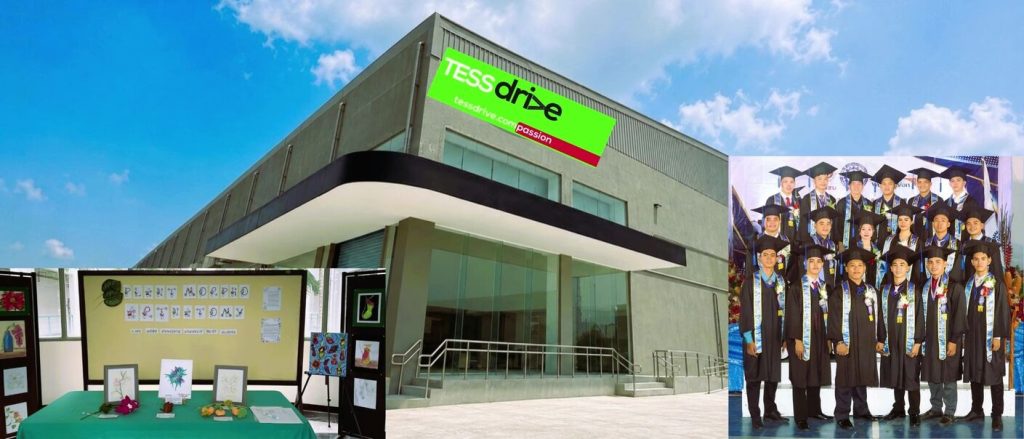
TessDrive brings you the latest developments across technical training facilities, vocational scholarship programs, and interdisciplinary academic initiatives shaping the next generation of industry professionals and scientific researchers.
Ford Philippines opens 1,500-sqm learning center in Laguna
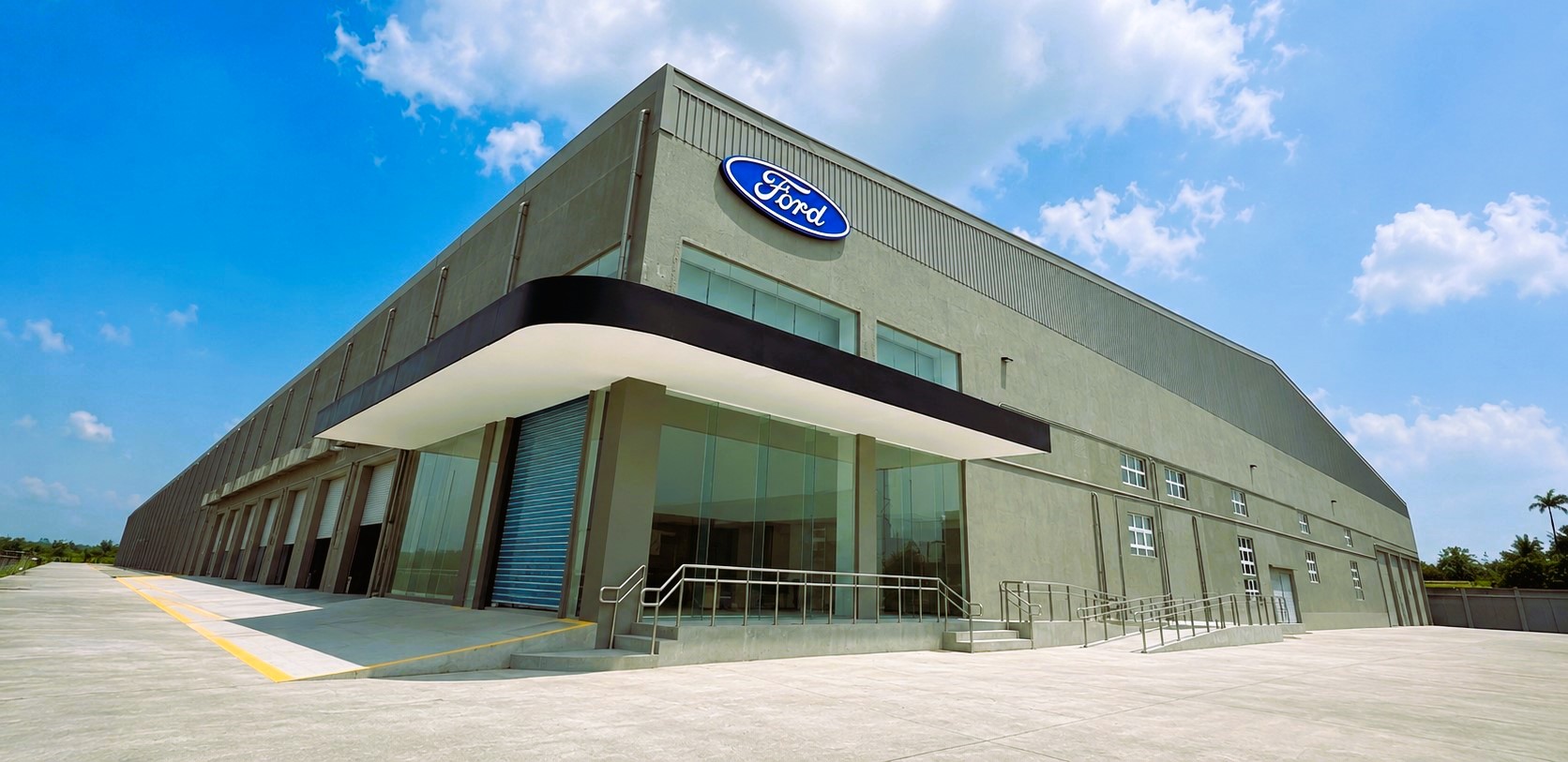
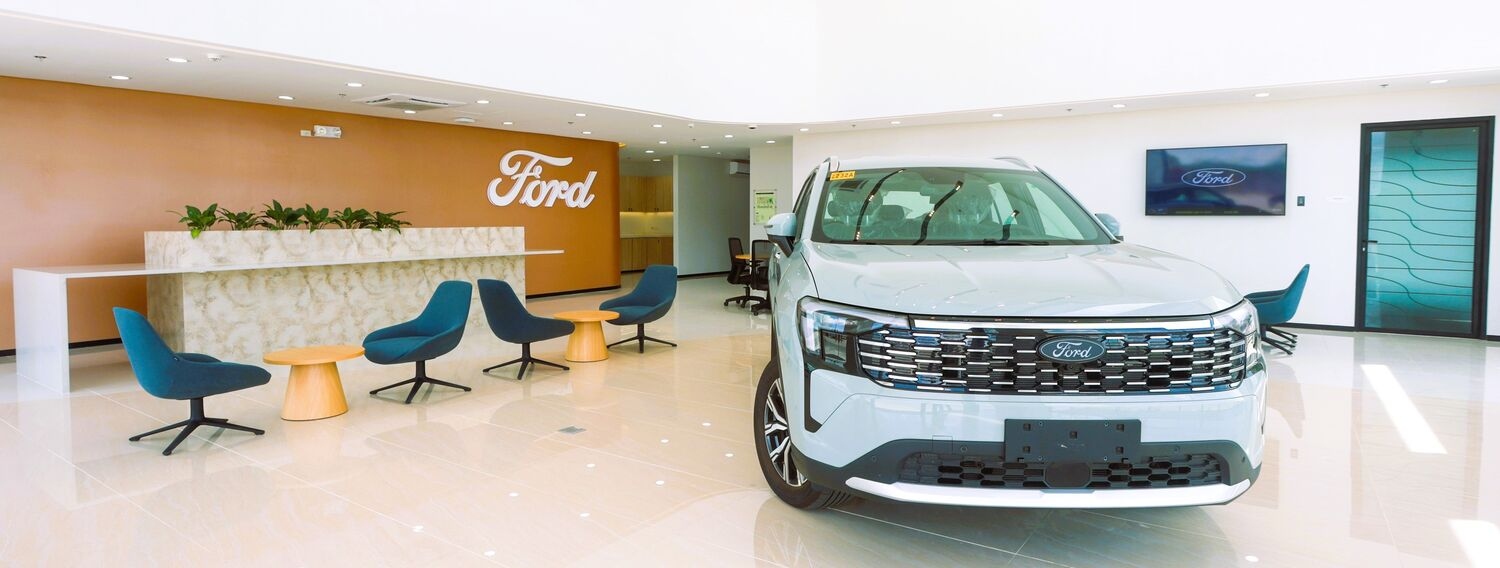
Ford Philippines officially inaugurated the Ford Learning Center in Calamba, Laguna, establishing a centralized 1,500-sqm hub dedicated to technical and non-technical training for Ford dealership personnel nationwide. Replacing its previous 110-sqm space at the Don Bosco Technical Institute of Makati, the modern facility significantly expands Ford’s capacity to deliver globally aligned modules using state-of-the-art diagnostic equipment.
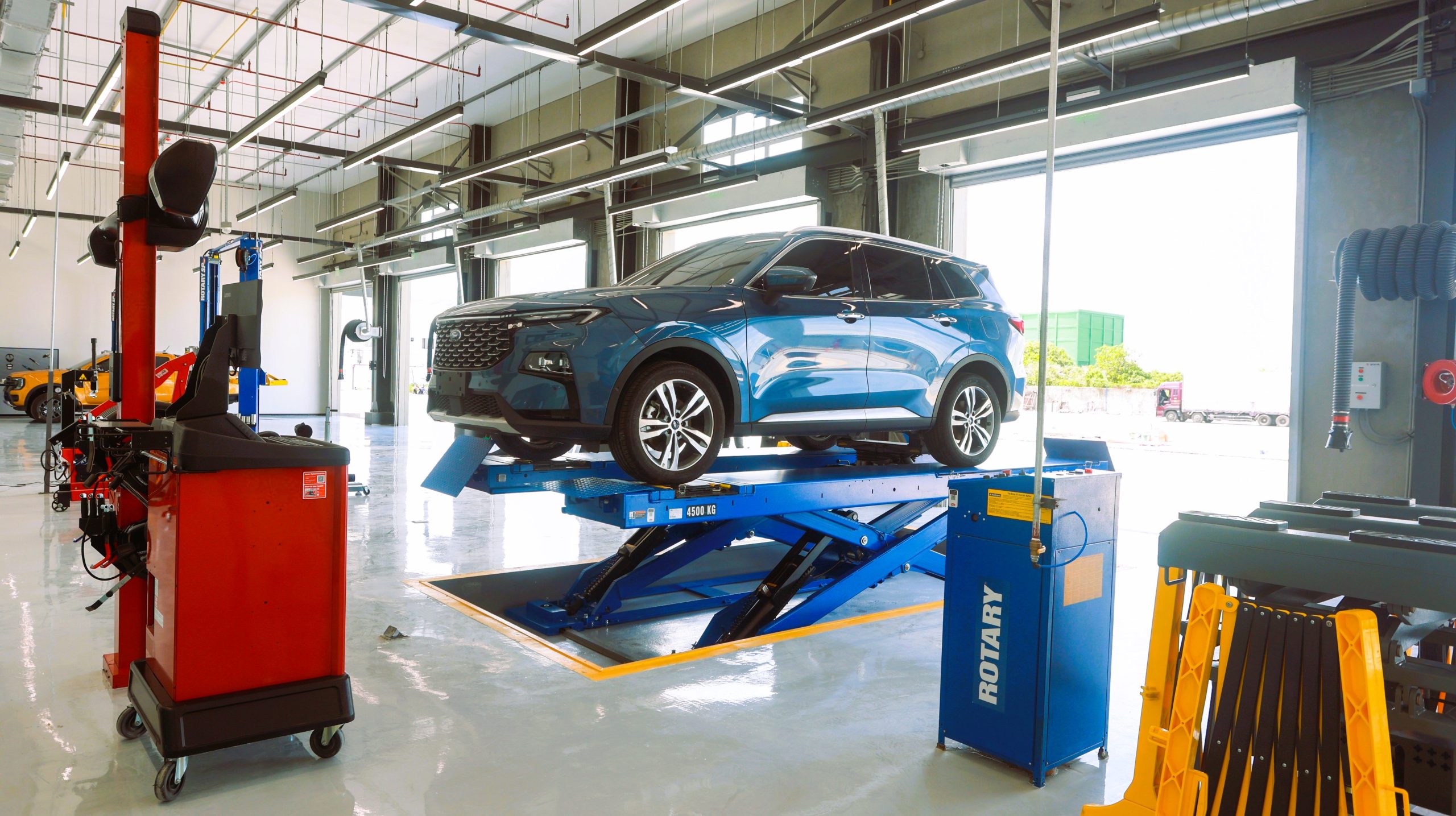
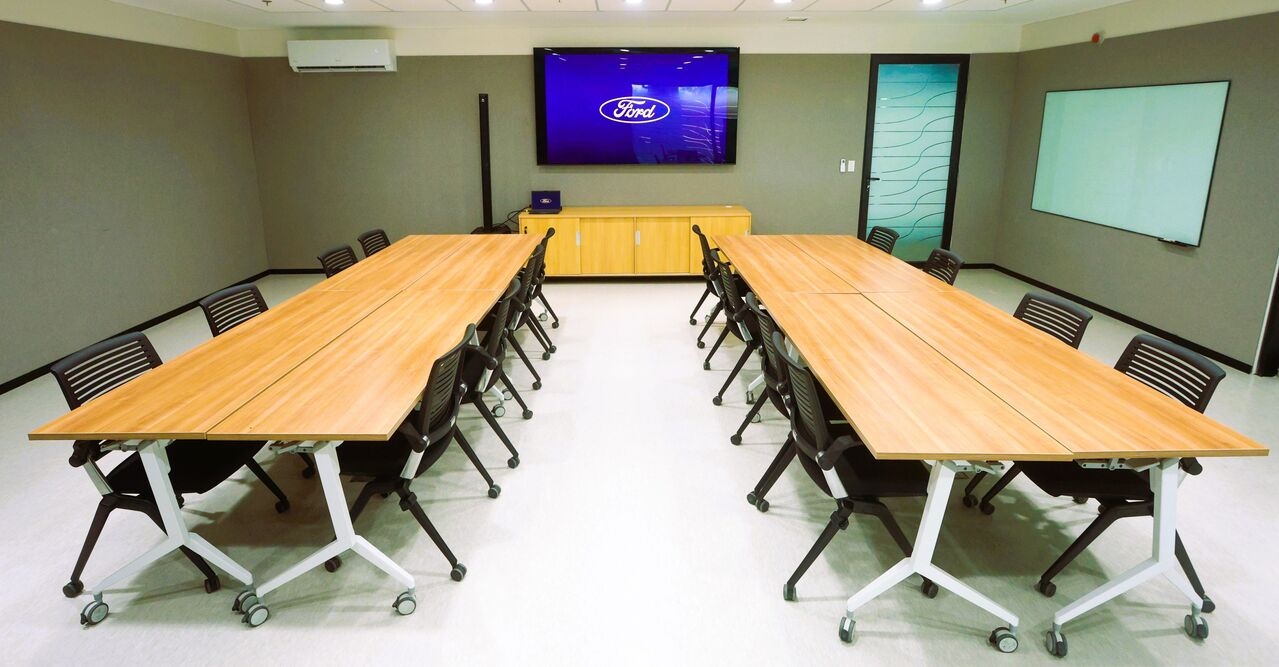
The facility houses a 451-sqm workshop equipped with 7 mechanical bays—including a specialized electric vehicle (EV) bay alongside two-post and four-post lifts—designed to support simultaneous hands-on training for internal combustion engines and electrified powertrains. It also integrates a 195-sqm showroom space for walkarounds and product training, four flexible classrooms with a combined capacity of over 100 participants, small-group coaching rooms, a 72-seat cafeteria, and administrative offices. The center complements the Ford Parts Distribution Center opened in Laguna in 2024 to support nationwide after-sales operations.
Ford Philippines managing director Pedro Simoes stated: “The opening of the Learning Center is not just about opening a new building; it is about building the future of Ford in the Philippines. It represents our strong commitment to this market—to our customers, our partners, and our people. At Ford, we believe that great vehicles are only part of the ownership journey. What truly makes the difference is the experience—how we support, serve, and care for our customers every day.”
Ford customer service division director Pushparaj Muthusamy added: “As vehicle technologies rapidly evolve—from advanced connectivity to sophisticated safety features and electrified systems—our dealership teams must be equipped with the highest level of technical mastery, product knowledge, and customer-handling skills. We are confident that this Ford Learning Center can help standardize, elevate, and future-proof our operational capabilities.”
Isuzu Heart and Smile Project Graduates 25th Scholar Batch
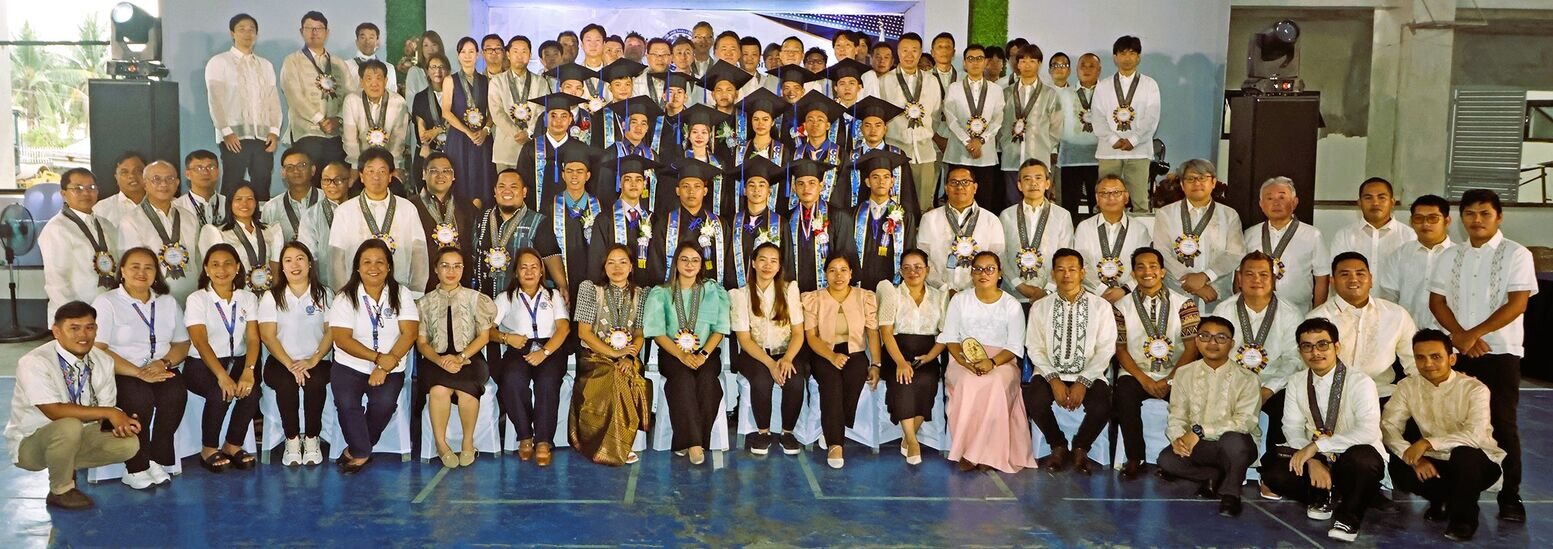
The Isuzu Heart and Smile Project (IHSP) celebrated the graduation of its 25th batch of scholars last July 2 at the Isuzu–Tesda Auto Mechanic Training Center in Tacloban City, Leyte. Established in 2008 as a joint initiative between Isuzu Motors Limited (IML), Tesda (Technical Education and Skills Development Authority), and World Vision, the full-scholarship program has transformed the lives of 473 underprivileged youth over its 18-year history by offering comprehensive vocational education.
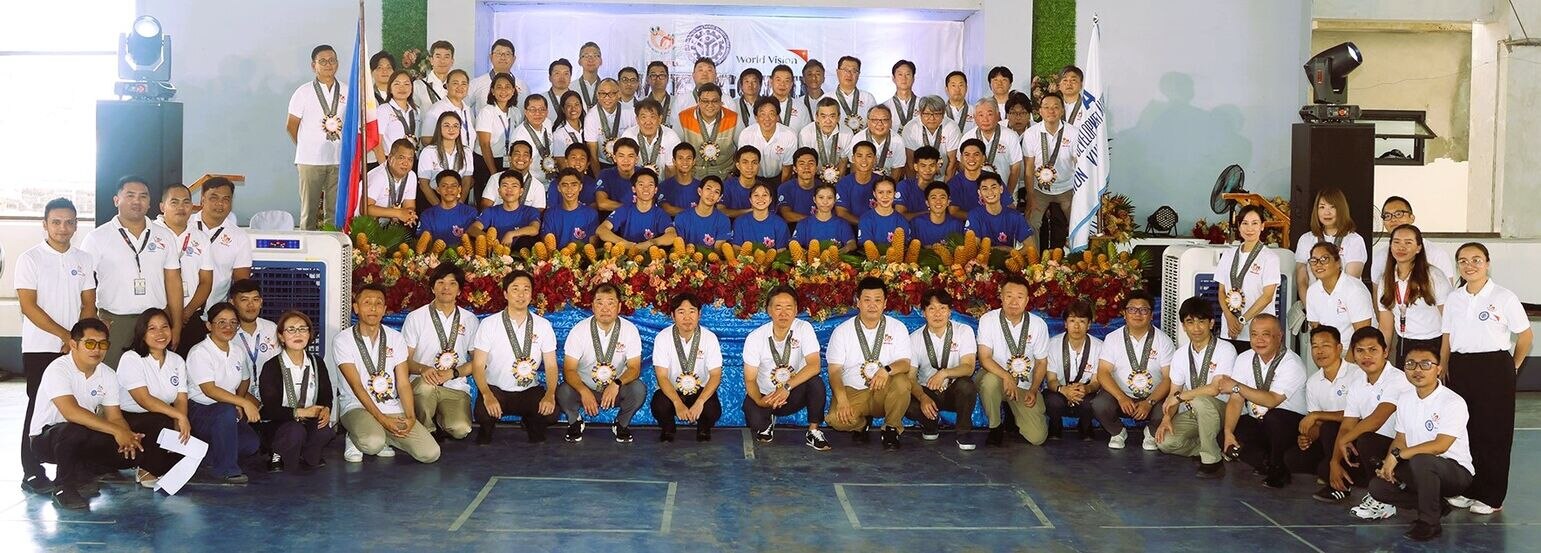
The graduating scholars completed a two-year Automotive Servicing Course and earned National Certificate (NC) IV credentials—Tesda’s highest certification level for the discipline. Alongside technical training in Isuzu diesel systems, the program emphasizes discipline, teamwork, and professional ethics, preparing graduates for careers in local dealerships, manufacturing plants, international firms, and independent automotive enterprises. During the ceremony, IHSP welcomed Batch 29, comprising 18 new scholars who will complete their training through 2028.
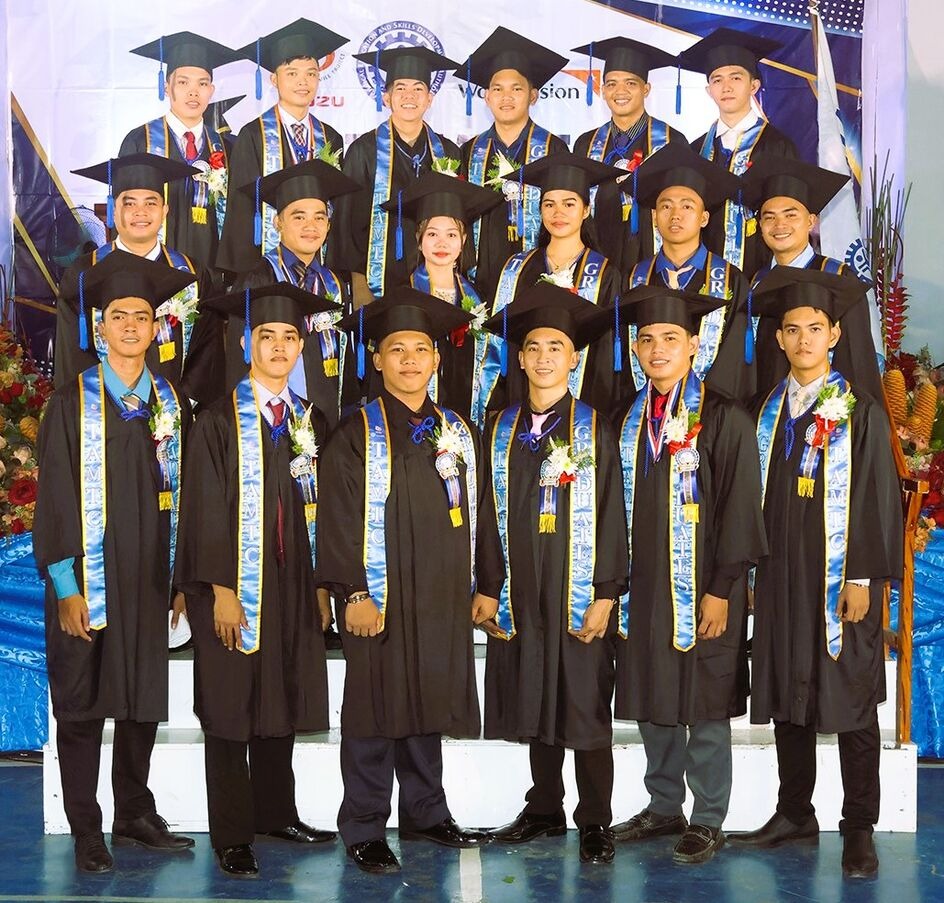
Isuzu Philippines Corp (IPC) president Mikio Tsukui addressed the graduates: “Today marks the beginning of a new chapter in your lives as working professionals. The companies that will welcome you undoubtedly have high expectations of you. With the technical skills, knowledge, and discipline you have acquired during the past two years, I am confident that you will be able to meet—and even exceed—those expectations.
“At Isuzu, being a responsible partner means investing in people and creating opportunities that last beyond the classroom. Seeing Batch 25 graduate reminds us that the true success of this program is measured not only by the number of scholars we have trained, but by the lives they have transformed, the families they now support, and the communities they continue to uplift. We are proud to support this meaningful partnership and remain committed to helping develop the next generation of skilled Filipino automotive professionals.
To learn more about the Isuzu Heart and Smile program, visit isuzuphil.com/news.
UP Diliman biology students blend science with art
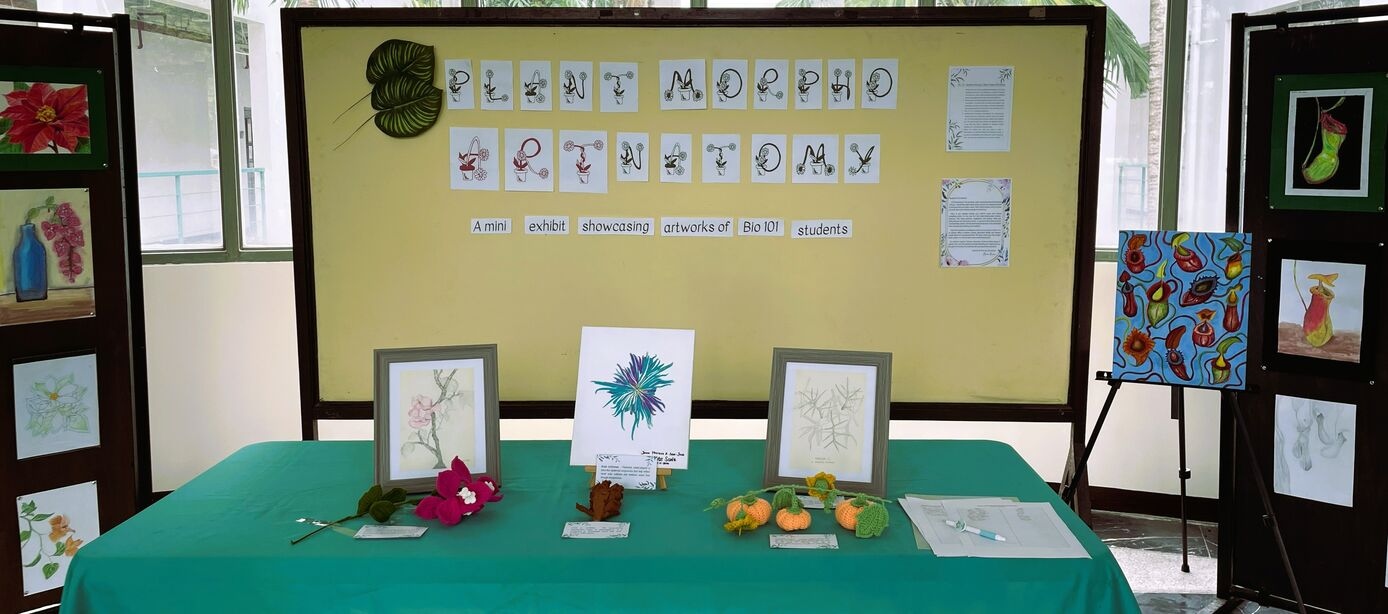
The Institute of Biology (IB) at the University of the Philippines Diliman-College of Science (UPD-CS) hosted the “Plant Morpho-ARTnatomy” mini exhibition, featuring creative botanical studies rendered by Biology 101 students. Concluding its public run last July 24, the exhibition displayed artworks depicting plant morphology and microscopic anatomical structures using diverse media, including watercolor, charcoal, acrylic, oil, pastel, clay, 3D models, and crochet.
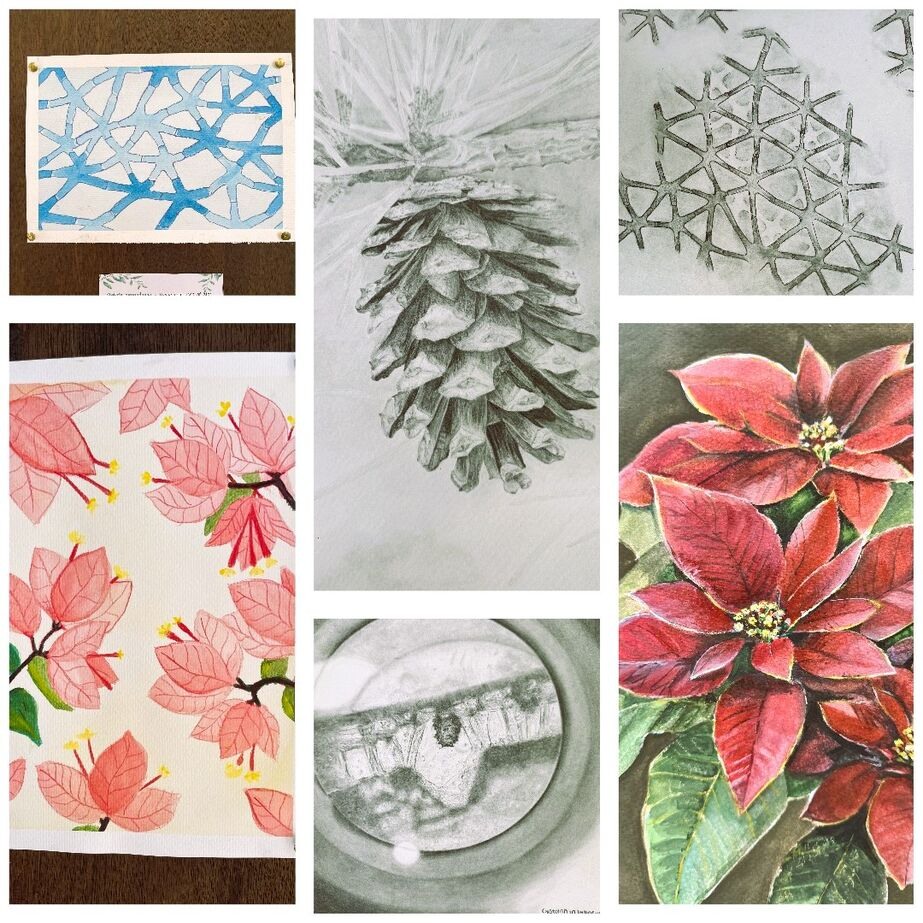
Initiated by Biology 101 faculty-in-charge Dr. Erika Marie Bascos, the initiative encouraged students to translate mandatory laboratory drawing plates—such as observations of ferns, pitcher plants, plant crystals, and specialized tissues like banana leaf stellate aerenchyma—into expressive artistic formats. Participating students gained bonus academic points while exploring potential applications in scientific illustration.
Bascos said: “During the pandemic, my kids encouraged me to start painting. I found it relaxing and helpful for anxiety, and it came naturally to me given my background in teaching drawing-based courses. I was surprised that so many students submitted, and that they each had different styles—some were crocheting, others made 3D works, and some used clay. What stood out to me was how patient they were. One student even said, ‘Ma’am, I can’t do it,’ but in the end, his work turned out to be one of the best.
“Some of them may also want to become scientific illustrators. That would be great because they already have a background in art, and they understand morphology and anatomy as students of biology. What they produced was more than just artwork—it was proof that science and art can beautifully coexist.”
Participating student Janine Patricia Omalin commented on her drawing of Pinus echinata:
“I’ve been drawing ever since I was a kid. I made it during my break.”
First-time painter Althea Bernice Javier, who painted stellate aerenchyma tissue, added:
“It’s my first time painting. I used to draw before, but this is my first time to paint. It was good to have the experience.” (Story courtesy of Eunice Jean C. Patron/UPD-CS Science Communications)