
By Aries B. Espinosa
They say oil is thicker than water. And that has been proven many times over in massive oil spills on the world’s oceans. But now, with the global rise of electrified transport, there’s also a new saying: A wounded, caged Li-ion roars louder and deadlier at sea.
Electrified transport has lately been encountering complex infrastructure and safety challenges—including that nightmare scenario where hundreds of people are trapped at sea, on a ship where an electric vehicle’s lithium-ion battery is on fire. And we already know how an EV on thermal runaway looks like. A ship’s fire extinguisher alone can’t put it out. And it burns so hot—up to over 1,000 degrees Celsius—far more intense than an ordinary gasoline-fed fire (which burns at 815 degrees C), that it will easily ignite other vehicles parked beside or near it.
When that happens inside the cramped confines of a roll-on, roll-off ship (RoRo), that vessel is in serious trouble. A thermal runaway is a self-sustaining, high-intensity chemical reaction that is notoriously difficult to extinguish with conventional marine firefighting equipment. Thus, the ship’s crew is left with very little margin for error in managing and containing a fire of such nature.
The MV June Aster incident
Maritime safety alarms were sounded across the Philippines following a tragic disaster involving the RoRo vessel MV June Aster off the coast of Coron, Palawan last Sept. 9. The incident resulted in significant casualties (77 killed, 12 still missing) and prompted intense scrutiny from maritime authorities, safety investigators, and transport operators.
Early findings and preliminary safety investigations indicated that an electric vehicle being transported onboard may have been the source of the sudden explosion and subsequent fire. Though the official cause of the explosion and the subsequent fire is yet to be determined, the incident exposed critical vulnerabilities in current inter-island car-deck safety protocols.
In swift reaction to the tragedy, Montenegro Shipping Lines Inc (MSLI) issued an immediate, company-wide memorandum on Sept. 16, barring all electric and hybrid vehicles from boarding any of its RoRo vessels and fast crafts nationwide, establishing an aggressive provisional ban to safeguard passengers and crew while formal investigations continue. (Editor’s note: Starhorse Shipping Lines and Island Water of Shogun Ships Co Inc have also temporarily banned BEVs and hybrids on board their vessels)
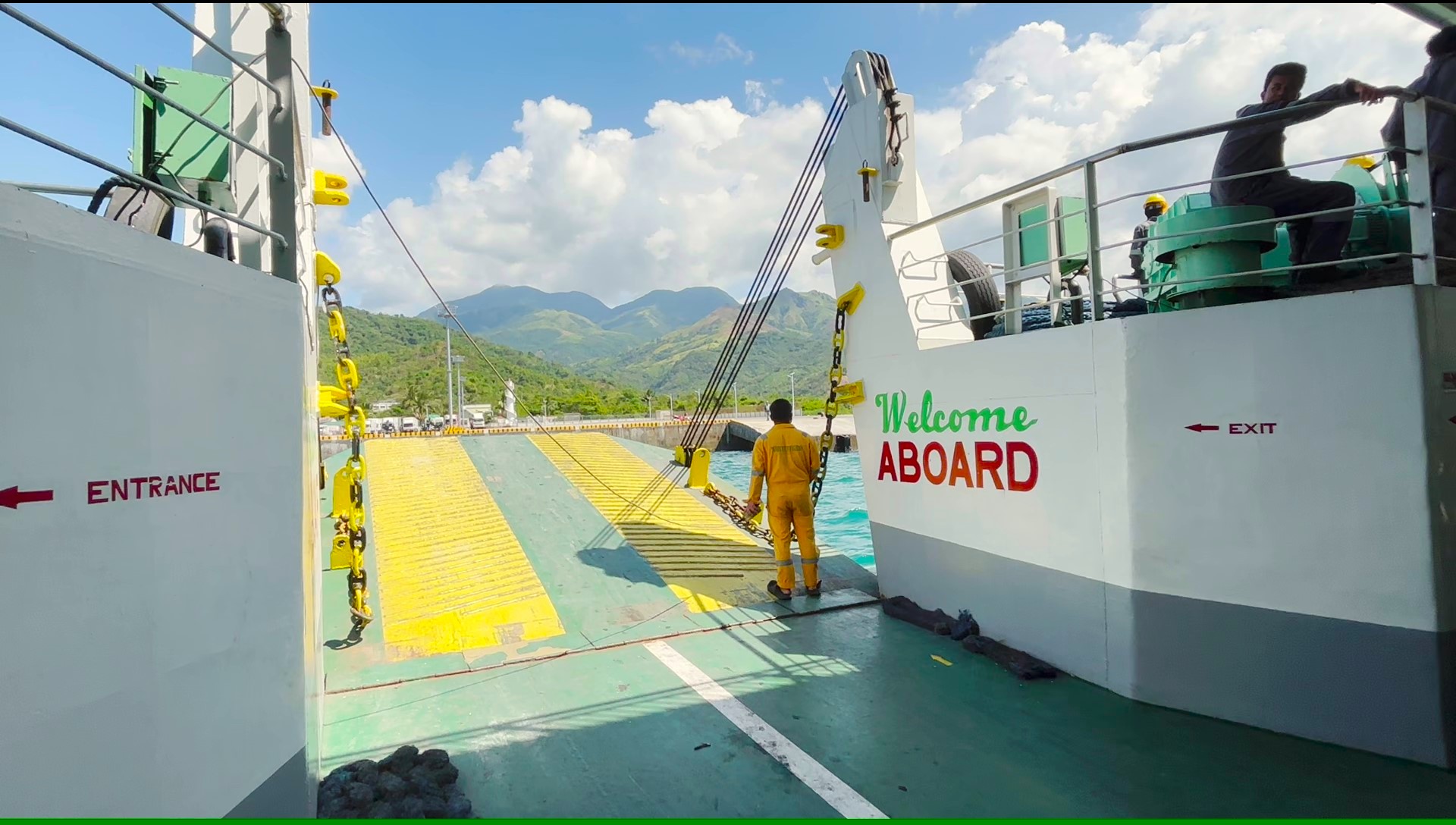
Vehicle fires on RoRos aren’t new. What sets the MV June Aster incident apart is that it’s the first major high-profile disaster in the country where electrified vehicle technology has been directly implicated at the center of a catastrophic fire investigation. This has created an urgent imperative for domestic shipping lines, port authorities, and regulatory bodies to re-evaluate whether existing safety standards—many of which were drafted decades before mass-market EVs existed—are equipped for the modern e-mobility era.
The Felicity Ace disaster
The safety dilemmas facing Philippine waters mirror a broader global reckoning within the maritime and logistics sectors. Among the most high-profile international incidents is the burning and subsequent sinking of a large car carrier ship called Felicity Ace.
The high-profile burning and subsequent sinking of the Felicity Ace in the Atlantic Ocean on March 1, 2022, which carried up to 4,000 luxury vehicles including electric models with lithium-ion batteries, vividly demonstrated the extreme firefighting challenges posed by battery fires in mid-ocean environments. Fortunately, all 22 of the ship’s crew were rescued.
In response to mounting risks, several international maritime operators have enacted strict limitations. For instance, Norway’s Havila Kystruten explicitly banned electric, hybrid, and hydrogen cars on its coastal cruise-ferry routes after comprehensive external risk analyses concluded that conventional onboard firefighting systems could not safely contain an intense battery thermal runaway in confined sea spaces. Similarly, major ocean transport provider Matson suspended the acceptance of certain new and used electric vehicles across Pacific shipping lanes.
The workaround
Rather than relying indefinitely on outright bans, many international maritime operators, port authorities, and safety agencies have pioneered practical engineering and operational solutions to mitigate EV transport risks:
State-of-charge (SoC) restrictions: Many ferry operators now mandate that electric and hybrid vehicles maintain a lower battery charge threshold (typically restricted between 30% and 40% SoC) before boarding. Lowering the energy state substantially reduces the intensity and explosive potential of a potential thermal runaway event.
Specialized fire suppression and blankets: Forward-thinking operators equip car decks with advanced thermal fire blankets (such as Fire Cloak or Fire Isolator systems) capable of withstanding extreme temperatures, starving the fire of oxygen, and containing toxic smoke. Specialized misting lances and localized aerosol units are also being deployed to target battery-chemical reactions directly.
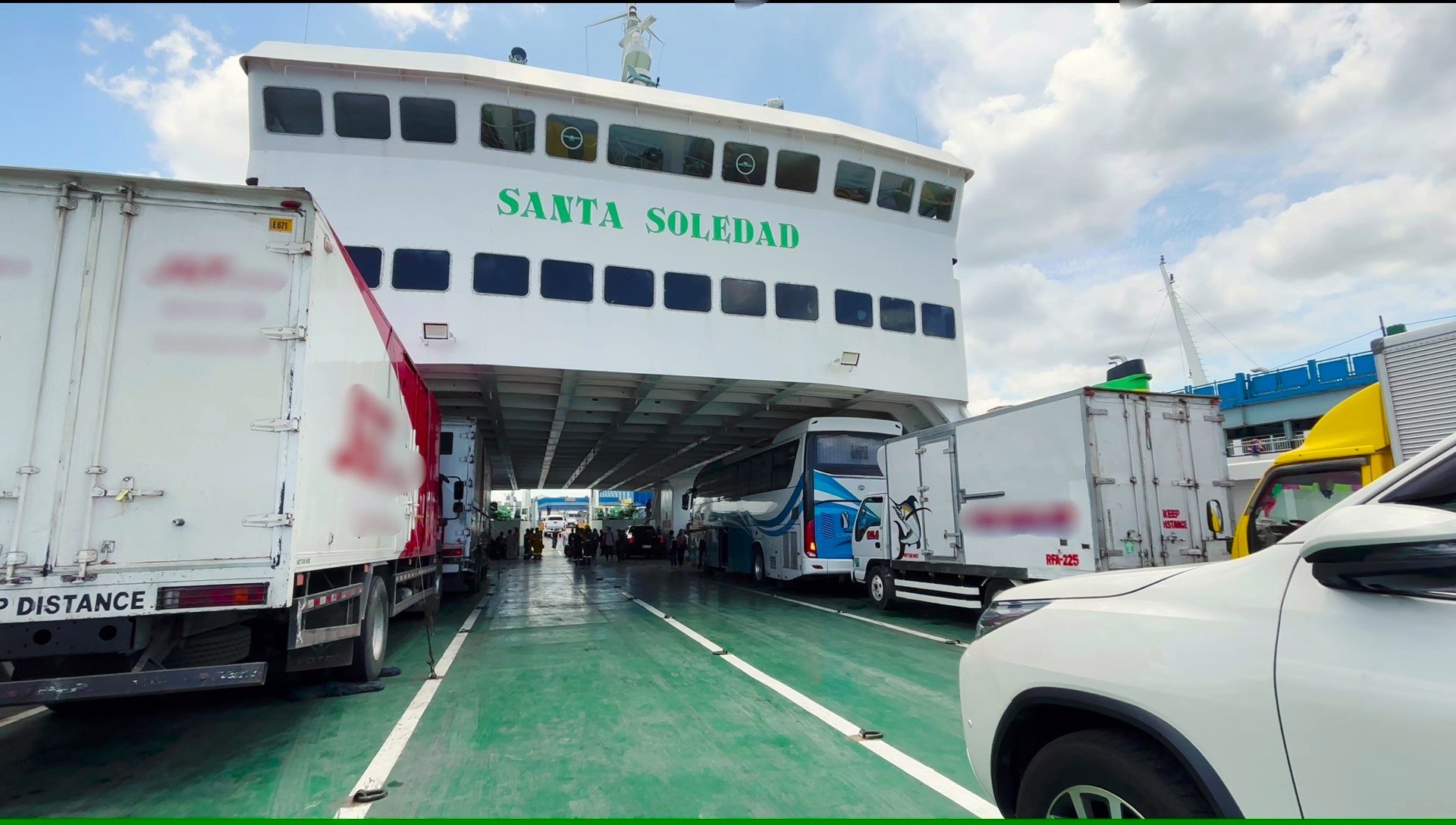
Strategic deck placement: Mandating dedicated, well-spaced parking lanes for alternative-fuel vehicles ensures increased physical distance from traditional internal combustion engine vehicles, preventing fire propagation across crowded car decks while maintaining quick crew access for emergency offloading.
What measures could suit the PH setting?
Addressing the crisis requires a balanced, science-based approach that protects human lives without permanently halting the nation’s transition toward sustainable transport. This balanced perspective is strongly echoed by the Philippine government, as stated by Department of Energy Secretary Sharon S. Garin on Sept. 17:
“Safety must come first. We want Filipinos to trust that riding a ferry with an electric vehicle is just as safe as riding with any other vehicle. We are working closely with the Bureau of Fire Protection and Marina to get the standards right, standards that protect our passengers and our vessels while still allowing electric mobility to grow.”
The DOE statement also recognized Montenegro Lines’ temporary restriction as a prudent preliminary step while broader safety standards are formulated. Crucially, the DOE—operating through its Electric Vehicle Industry Management Division—is actively collaborating with the Maritime Industry Authority (Marina), the Bureau of Fire Protection (BFP), and the Philippine Coast Guard (PCG) to draft comprehensive, standardized protocols.
We at TessDrive believe that EVs remain generally safe for inter-island transport, if you look at the millions upon millions of EVs that have been shipped on marine vessels to all the continents over the years, without incident. The rapid rate of battery developments will make new-energy vehicle technologies even safer, more stable and more reliable in the near future. To align with international best practices, Philippine regulatory bodies and RoRo operators should immediately adopt the following framework:
Standardized pre-boarding inspections: Mandate rigorous checks at ports to verify battery health, screen for physical underbody damage, and enforce strict State-of-charge (SoC) limits (e.g., maximum 40% charge) before any EV enters a vessel ramp;
Mandatory safety gear on vessels: Require inter-island RoRo operators to procure and maintain certified EV fire blankets and localized chemical suppression systems on all car decks;
Dedicated car-deck zoning: Establish designated, easily accessible parking zones equipped with enhanced ventilation and thermal monitoring to isolate alternative-fuel vehicles during transit.
Such measures need to be enforced now, because transport electrification is radiating outward, from the country’s urban centers to the provinces. EV adoption is no longer an isolated urban phenomenon—it is a mainstream consumer reality. Motorists driving battery-electric and hybrid vehicles increasingly demand seamless inter-island travel capabilities for tourism, business, and relocation. And pretty soon, new-energy mass-transport vehicles such as e-buses may ply the inter-island routes, as well.
Indefinite, blanket bans by individual shipping lines threaten to fracture the country’s interconnected transport grid and stifle the national e-mobility momentum. As highlighted by the DOE, the ultimate solution lies not in prohibition, but in establishing clear, science-based, and uniform requirements. By rapidly modernizing maritime safety codes and deploying proven international mitigation techniques, the Philippines can ensure that Filipino passengers, motorists, and the growing fleet of clean transport vehicles can travel safely and with total confidence across the archipelago.
References and source documents in this article include the International Maritime Organization (IMO)/European Maritime Safety Agency (EMSA). Guidelines on the Carriage of Alternative-Fuel Vehicles (AFVs) in RoRo Spaces (https://www.emsa.europa.eu/afv/afv.html)