
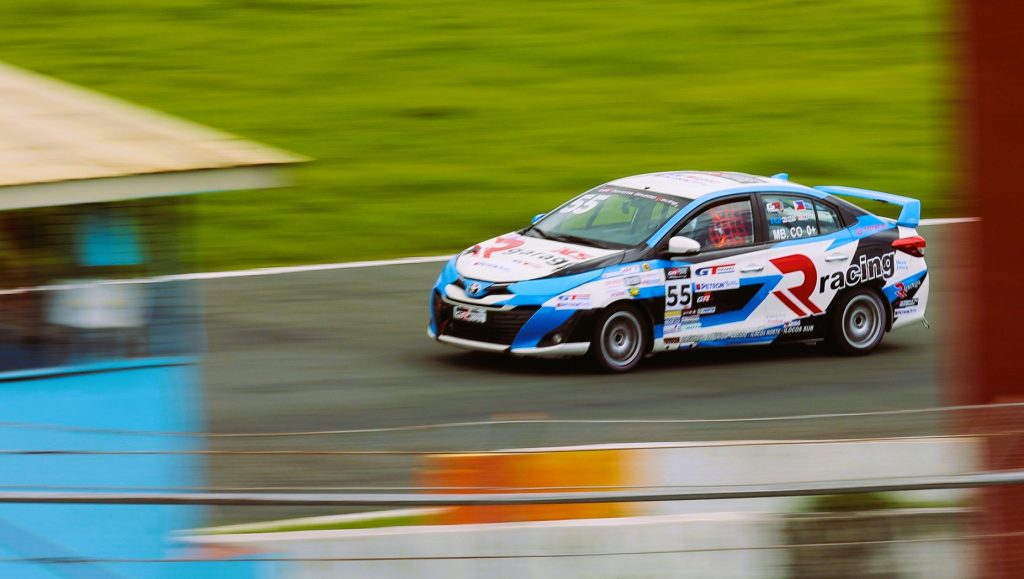
A major motorsport event in the Philippines has officially broken away from its traditional carbon-heavy legacy, transitioning into an extreme testing arena for alternative energy. The recently concluded Race Weekend 2 of the Toyota Gazoo Racing (TGR) Philippine Cup, held from July 9 to 11, 2026, at the Clark International Speedway in Mabalacat, Pampanga, marked a historic milestone as the first major domestic motorsport event to openly run its entire fleet on advanced bioethanol and coco-biodiesel blends.
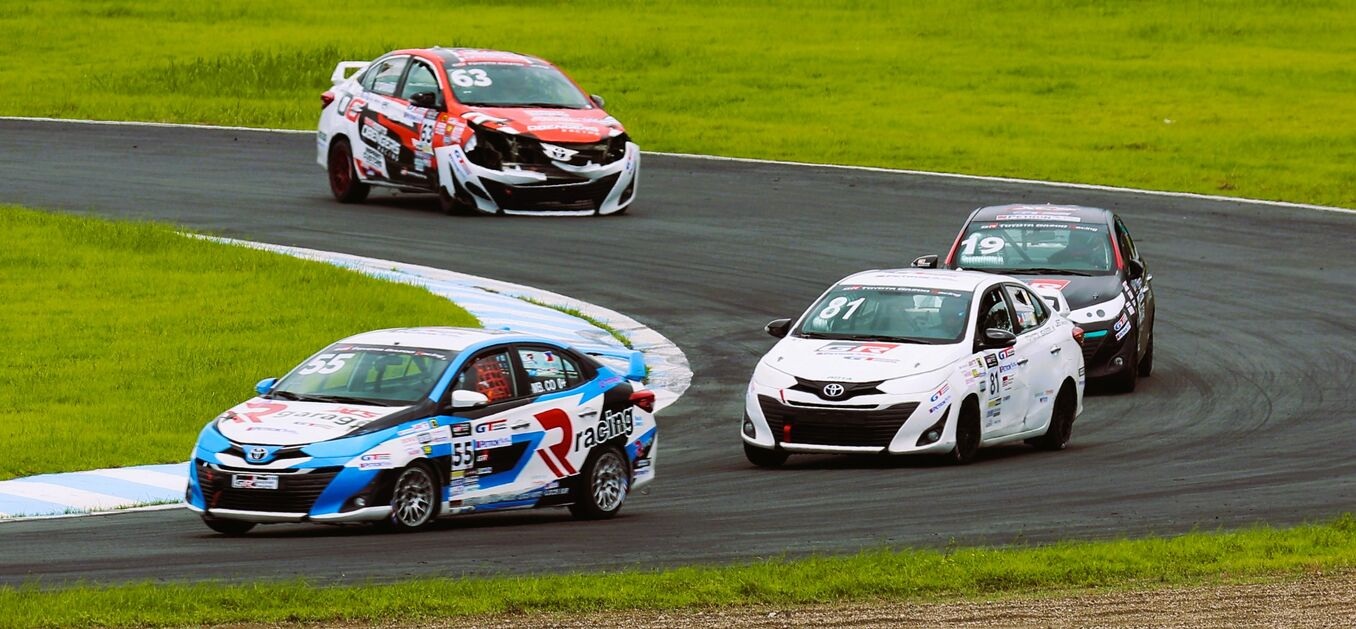
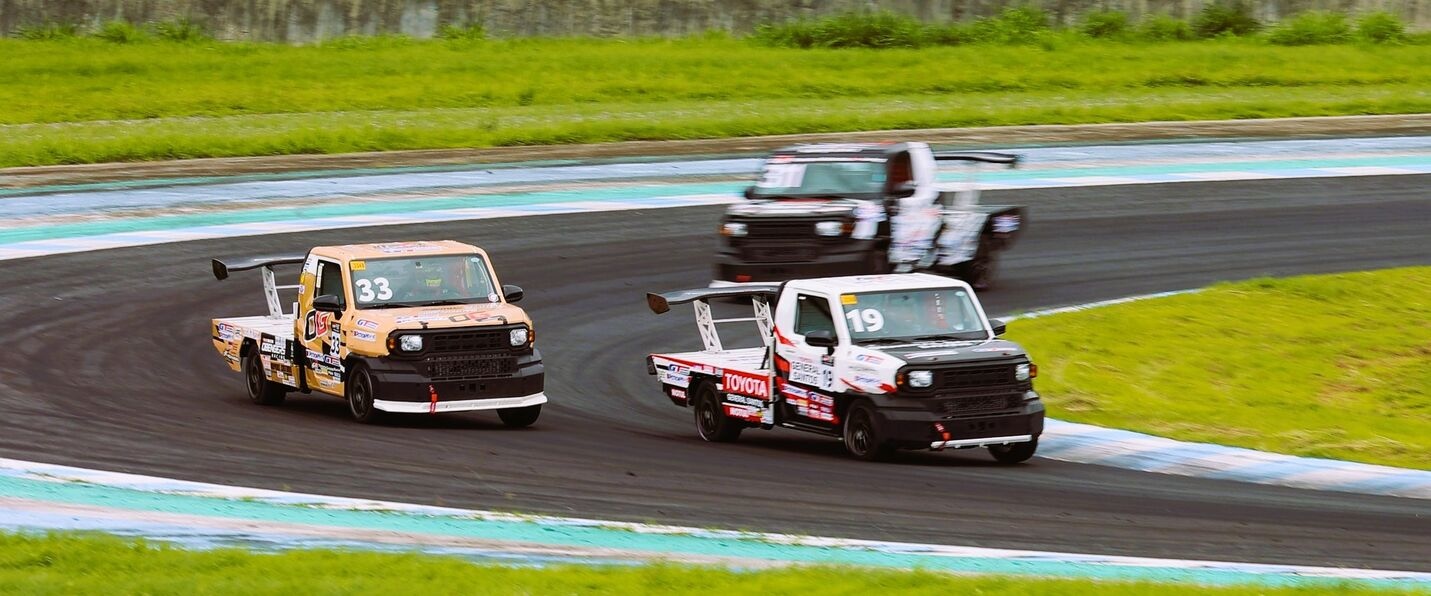
Serving as a high-velocity “rolling laboratory,” the event saw Toyota Motor Philippines (TMP) deploy mixed blends of 2,000 liters of gasoline for its One-Make Race (OMR) Vios and OMR Tamaraw (gas engine variant) and 2,000 liters of diesel for OMR Tamaraw (diesel variant) to power competitive fields of racers. The specialized fuel batches were pre-mixed and distributed across the grids, ensuring that the entire weekend’s practices, qualifying sessions, and core races were executed entirely on low-carbon alternative fuels. The Vios OMR cars and Tamaraw OMR (gas engines) strictly utilized the 20% bioethanol blend (E20), while the newly debuted OMR Tamaraw utility racers (diesel variants) pushed their limits using the 5% coco-biodiesel blend (B5).
From pumps to alternative fuel
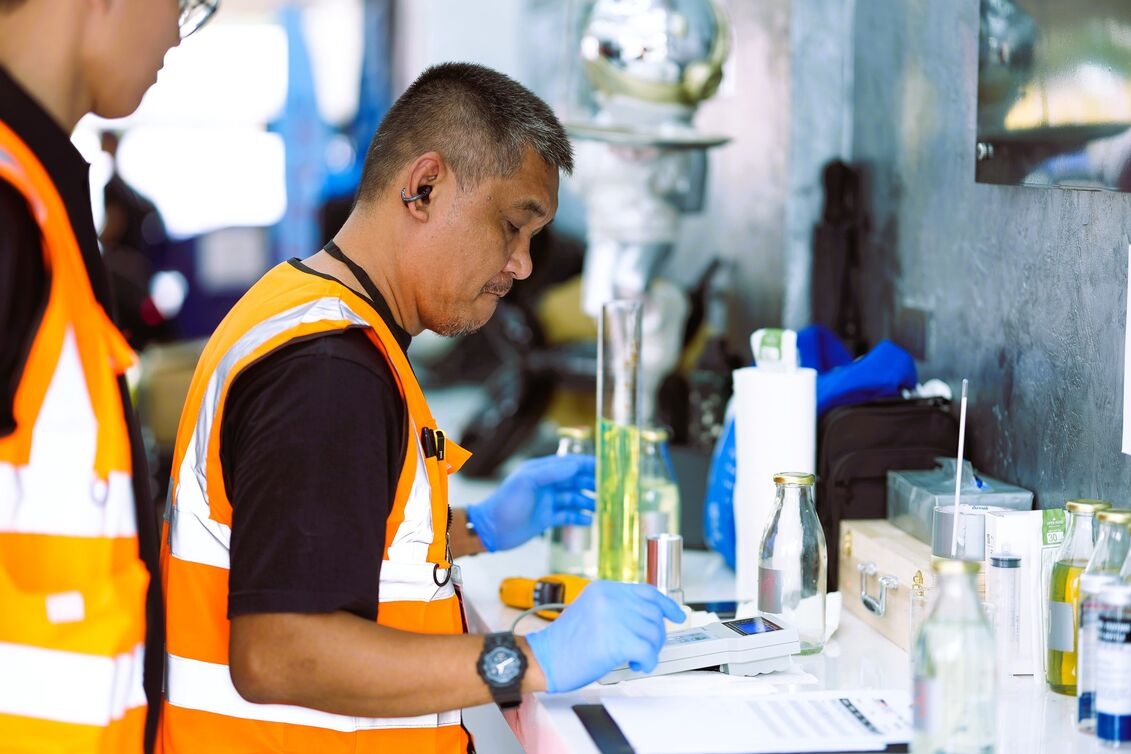
The mechanical transition from pump fuel to high-blend alternative fuels proved surprisingly seamless, showcasing the immediate real-world capability of these green alternatives. TMP Technical Services Manager Charlie Osea explained that the modern vehicles required zero structural modifications to adapt to the alternative fuels. The onboard Electronic Control Unit (ECU) dynamically recalibrates combustion parameters via the internal air-fuel ratio sensor, altering fuel injection ratios on the fly to compensate for the higher oxygen content of the blends.
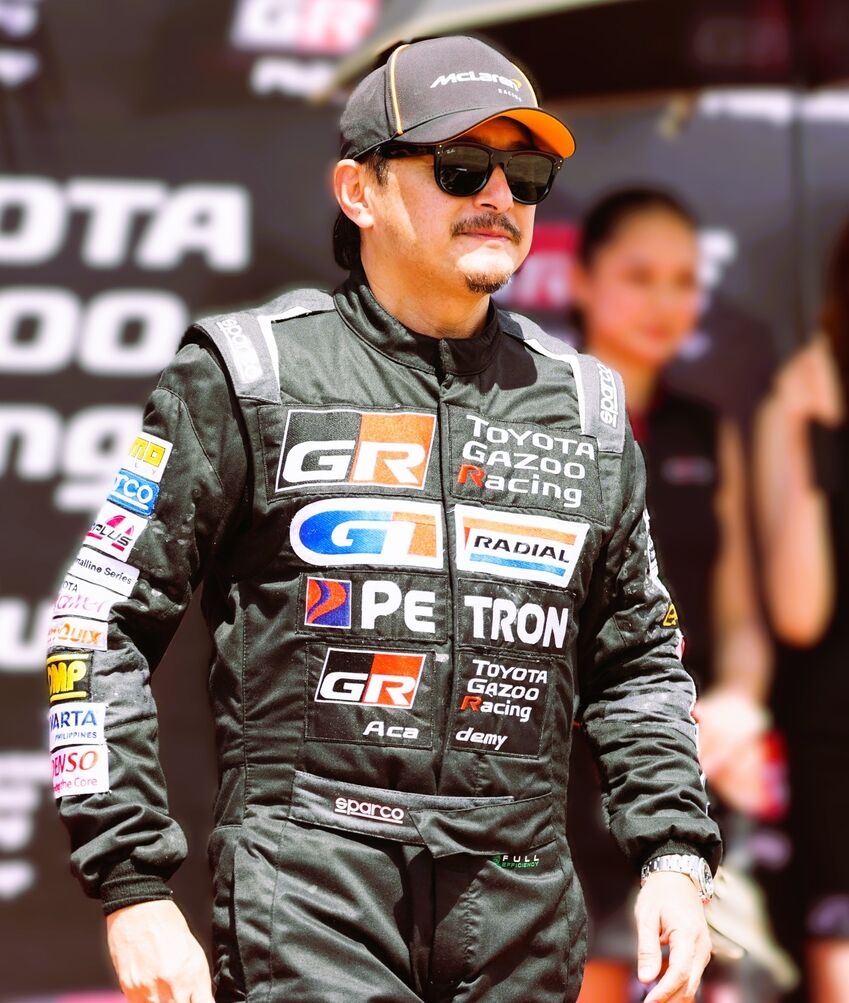
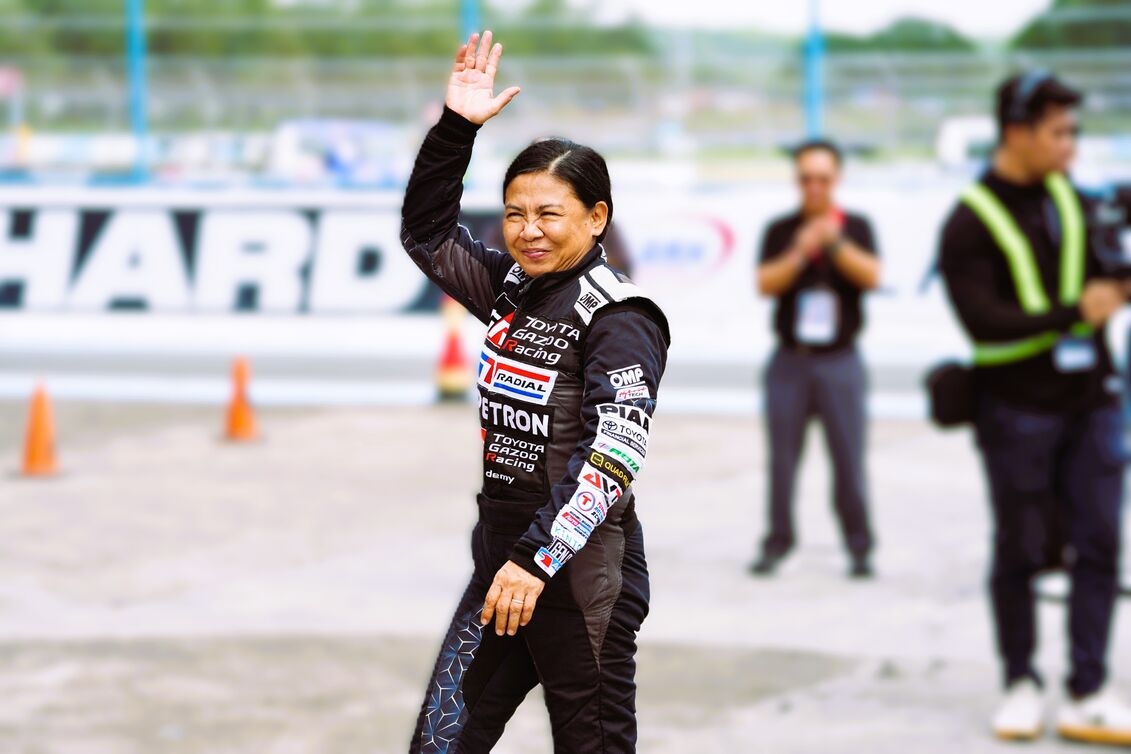
“Testing biofuels in motorsports allows us to evaluate performance, efficiency, and reliability in high-demand environments, so this will be a pivotal moment for the wider adoption of low-carbon biofuels in the Philippines,” stated TMP first vice president for vehicle sales operations Elijah Marcial.
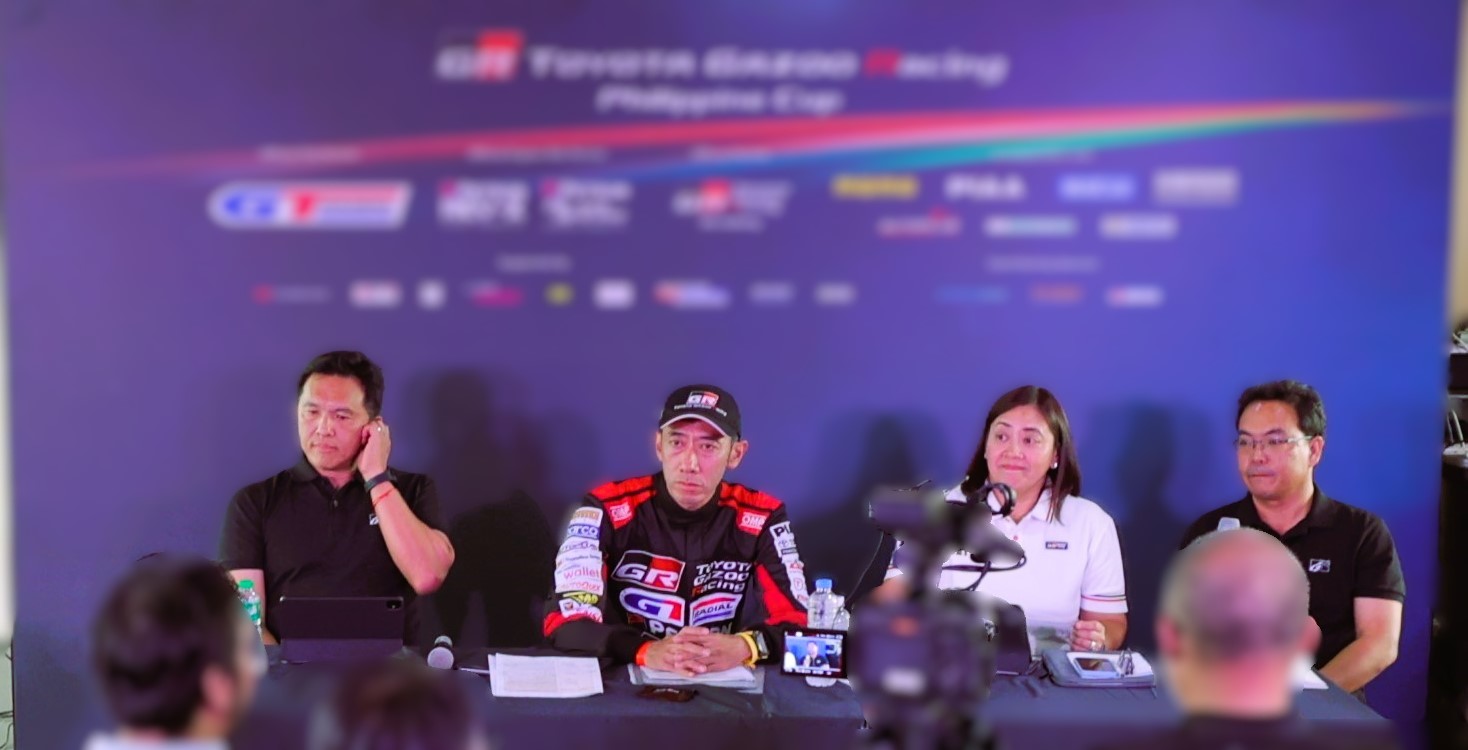
Reducing C02 emissions
Philippine Coconut Authority CEO and Administrator Dexter Buted said that coco-methyl ester (CME) is “our contribution to the Clean Air Act … reducing carbon dioxide emissions. That’s (also) our contribution to the United Nations Sustainable Development Goals (SDGs).”
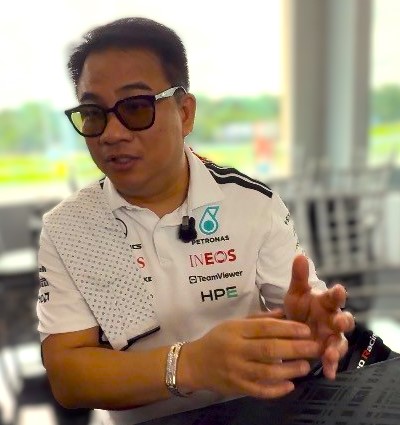
Dexter Buted
He added, “We need to be environmentalists. We need to take action now; we can’t delay it any longer. That’s why we are pushing a lot of programs for this. People say there are no stocks, but we will provide the stocks. That’s why we are asking the government to fund our projects. While we are planting, we are also fertilizing, because coconuts have so many uses.”
“Everything can be used—for food, non-food, and this bio-blend. Sustainable aviation fuel is also coming. That’s our direction, coming from CME. This is the first motorsport event in the Philippines that will use it. Toyota is now very active in supporting bio-blends, and they are demonstrating that we should venture in that direction. Other countries like Indonesia and Malaysia are already at B20 or B40. So, we are lagging behind in biodiesel. But they are using palm oil, whereas we use coconut oil because we don’t have as much palm oil. Coconut is still our primary palm source.”
Race track performance
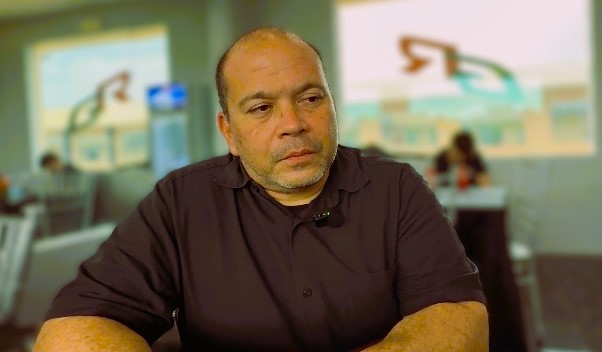
This high-performance adaptability was immediately validated on the asphalt. The Sugar Regulatory Administration’s Administrator Pablo Luis Azcona, who also drove at the Clark International Speedway during the July 10 TGR Ph Cup hot laps, said that drivers felt no drop in performance, with the track data demonstrating that the E20 bioethanol blend functioned as an exceptional octane booster that enhanced engine response under extreme racing stress. Similarly, the rugged Tamaraw utility racers proved that the B5 coco-biodiesel blend maintained full mechanical reliability without any adverse effects on the fuel system under prolonged, heavy-throttle conditions.
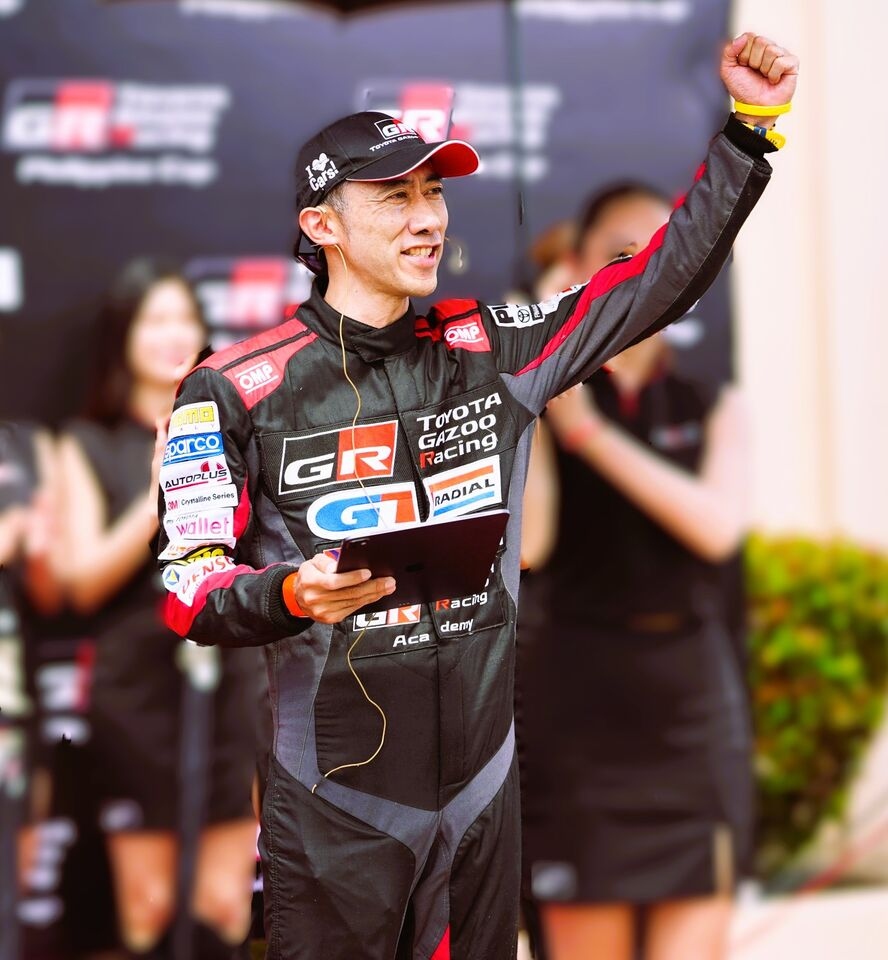
The track validation strongly reinforces a broader government push toward immediate transport sustainability. Following recent high-level dialogues between Department of Energy (DOE) Secretary Sharon S. Garin and TMP president Masando Hashimoto, both entities recognized that scaling up fuel flexibility is a practical, immediate pathway to bolster national energy security without waiting decades for absolute fleet electrification. Currently, all of Toyota’s local diesel variants are completely B5 compatible, while three-quarters of all Toyota and Lexus gasoline models can comfortably ingest E20 blends right out of the showroom. For TMP, the motorsport initiative represents a holistic, multi-pathway strategy aimed at securing absolute carbon neutrality. “We need three wins,” summarized TMP President Masando Hashimoto. “A win for fuel, a win for farmers, and a win for cars. A win-win-win situation which we need to realize soon.” By proving that agricultural fuels can help dominate the race track, the TGR Philippine Cup has delivered another pathway for the future of everyday Filipino mobility.
To know more about biofuels in the Philippines, click this link: https://webfs.oecd.org/TADWEB/agriculture/data/AMIS/Indicators/Sources/www.doe.gov.ph_doe_files_pdf_Issuances_DC_DC_2007-05-0006.pdf